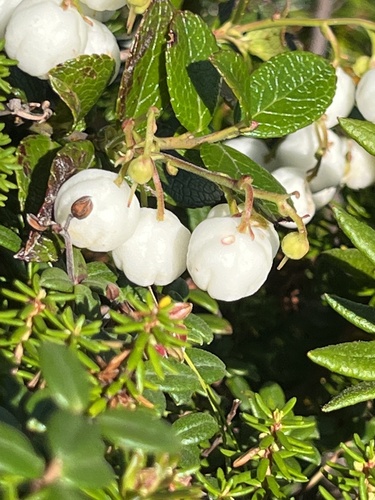
Vaccinium crenatum
(D.Don ex Dunal) Sleumer
iNaturalist· cc-by-nc
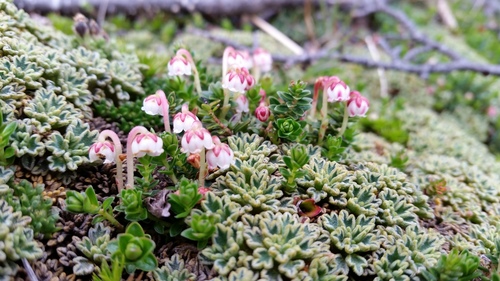
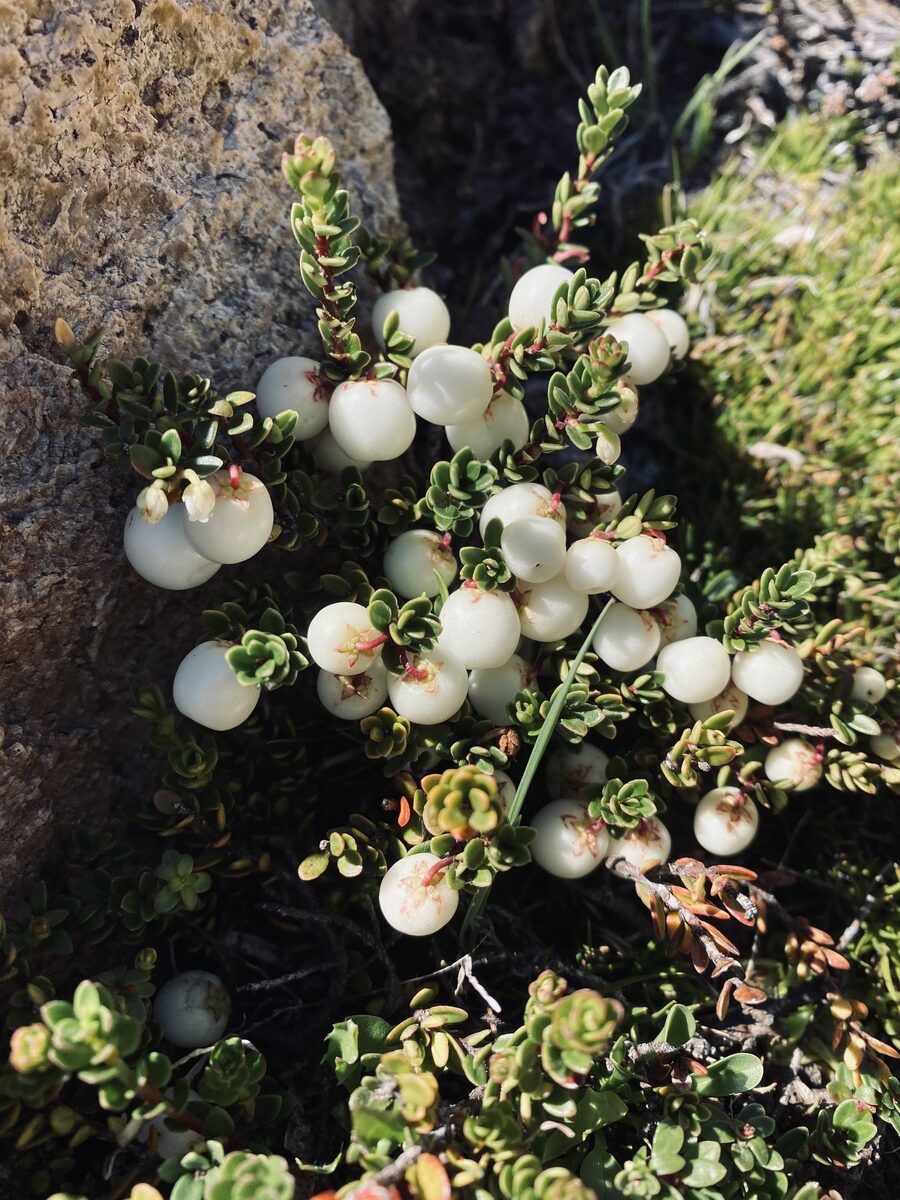
(c) Angel Mario Hualpa Erazo, some rights reserved (CC BY-NC), uploaded by Angel Mario Hualpa Erazo
iNaturalist· cc-by-nc
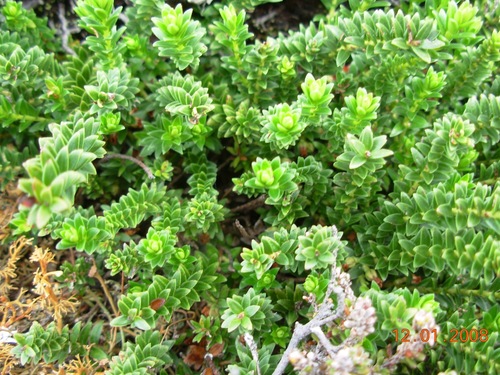
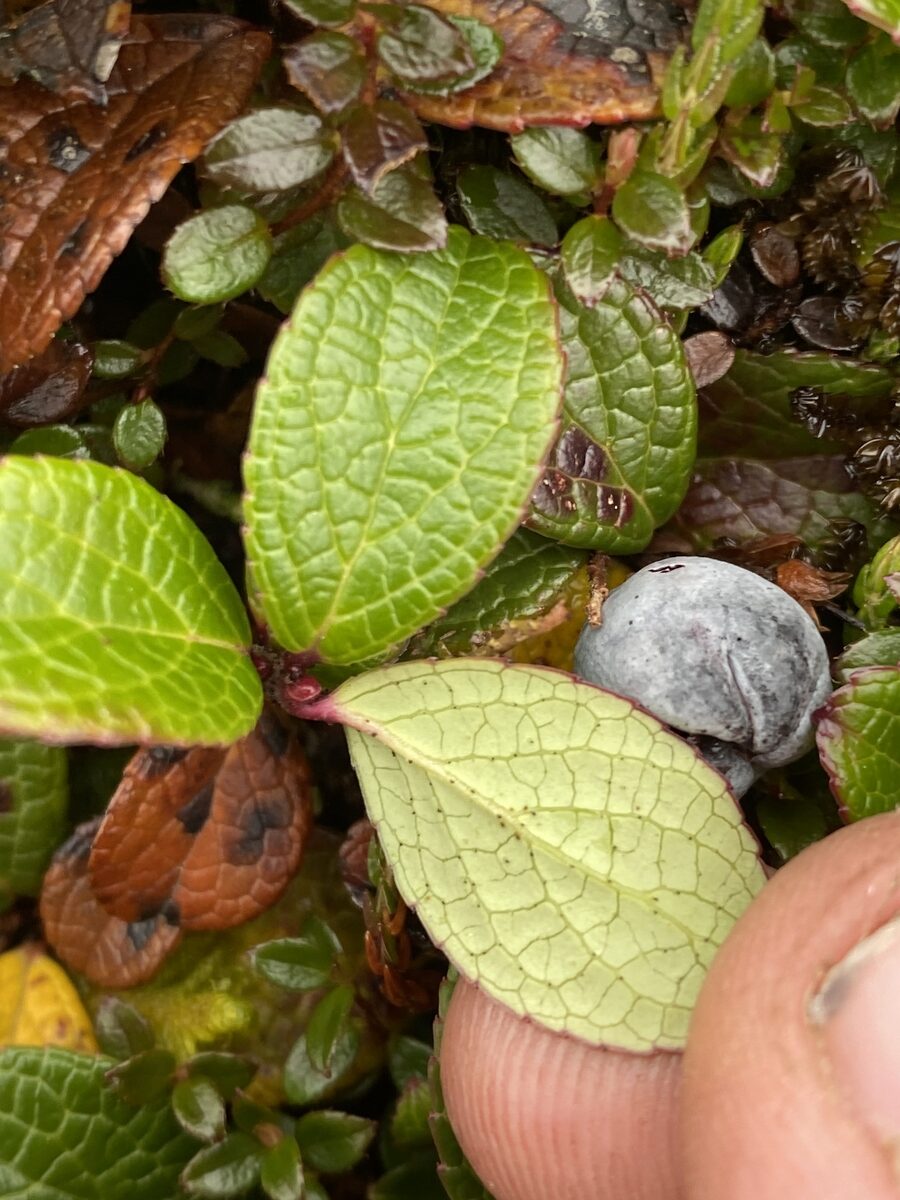
(c) Nick Moore, some rights reserved (CC BY-NC)
Description
A shrub of the Ericaceae family found in tropical alpine forests at elevations up to 4,350 m, producing edible fruit.
This description is brief — help expand it
Edible Uses
The fruit are eaten raw.
Traditional Uses
The fruit are eaten raw.
This uses section is brief — help expand it
Distribution
It is a tropical plant. It grows in alpine forests to 4,350 m above sea level.
Where It Grows
Colombia, Ecuador, Peru, South America*, Venezuela,
Dangerous Lookalikes
This plant can be confused with the following toxic species. Always verify identification carefully before consuming any wild plant.
Deadly Nightshade
Atropa belladonna
Joan Simon from Barcelona, España
Vaccinium crenatum
Vaccinium crenatum
(c) Angel Mario Hualpa Erazo, some rights reserved (CC BY-NC), uploaded by Angel Mario Hualpa Erazo
Deadly Nightshade: Tall herbaceous plant (1-2m), single shiny black cherry-sized berries, star-shaped calyx, large oval leaves, sweet but dangerous taste.
Vaccinium crenatum: Low woody shrub, berries in clusters with crown/remnant calyx ring, sweet taste.
Also Known As
Anisillo de monte, Chirimote, Joyapa chaucha, Manzana rastrera, Urcu mote
References (3)
- Kermath, B. M., et al, 2014, Food Plants in the Americas: A survey of the domesticated, cultivated and wild plants used for Human food in North, Central and South America and the Caribbean. On line draft. p 893
- Torre, de la, L., et al, 2008, Enciclopedia de las Plantas Útiles del Ecuador. Herbario QCA. Pontificia Universidad Católica del Ecuador. p 315
- Van den Eynden, V., et al, 2003, Wild Foods from South Ecuador. Economic Botany 57(4): 576-603