Vaccinium corymbosum x V. darrowi
Southern highbush blueberry
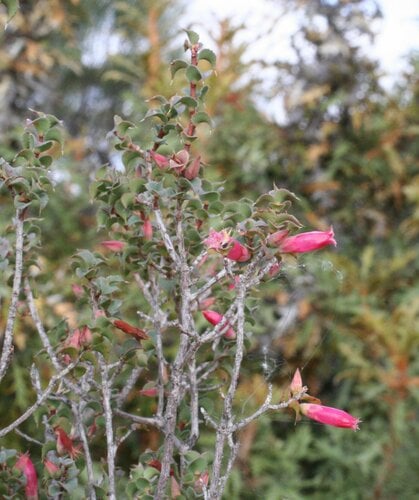
iNaturalist· cc-by-nc-nd
(c) mamiles, some rights reserved (CC BY-NC-ND), uploaded by mamiles
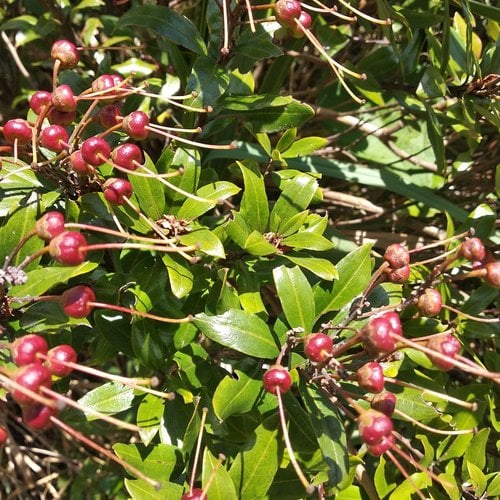
iNaturalist· cc-by-nc
(c) Matt Cohen and Elizabeth Hargrave, some rights reserved (CC BY-NC)
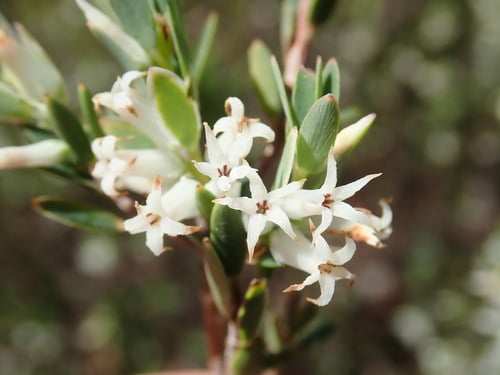
iNaturalist· cc-by-nc
(c) Owen Clarkin, some rights reserved (CC BY-NC)
Summary
Source: WikipediaVaccinium corymbosum is a North American species of blueberry that became commonly cultivated as a fresh fruit crop in the 20th century. Dozens of commercial cultivars exist. It has several common names, including highbush blueberry and rabbiteye blueberry. It can be used as an ornamental hedge and food source for humans and wildlife.
Description
A temperate shrub hybrid in the Ericaceae family.
This description is brief — help expand it
Edible Uses
The fruit is edible.
Distribution
It is a temperate plant.
Dangerous Lookalikes
This plant can be confused with the following toxic species. Always verify identification carefully before consuming any wild plant.
Deadly Nightshade
Atropa belladonna
Joan Simon from Barcelona, España
Southern highbush blueberry
Vaccinium corymbosum x V. darrowi
(c) mamiles, some rights reserved (CC BY-NC-ND), uploaded by mamiles
Deadly Nightshade: Tall herbaceous plant (1-2m), single shiny black cherry-sized berries, star-shaped calyx, large oval leaves, sweet but dangerous taste.
Southern highbush blueberry: Low woody shrub, berries in clusters with crown/remnant calyx ring, sweet taste.
References (1)
- Lyle, S., 2006, Discovering fruit and nuts. Land Links. p 447