Ficus pungens
Reinw. ex Blume
Lovo
iNaturalist· cc-by-nc
(c) Hani Ristiawan, some rights reserved (CC BY-NC)
iNaturalist· cc-by-nc
(c) Hani Ristiawan, some rights reserved (CC BY-NC)
iNaturalist· cc-by-nc
(c) Hani Ristiawan, some rights reserved (CC BY-NC)
Description
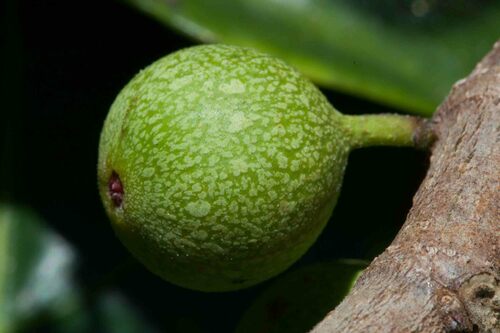
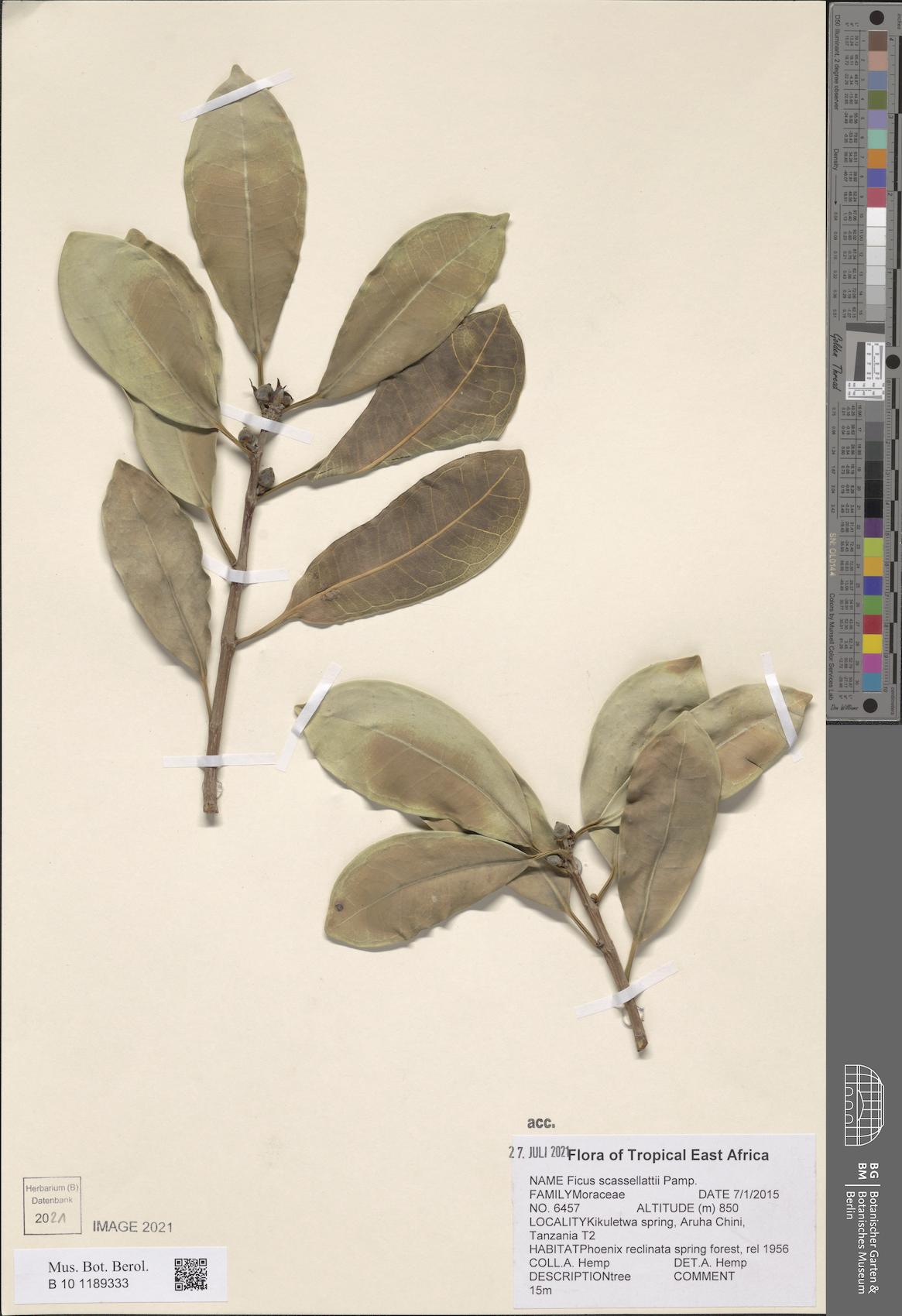
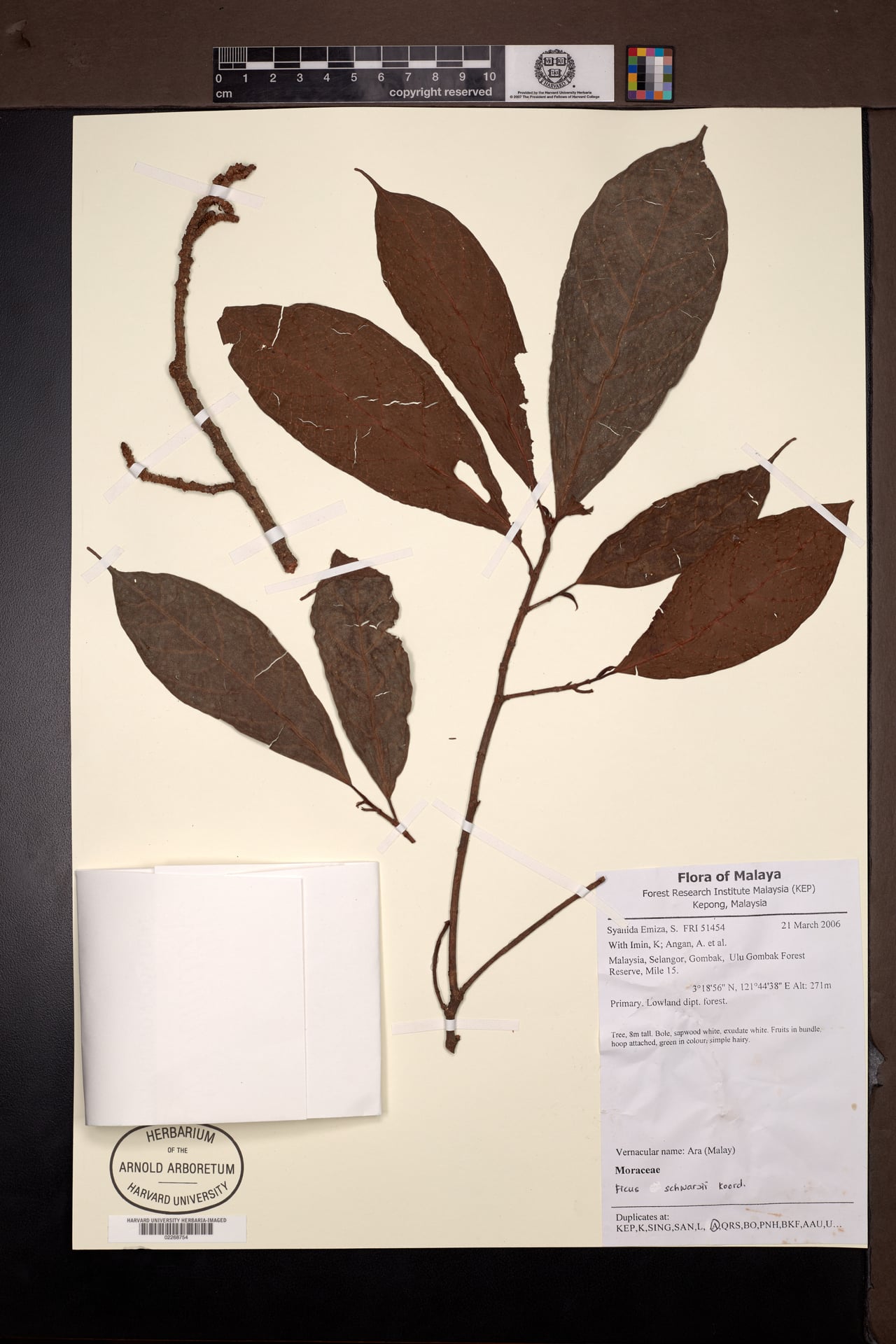
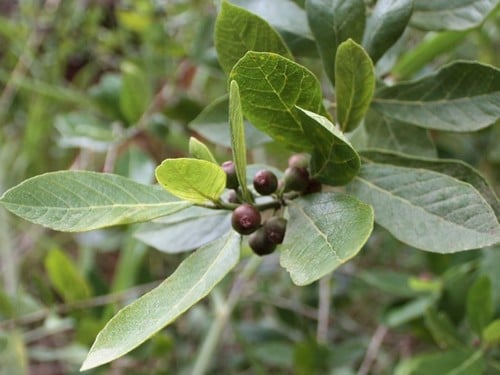
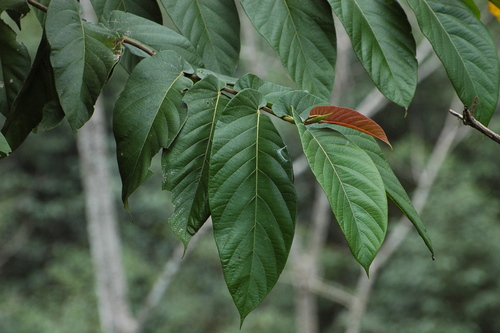
A fig. It is a tall tree with large leaves 30 cm long and 25 cm wide. Young leaves are light green. They have teeth along the edge and are rough on both surfaces. They have 10 pairs of side veins. Stalks have very sharp thorns. These can fall off. The fruit are small (0.5 cm) and in clusters along long stalks hanging from the trunk. The stalks can be 50-80 cm long. The fruit are greenish-yellow but turn red as they ripen.
Edible Uses
Young leaves are cooked and eaten with meat, and are moderately commonly consumed in areas where the tree occurs.
Traditional Uses
The young leaves are cooked and eaten with meat.
This uses section is brief — help expand it
Medicinal Uses
Although there are some reports of the latex being very poisonous, in some regions the root or leaf latex is swallowed to cure cough quickly. The leaves, combined with those of an unknown Mallotus species, are crushed and mixed with water - this solution is said to relieve a bad cough. Heated leaves are applied externally to relieve body pains. The bark is crushed and squeezed, the extracted juice being taken orally for a week as a treatment for asthma.
Known Hazards
In some reports the latex is reported to be very poisonous.
Distribution
A tropical plant. Normally near streams and drains. Trees grow from sea level up to about 1800 m.
Where It Grows
Asia, Indonesia, Pacific, Papua New Guinea, PNG, SE Asia,
Cultivation
Trees are mostly self sown.
Other Uses
The fibrous bark is used to make mats. The fibrous branches used to clean teeth. The leaves of some species are used to wrap food for cooking. The leaves of some species are quite rough and can be used as a sandpaper substitute and for scouring pots. The wood of plants in this genus is usually of low quality, light in weight, soft and not very durable. It is sometimes used for purposes such as light construction, digging sticks, yam stakes, etc. The wood is also used for fuel and sometimes for making fire by friction.
Other Information
The leaves are moderately commonly eaten with meat in areas where the tree occurs.
Notes
There are about 800-1000 Ficus species. They are mostly in the tropics. There are 120 Ficus species in tropical America.
Synonyms
Also Known As
Gofe, Hiyo, Hoiyo, Huisi, Ongau, Wakia, Wek, Wekima
References (6)
- Borrell, O.W., 1989, An Annotated Checklist of the Flora of Kairiru Island, New Guinea. Marcellin College, Victoria Australia. p 107
- Bourke, R. M., Altitudinal limits of 230 economic crop species in Papua New Guinea. Terra australis 32.
- French, B.R., 1986, Food Plants of Papua New Guinea, A Compendium. Asia Pacific Science Foundation p 63
- Peekel, P.G., 1984, (Translation E.E.Henty), Flora of the Bismarck Archipelago for Naturalists, Division of Botany, Lae, PNG. p 147, 145
- Walter, A. & Sam C., 2002, Fruits of Oceania. ACIAR Monograph No. 85. Canberra. p 279
Show all 6 references Hide references
- World Checklist of Useful Plant Species 2020. Royal Botanic Gardens, Kew