Ficus superba var. japonica
(Miq.) Miq., Miq
gbif· cc-by
Royal Botanic Gardens, Kew
Summary
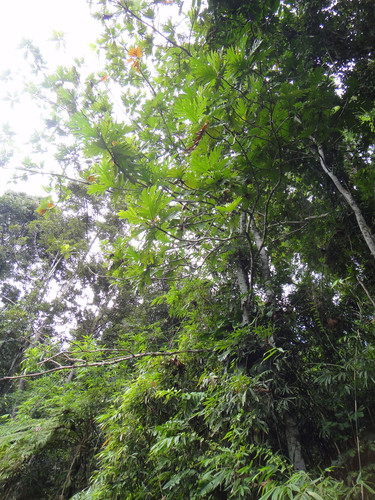
Source: WikipediaFicus superba, also known as sea fig or deciduous fig, is a hemiepiphytic tree of genus Ficus. It is one of the species known as banyans or "strangler figs" because of its potential to grow as a hemi-epiphyte and eventually progress to the strangling habit of species in this subgenus. It is, however, not an obligate hemi-epiphyte and can be found growing as single stemmed trees in forests. It is found in Japan, Taiwan, Australia, and China, as well as various parts of Southeast Asia, such as Thailand, Vietnam, Java, Kalimantan, the Lesser Sunda Islands, Moluccas, Seram Island, and Peninsular Malaysia. According to E.J.H. Corner, if this fig germinates in a boulder field its roots can extend "extraordinary distances, up to several hundred feet" over and between the rocks.
Description
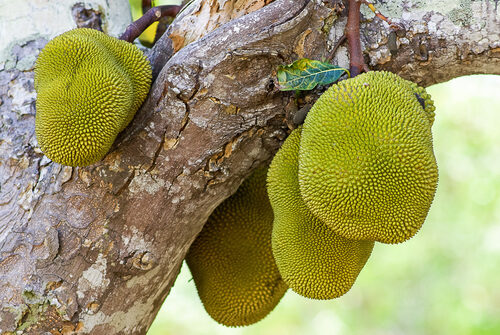
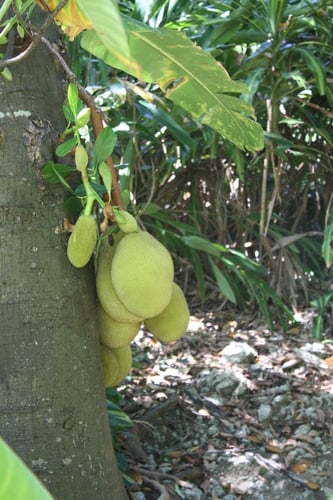
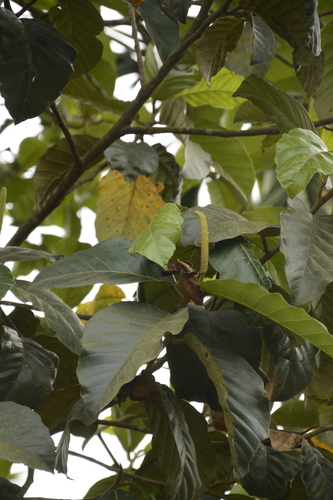
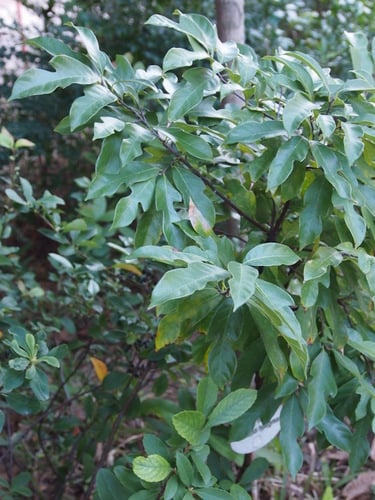
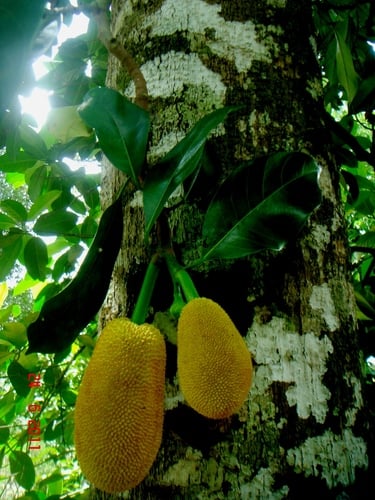
A fig. It is a large tree. It loses its leaves during the year. It has some aerial roots. The bark is dark brown and smooth. The small branches are reddish. The leaves are in clusters. They are papery and narrowly oval. They are 10-17 cm long by 4-6 cm wide. The leaf stalks are slender and 3-7 cm long. The fruit receptacles are reddish and have white dots. They can occur singly, in pairs or in groups and can be in the axils of leaves or on large branches. They are 1-1.5 cm across.
Edible Uses
The leaves are cooked and eaten as a vegetable.
Traditional Uses
The leaves are cooked and eaten as a vegetable.
This uses section is brief — help expand it
Distribution
It is a tropical plant. It grows at low elevations in Taiwan. In Yunnan.
Where It Grows
Asia, China, Indochina, Japan, Malaysia, SE Asia, Taiwan, Thailand,
References (3)
- Flora of Taiwan Vol. 2:180
- Kuo, W. H. J., (Ed.) Taiwan's Ethnobotanical Database (1900-2000), http://tk.agron.ntu.edu.tw/ethnobot/DB1.htm
- Xu, You-Kai, et al, 2004, Wild Vegetable Resources and Market Survey in Xishuangbanna, Southwest China. Economic Botany. 58(4): 647-667.