Artocarpus ovatus
Blanco
Anubing
iNaturalist· cc-by-nc
(c) ndionson, some rights reserved (CC BY-NC), uploaded by ndionson
iNaturalist· cc-by-nc
(c) ndionson, some rights reserved (CC BY-NC)
Description
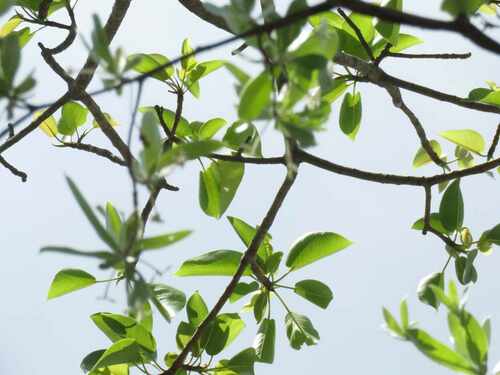
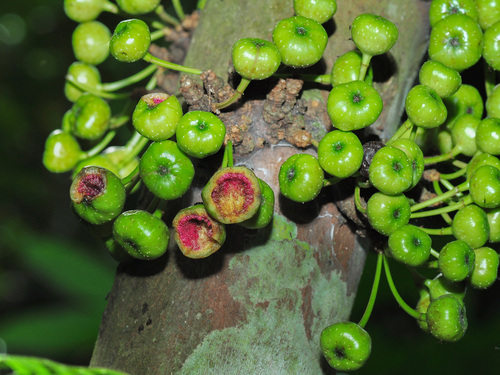
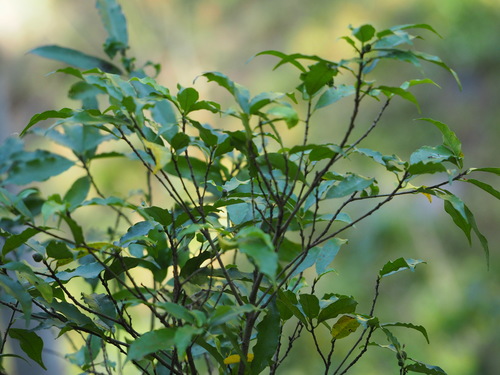
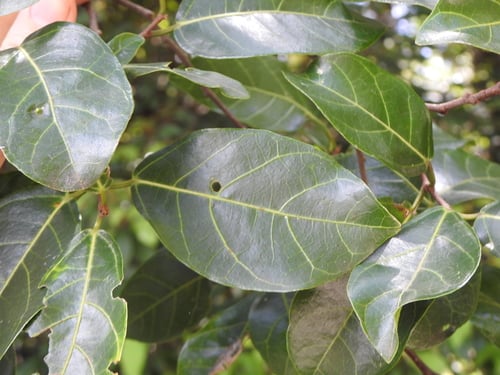
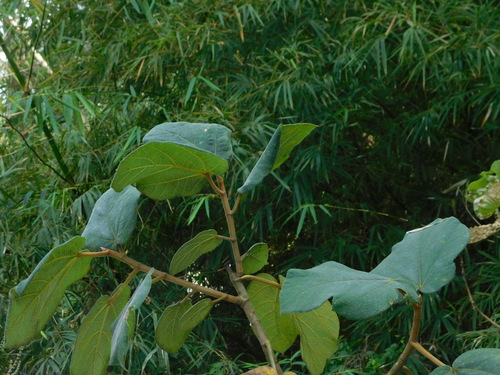
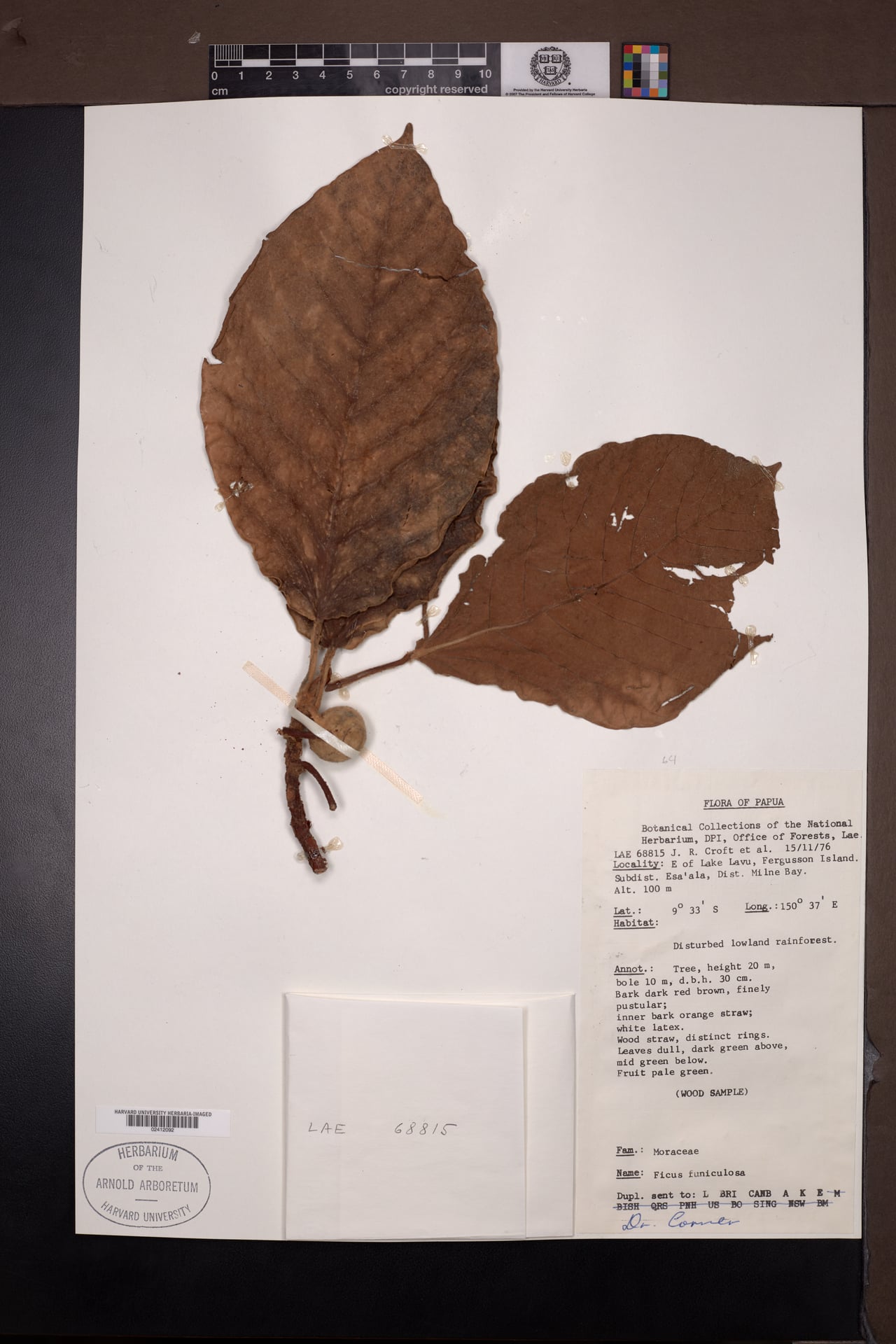
A medium sized tree. It grows about 30 m high. The leaves are alternate and hairy. The leaves are entire and have a rough surface. They are softly hairy underneath. They are 20 cm long. They are oval, shiny and dark green. The female flower head is about 2 cm across. The male heads are pear shaped. The fruit are rough, irregular and yellowish-green. They are about 6 cm long.
Edible Uses
Several species in the genus bear edible fruit and are commonly cultivated: Breadfruit (Artocarpus altilis), Cempedak (Artocarpus integer), Jackfruit (Artocarpus heterophyllus), Kwai Muk (Artocarpus parvus), Lakoocha (Artocarpus lakoocha), Pudau (Artocarpus kemando), Anjily (a.k.a. Jungle Jack) (Artocarpus hirsutus), Chaplaish (Artocarpus chama), and Marang (Artocarpus odoratissimus). Breadfruit and jackfruit are cultivated widely in the tropical Southeast Asia. Other species are cultivated locally for their timber, fruit or edible seeds. Anjily, A. hirsutus, is grown for fruit and timber in the Western Ghats.
Traditional Uses
The kernel of the seeds is roasted and eaten. The fruit are edible when fully ripe. The latex is used for chewing gum.
This uses section is brief — help expand it
Distribution
A tropical plant. It occurs from northern Luzon to Mindanao and Palawan in the Philippines. It grows up to 750 m above sea level.
Where It Grows
Asia, Pacific, Philippines, SE Asia,
Cultivation
In general, species in this genus prefer a deep, well-drained soil; young plants need some shade, but need increasing light levels as they mature.
Propagation
Seed - best extracted from ripe fruits and sown immediately as they cannot withstand desiccation and lose viability within a few week. There is no period of dormancy, the seed usually germinating immediately.
Other Uses
A latex obtained from the tree is known as 'Anubing gum'. It has been recommended as a base for chewing gums. The wood is hard. We have no more specific information for this species, but it is a source of keledang timber, the general description of which follows:- The heartwood is yellow-brown to orange-red, darkinging to golden brown; it is clearly demarcated from the 5 - 7cm wide band of sapwood. The texture is coarse; the grain straight or interlocked; there is a lustrous, ribbon-like aspect. The wood is fairly heavy, fairly hard, durable, being moderately resistant to fungi and resistant to termites and dry wood borers. It seasons somewhat slowly with a high risk of distortion and a slight risk of checking; once dry it is moderately stable to stable in service. It has a fairly high blunting effect upon tools, stellite-tipped and tungsten carbide are recommended; the surface is fibrous and filling is recommended; it takes screws and nails poorly; glues correctly. The wood is used for furniture, house building, turnery, light carpentry, interior joinery and panelling, boxes and crates, boats etc. It is used for making high class coffins in Malaysia.
Notes
There are about 50 Artocarpus species. They are in the tropics and subtropics of Asia and the Pacific.
Synonyms
References (5)
- Bircher, A. G. & Bircher, W. H., 2000, Encyclopedia of Fruit Trees and Edible Flowering Plants in Egypt and the Subtropics. AUC Press. p 43 (As Artocarpus cumingiana)
- Carig, Elizabeth T. 2020, Guidebook on Native Trees within the Quirino Forest Landscape. Plaridel, Bulacan, St. Andrew Publishing House. p 20
- Monsalud, M.R., Tongacan, A.L., Lopez, F.R., & Lagrimas, M.Q., 1966, Edible Wild Plants in Philippine Forests. Philippine Journal of Science. p 497
- Reis, S. V. and Lipp, F. L., 1982, New Plant Sources for Drugs and Foods from the New York Botanical Garden herbarium. Harvard. p 40 (As Artocarpus cumingianus)
- Wickens, G.E., 1995, Edible Nuts. FAO Non-wood forest products. FAO, Rome. p144