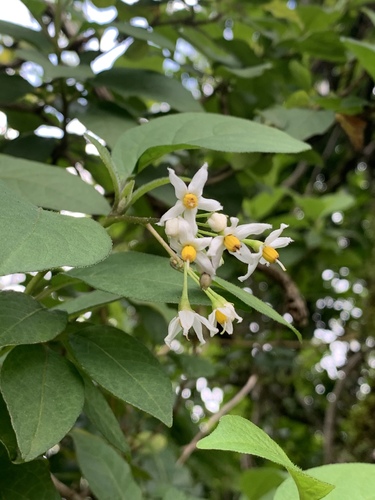
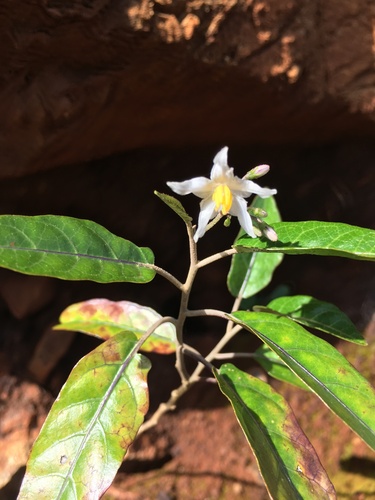
Solanum grandiflorum
Ruiz. & Pav.
Kukuch, Naranjilla
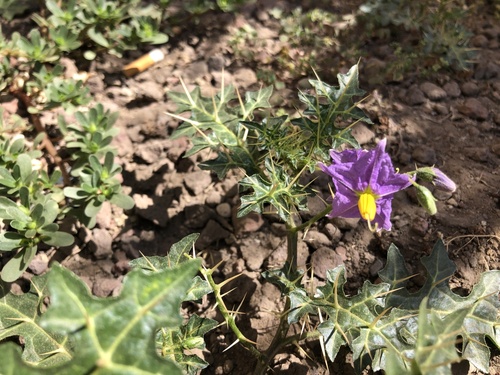
wikimedia· cc0
Wikimedia Commons - I. Galvez
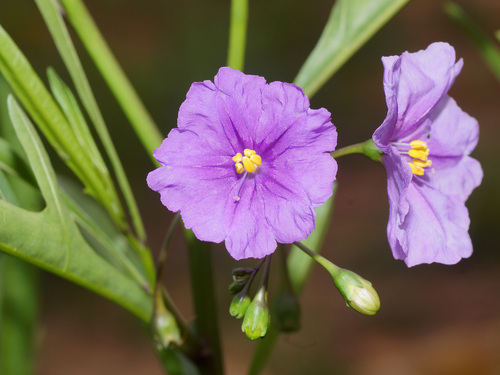
iNaturalist· cc-by-nc
(c) Apipa, some rights reserved (CC BY-NC), uploaded by Apipa
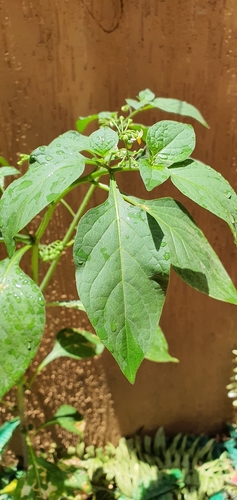
wikimedia· cc-by-sa
Wikimedia Commons - Ajtjohnsingh
Summary
Source: WikipediaSolanum grandiflorum is a species of evergreen tree or treelet in the family Solanaceae. It is native to the wet lowland forests of the Amazon Basin; currently reported in Bolivia, Brazil, Colombia, Ecuador and Peru at 150–1600 meters above sea level.
Description
A small tropical tree in the Solanaceae family that grows up to 15 m tall. It can be propagated from seed or cuttings.
This description is brief — help expand it
Edible Uses
The fruit is eaten fresh and used to make juice drinks.
Traditional Uses
The fruit is eaten and used for juice drinks.
This uses section is brief — help expand it
Medicinal Uses
The plant is cooked and mixed with commercial disinfectant to bathe injured animals
Known Hazards
Although providing many well-known foods for people, including the potato, tomato, pepper and aubergine, most species in this genus also contain toxic alkaloids. Whilst these alkaloids can make the plant useful in treaing a range of medical conditions, they can also cause problems such as nausea, vomiting, salivation, drowsiness, abdominal pain, diarrhoea, weakness and respiratory depression. Unless there are specific entries with information on edible uses, it would be unwise to ingest any part of this plant.
Distribution
It is a tropical plant.
Where It Grows
Amazon, Andes, Asia, Bolivia, Brazil, Colombia, Ecuador, Northeastern India, Peru, South America,
Cultivation
Plants can be grown from seed or cuttings.
Propagation
Seed - sow in trays in a nursery. Prick out the seedlings into individual pots when they are large enough to handle and grow them on fast. Plant them out when 10cm or more tall. Cuttings of half-ripe wood. Very easy, the cuttings root within a couple of weeks.
Also Known As
Jurubeba-branca, Kukush, Lobeira, Matanchea, Pungaka, Sacha naranjilla, Ttottopaje
References (8)
- Duchelle, A. E., 2007, Observations on Natural Resource use and Conservation by the Shuar In Ecuador's Cordillera del Condor. Ethnobotany Research & Applications 5:005-023
- Ferns, Useful Tropical Plants
- Kermath, B. M., et al, 2014, Food Plants in the Americas: A survey of the domesticated, cultivated and wild plants used for Human food in North, Central and South America and the Caribbean. On line draft. p 818
- Kew Plants of the World Online
- Roa, J. A. G. & Boada, D. S. G., 2018, Fundación para el Fortalecimiento de la Fruticultura y Plantas Alimenticias no Convencionales en Colombia.
Show all 8 references Hide references
- Samuels, J., 2015, Biodiversity of Food Species of the Solanaceae Family: A Preliminary Taxonomic Inventory of Subfamily Solanoideae. Resources 2015, 4. 277-322
- Torre, de la, L., et al, 2008, Enciclopedia de las Plantas Útiles del Ecuador. Herbario QCA. Pontificia Universidad Católica del Ecuador. p 591
- www.colecionandofrutas.org