Nicotiana glauca
Graham
Tree tobacco
iNaturalist· cc-by-nc
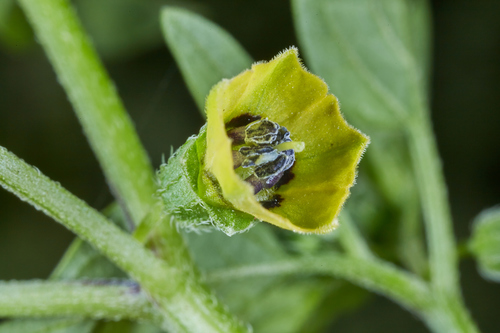
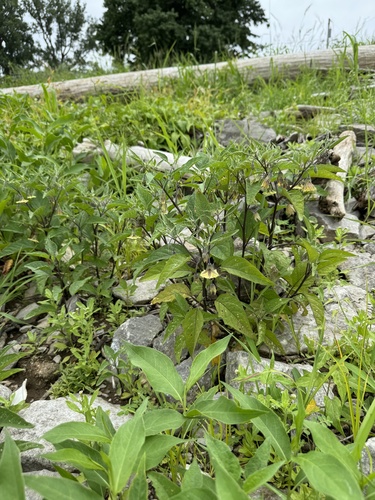
(c) Thorny Toad Photography, some rights reserved (CC BY-NC), uploaded by Thorny Toad Photography
iNaturalist· cc-by-nc-sa
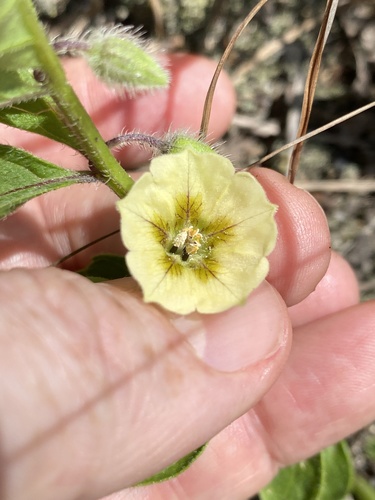
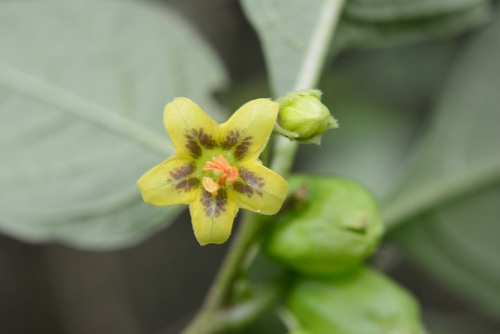
(c) Gustavo Fernando Durán, some rights reserved (CC BY-NC-SA), uploaded by Gustavo Fernando Durán
iNaturalist· cc-by
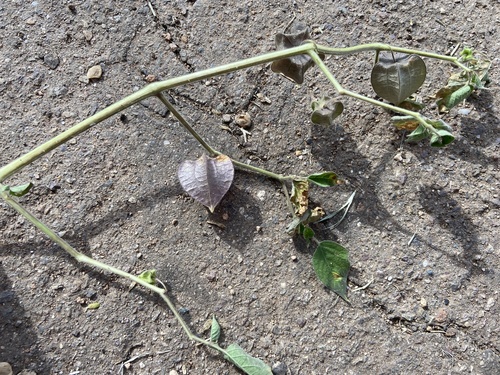
(c) Scott Zona, some rights reserved (CC BY)
Summary
Source: WikipediaNicotiana glauca is a species of flowering plant in the tobacco genus Nicotiana of the nightshade family Solanaceae. It is known by the common name tree tobacco. Its leaves are attached to the stalk by petioles (many other Nicotiana species have sessile leaves), and its leaves and stems are neither pubescent nor sticky like Nicotiana tabacum. It resembles Cestrum parqui but differs in the form of leaves and fusion of the outer floral parts. It grows to heights of more than two meters. Tree tobacco is native to South America but it is now widespread as an introduced species on other continents. It is a common roadside weed in the southwestern United States, and an invasive plant species in California native plant habitats.
Description
A shrub or small tree. It grows 2-6 m tall. The leaves are oval and 5-25 cm long. They are leathery. There are many flowers in a group. They are long and trumpet shaped and yellow. They hang down.
Edible Uses
The leaves have been made into a drink, though considerable caution is advised. The resulting tea will contain nicotine, which is toxic. There is evidence that Nicotiana glauca has caused accidental poisoning when mistaken for other plants. Ingestion is not recommended — see Known Hazards.
Traditional Uses
The leaves are used for a drink.
This uses section is brief — help expand it
Medicinal Uses
A poultice of the leaves can be applied to cuts, bruises, swellings, and other wounds, and has been used to draw pus from scrofulous sores or boils. A leaf poultice has also been applied to inflamed throat glands. An infusion of the leaves has been used as a steam bath in the treatment of rheumatism.
Known Hazards
All parts of the plant contain nicotine, which is toxic. There is evidence that this species has caused accidental poisoning when mistaken for other plants.
Distribution
It is a subtropical plant. In Argentina it grows from sea level to 3,000 m above sea level.
Where It Grows
Africa, Argentina, Asia, Bolivia, Botswana, Brazil, Chile, China, East Africa, Mozambique, Namibia, North America, Paraguay, South America, Southern Africa, St Helena, Uruguay, USA, Zimbabwe,
Cultivation
Prefers a well-drained deep rich moist soil in a sunny position. This species is hardy to about -5°c. Plants can survive the winter outdoors in the milder parts of Britain, though they usually act as herbaceous perennials in such conditions. Plants require more than 14 hours daylight per day in order to induce flowering.
Propagation
Surface sow seed in a warm greenhouse about 10 weeks before the last expected spring frosts. Germination typically takes 10–20 days at 20°C. Keep the soil moist and pot up seedlings as soon as they are large enough to handle, planting out after the last expected frosts.
Other Uses
All parts of the plant contain nicotine, which has been extracted and used as an insecticide. The plant is also a dynamic accumulator.
References (2)
- Moerman, D. F., 2010, Native American Ethnobotany. Timber Press. p 355
- World Checklist of Useful Plant Species 2020. Royal Botanic Gardens, Kew