Synaptolepis kirkii
Oliv.
iNaturalist· cc-by-nc
(c) magdastlucia, some rights reserved (CC BY-NC)
iNaturalist· cc-by-nc
(c) magdastlucia, some rights reserved (CC BY-NC)
iNaturalist· cc-by-nc
(c) magdastlucia, some rights reserved (CC BY-NC)
Description
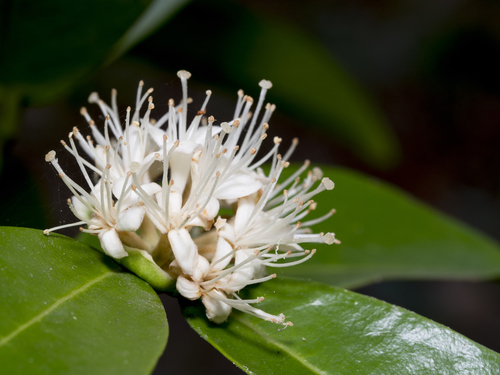
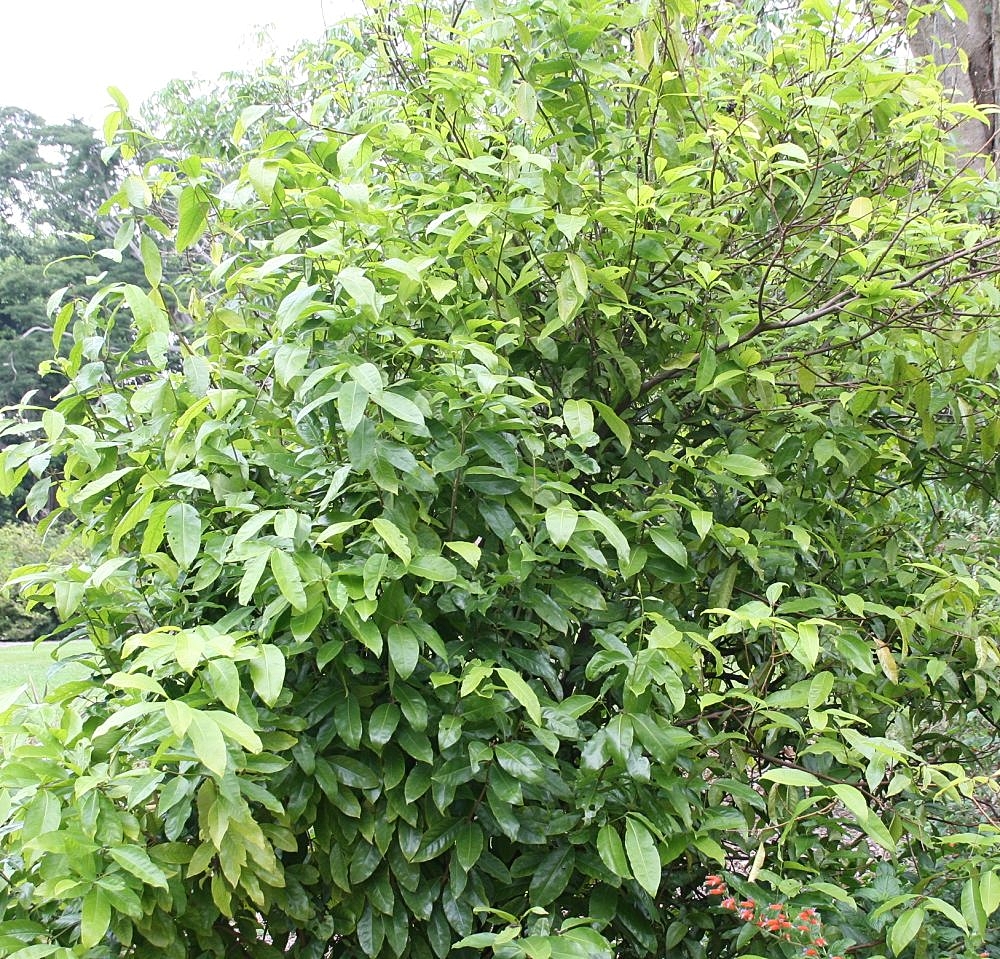
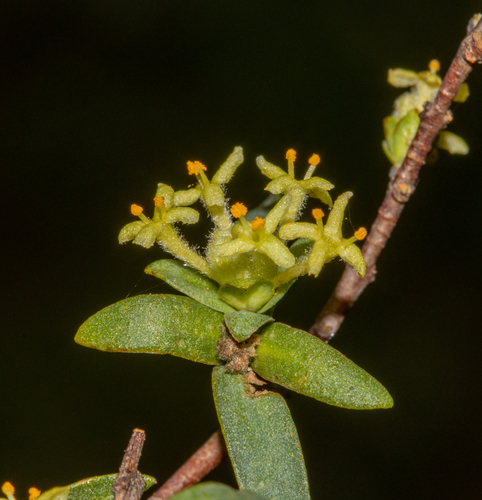
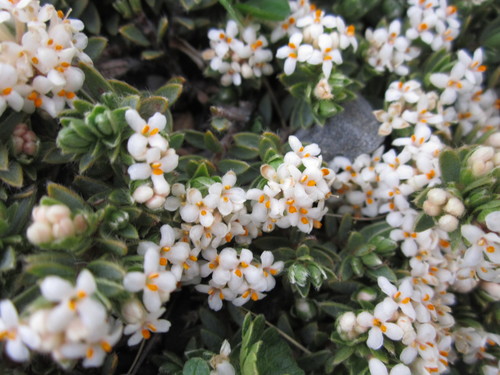
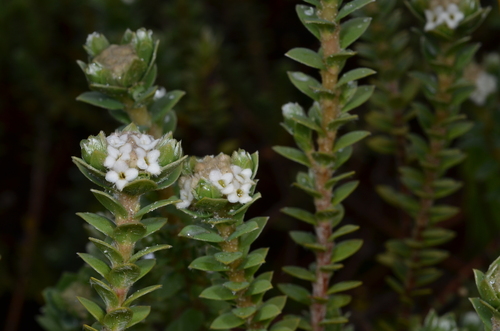
A small shrub. It can be a climber. It grows 4 m long. The branches twine around other plants. The bark is black with lighter breathing pores. The stems come from tuberous swollen roots. The leaves are opposite and oval. They are 2-5 cm long. The base is rounded. The flowers are white or cream. They have a sweet scent at night. There can be one or more flowers in the axils of leaves. The fruit are berries. They are 1 cm long. They are orange when ripe. The seed has a black lobe at the end.
Edible Uses
The sweet pulp of the ripe fruit is eaten fresh as a snack.
Traditional Uses
The pulp of the fruit is sweet and is eaten fresh as a snack.
This uses section is brief — help expand it
Medicinal Uses
A root decoction is used as a remedy for snakebite, impotence and vomiting.
Distribution
It is a tropical plant. In Tanzania it grows between sea level and 900 m above sea level.
Where It Grows
Africa, East Africa, Kenya, Mozambique, South Africa, Southern Africa, Tanzania, Zimbabwe,
Cultivation
Plants can be grown from seeds.
Other Uses
The stem can be used as a substitute for rope.
Production
In Tanzania, fruit are collected from March to May.
Also Known As
Chohouje, Houje, Lukubi wa msitu, Mahari ya paka, Mbibikiu, Mfungapaka, Mjirambiri, Mkatu, Munjirembiri, Teverera
References (5)
- Cunningham, 1985,
- Peters, C. R., O'Brien, E. M., and Drummond, R.B., 1992, Edible Wild plants of Sub-saharan Africa. Kew. p 189
- Ruffo, C. K., Birnie, A. & Tengnas, B., 2002, Edible Wild Plants of Tanzania. RELMA p 642
- Walsh, M., 2009, The Use of Wild and Cultivated Plants as famine Foods on Pemba Island, Zanzibar. Études océan Indien. 42-43
- World Checklist of Useful Plant Species 2020. Royal Botanic Gardens, Kew