Daphne papyracea
Wall. ex G. Don
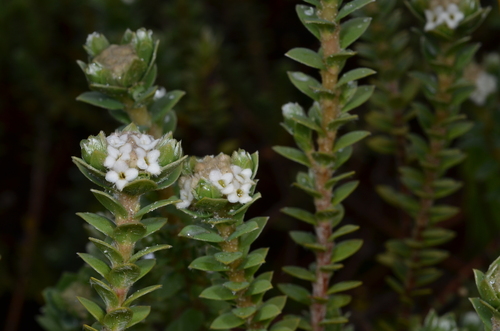
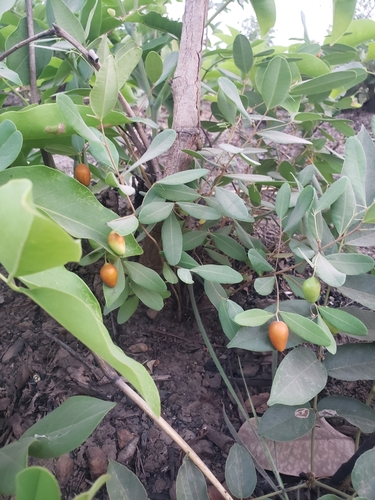
iNaturalist· cc-by
(c) Toby Y, some rights reserved (CC BY), uploaded by Toby Y
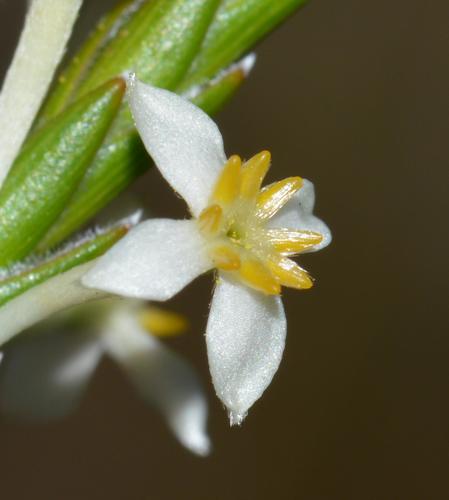
iNaturalist· cc-by-nc
(c) Basu Dev Poudel, some rights reserved (CC BY-NC), uploaded by Basu Dev Poudel
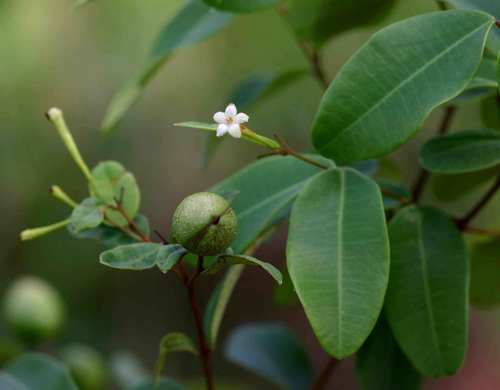
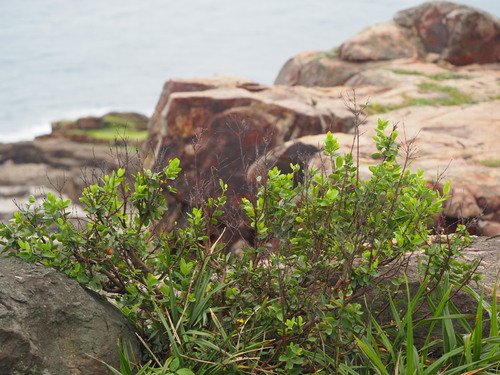
iNaturalist· cc-by-nc
(c) Eric Ching, some rights reserved (CC BY-NC), uploaded by Eric Ching
Summary
Source: WikipediaDaphne papyracea is a shrub of the family Thymelaeaceae. It is evergreen, and is found across Asia, from Pakistan through central Nepal to China. Generally it is found at elevations from 700 to 3,100 metres (2,300 to 10,200 ft).
Description
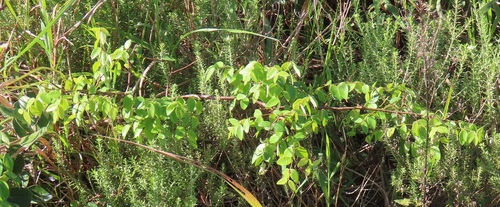
Evergreen shrub reaching 1.5 m tall. Hardy to UK zone 8. Year-round foliage with flowers January to April. Hermaphrodite flowers pollinated by bees, flies, and lepidopterans. Grows in medium loamy and heavy clay soils, well-drained, across mildly acid to basic pH ranges. Tolerates semi-shade and prefers moist soil. Scented.
Edible Uses
None known
Traditional Uses
The ripe fruit are eaten.
This uses section is brief — help expand it
Medicinal Uses
The plant is bitter, febrifuge, and purgative. The specific part used is not stated in available records.
Known Hazards
All parts of the plant are poisonous. Skin contact with the sap can cause dermatitis in some people.
Distribution
It is a temperate plant. In Northeast India it grows between 2,500-2,800 m above sea level.
Where It Grows
Asia, India, Nepal, Northeastern India,
Cultivation
Prefers a cool lime-free well-drained sandy loam and a sunny position. Succeeds in neutral soils and tolerates partial shade. Likes plenty of moisture in the growing season. A good sandy loam and a sunny position suits most members of this genus. This species is not hardy in the colder areas of the country, it tolerates temperatures down to between -5 and -10°c. Closely related to D. bholua. The flowers are fragrant. Plants are resentful of root disturbance and should be planted into their permanent positions as soon as possible.
Propagation
Seed is best sown in a greenhouse as soon as it is ripe, with the pot sealed in a polythene bag to retain moisture. Remove the bag as soon as germination occurs. Seed harvested 'green' — fully developed but before drying on the plant — and sown immediately tends to germinate more reliably. Germination should normally take place by spring, though it may take a further year. Stored seed requires warm stratification for 8–12 weeks at 20°C followed by 12–14 weeks at 3°C; germination may then take a further 12 months or more at 15°C. Prick seedlings into individual pots once large enough to handle, grow on in the greenhouse through their first winter, and plant out in spring after the last expected frosts. Cuttings of half-ripe wood can be taken in July/August in a frame.
Other Uses
The inner bark is used in paper manufacture and is one of the principal sources of Nepalese handmade paper.
Synonyms
Also Known As
Lokta, Shugu-sheng
References (1)
- Tsering, J., et al, 2017, Ethnobotanical appraisal on wild edible plants used by the Monpa community of Arunchal Pradesh. Indian Journal of Traditional Knowledge. Vol 16(4), October 2017, pp 626-637