Diascia spp.
No photos yet for Diascia spp.
Sign in to contribute a photoDescription
A tropical herb in the Scrophulariaceae family.
This description is brief — help expand it
Edible Uses
Young leaves are used as potherbs.
Known Hazards
If the garden where it is kept is suburban, then it should be securely walled, so that the tortoise does not wander into the nearby streets and traffic. The property should also not have a swimming pool, as angulate tortoises cannot swim (unlike many larger tortoise species), and will drown if it falls into deep water. Domestic dogs are a threat to captive tortoises, which are often badly injured or killed after being severely chewed on. If kept in groups, females never clash, however males are fiercely territorial and will fight each other at any opportunity. Males should therefore ideally be kept separately from other males.
Distribution
It is a tropical plant.
Where It Grows
Africa,
Notes
All Diascia species can be used as potherbs when they are young. Jacot Guillarmod, 1971,
References (2)
- Guillarmod, J., 1971,
- Peters, C. R., O'Brien, E. M., and Drummond, R.B., 1992, Edible Wild plants of Sub-saharan Africa. Kew. p 185
More from Scrophulariaceae
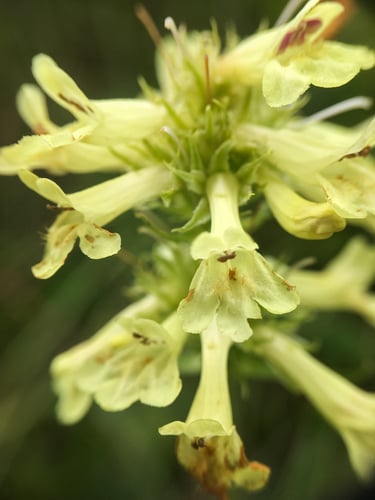
Penstemon confertus
Yellow beard tongue, Small-flowered penstemon
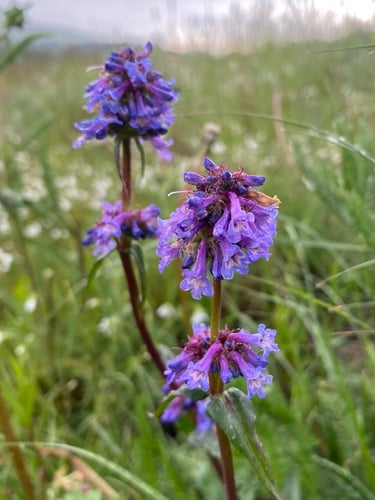
Penstemon procerus
Yellow penstemon
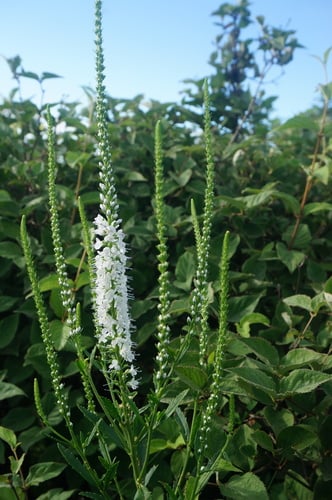
Pseudolysimachion linariifolium subsp. dilatatum
Shui man jing
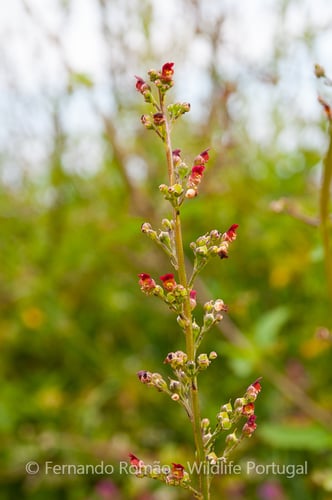
Scrophularia auriculata
Bishop's leaves, Water-betony, Water figwort
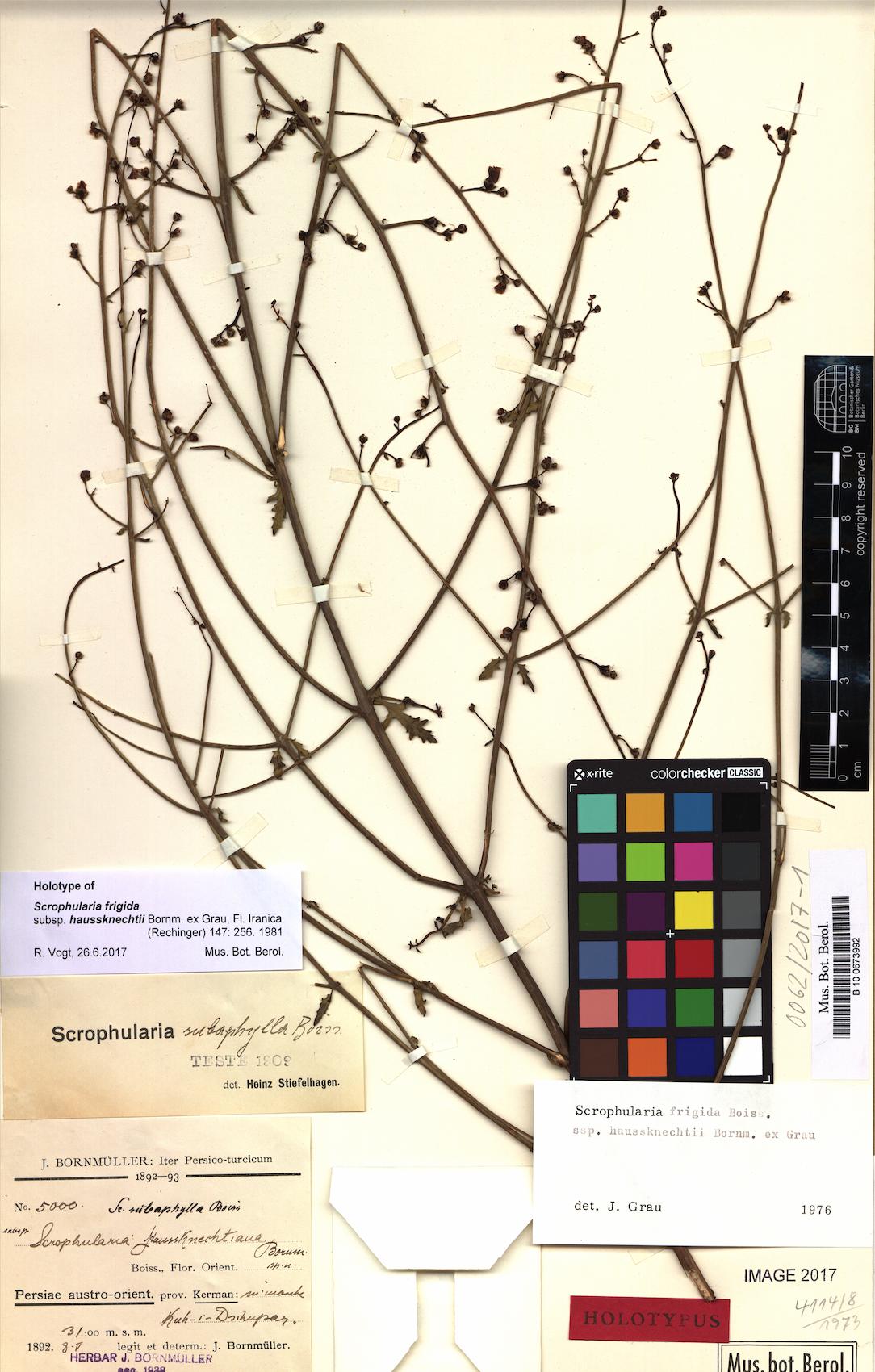
Scrophularia frigida
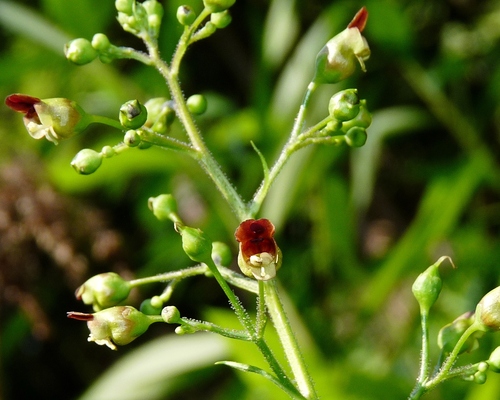
Scrophularia nodosa
Knotted Figwort, Common figwort