Scrophularia nodosa
L.
Knotted Figwort, Common figwort
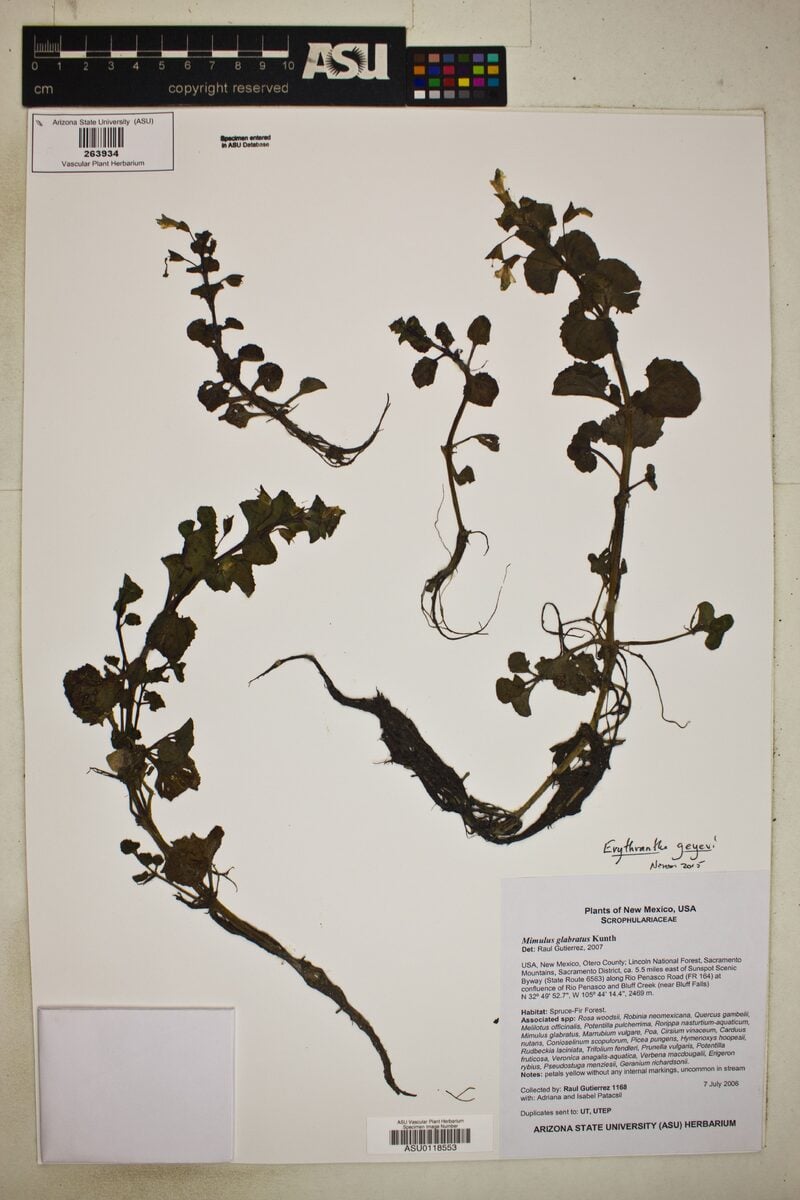
iNaturalist· cc-by-nc
(c) lastovka, some rights reserved (CC BY-NC), uploaded by lastovka
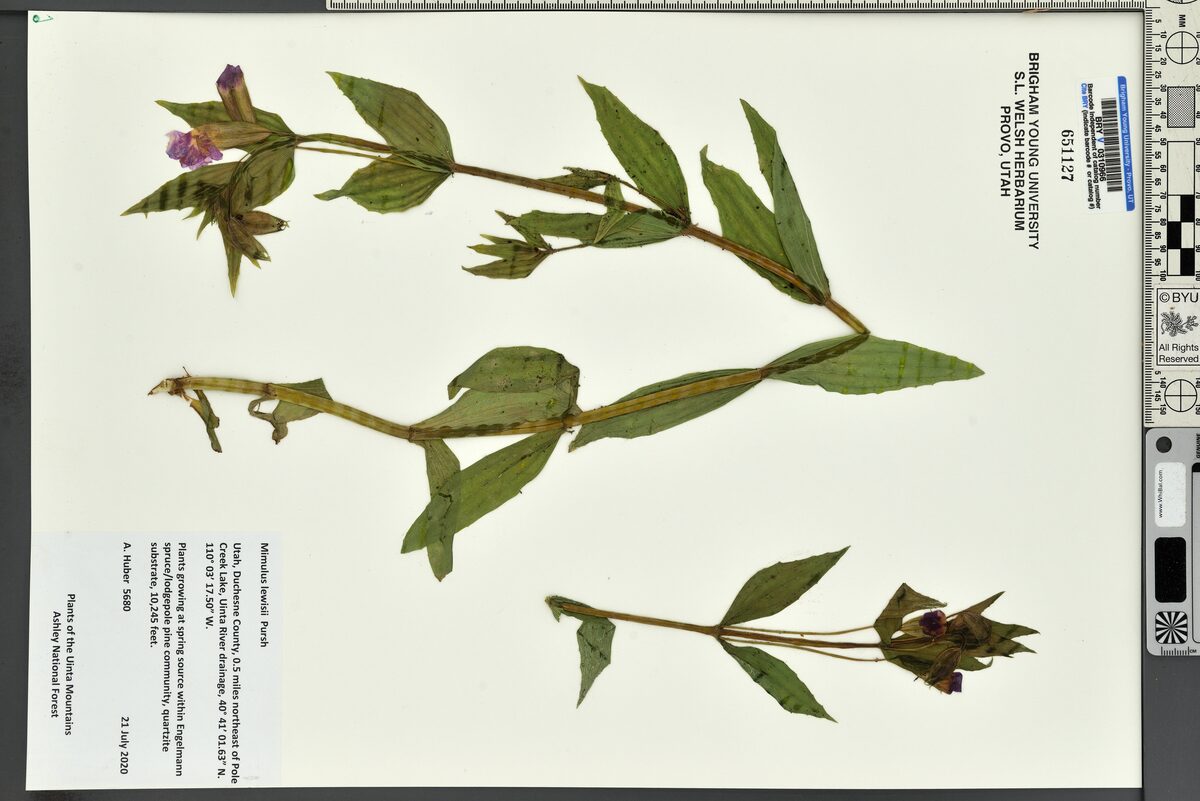
iNaturalist· cc-by
(c) Felix Seebauer, some rights reserved (CC BY), uploaded by Felix Seebauer
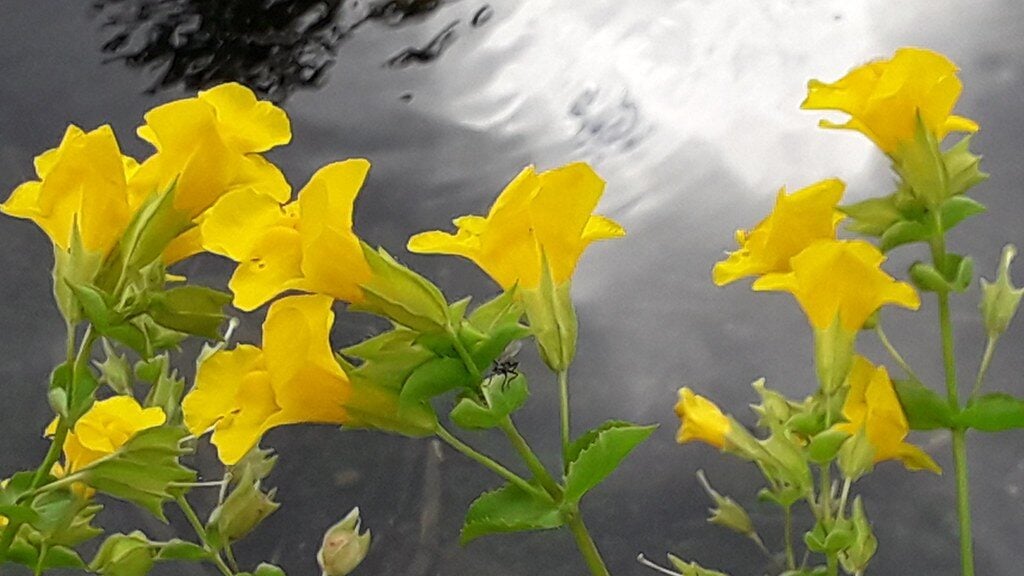
iNaturalist· cc-by
(c) Thomas Gyselinck, some rights reserved (CC BY), uploaded by Thomas Gyselinck
Summary
Source: WikipediaScrophularia nodosa (also called figwort, woodland figwort, and common figwort) is a perennial herbaceous plant found in temperate regions of the Northern Hemisphere except western North America. It grows in moist and cultivated waste ground.
Description
A herb that keeps growing from year to year. It has underground stems or rhizomes that are fattened like tubers. It grows 40 cm -1.2 m high. It spreads 15-40 cm wide. The stem is erect and square and has few branches. The leaves are opposite, oval and pointed. There are teeth around the edge. The flowers are purple and white. They are round and in panicles at the ends of the branches. The fruit are oval capsules.
Edible Uses
The root can be cooked, though it smells and tastes unpleasant and has only been used in times of famine. Its edibility must be considered doubtful.
Traditional Uses
The bitter element is removed and then the starch of the root is extracted to extend flour for bread.
This uses section is brief — help expand it
Medicinal Uses
Knotted figwort supports detoxification and may be used for various skin disorders. The whole plant is alterative, anodyne, anti-inflammatory, diuretic, mildly purgative, and stimulant. It is harvested as flowering begins in summer and can be dried for later use. A decoction applied externally is used for sprains, swellings, burns, and inflammations, and is said to help with chronic skin diseases, scrofulous sores, and gangrene. The leaves can be applied fresh or made into an ointment. Internally, the plant is used for chronic skin diseases such as eczema, psoriasis, and pruritis, as well as mastitis, swollen lymph nodes, and poor circulation. It should not be prescribed for patients with heart conditions. The root is anthelmintic.
Known Hazards
Avoid in patients with ventricular tachycardia (increased heart rate). Lack of toxicological data excludes use during pregnancy.
Distribution
It is a temperate plant. It does best in moist, well-drained soil. It needs a protected, shady position. It is resistant to frost but sensitive to drought.
Where It Grows
Australia, Belgium, Britain, Europe*, France, Germany, Slovenia, Spain, Tasmania, Turkey,
Cultivation
Succeeds in most moist to wet soils in full sun or partial shade. Plants are hardy to at least -15°c.
Propagation
Sow seed in spring or autumn in a cold frame. Prick seedlings into individual pots when large enough to handle and plant out in summer. With sufficient seed, sow outdoors in situ in autumn or spring. Divide in spring; larger divisions can go directly into permanent positions. Smaller divisions are best potted up and grown on in a lightly shaded cold frame until well established before planting out in summer.
Other Uses
None known
Other Information
It is a famine food.
Also Known As
Navadna črnobina
References (7)
- Bodkin, F., 1991, Encyclopedia Botanica. Cornstalk publishing, p 920
- Bremness, L., 1994, Herbs. Collins Eyewitness Handbooks. Harper Collins. p 216
- Hibbert, M., 2002, The Aussie Plant Finder 2002, Florilegium. p 289
- http://www.botanic-gardens-ljubljana.com/en/plants
- Lim, T. K., 2015, Edible Medicinal and Non Medicinal Plants. Volume 9, Modified Stems, Roots, Bulbs. Springer p 76
Show all 7 references Hide references
- Plants for a Future database, The Field, Penpol, Lostwithiel, Cornwall, PL22 0NG, UK. http://www.scs.leeds.ac.uk/pfaf/
- Sp. pl. 2:619. 1753