Scrophularia auriculata
Linn.
Bishop's leaves, Water-betony, Water figwort
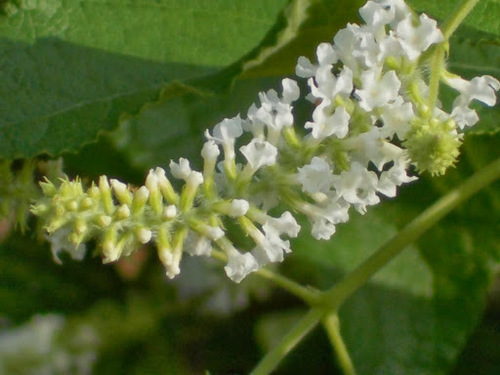
iNaturalist· cc-by-nc
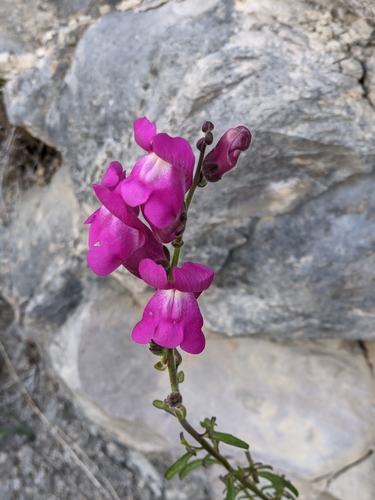
(c) Fernando Romão, some rights reserved (CC BY-NC), uploaded by Fernando Romão
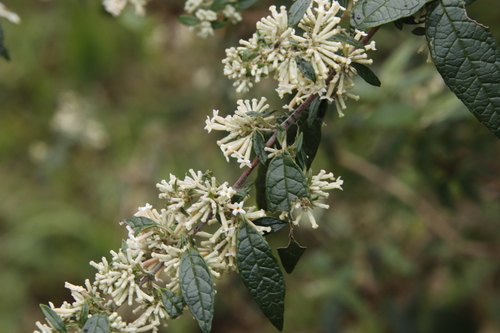
iNaturalist· cc-by-nc-sa
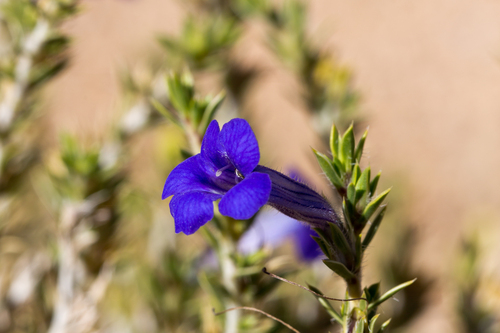
(c) José María Escolano, some rights reserved (CC BY-NC-SA)
iNaturalist· cc-by-nc
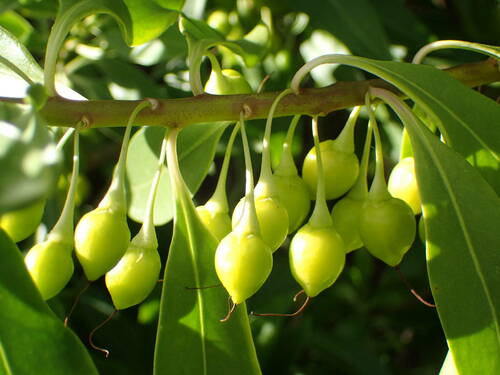
(c) Lou Valence, some rights reserved (CC BY-NC), uploaded by Lou Valence
Summary
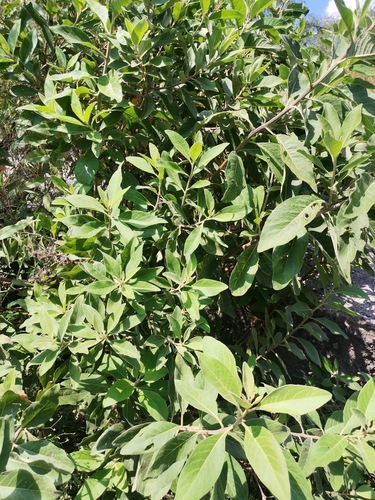
Source: WikipediaScrophularia auriculata, the shoreline figwort or water figwort, is a perennial plant of the genus Scrophularia in the family Scrophulariaceae. It is found commonly in Western Europe and North Africa, on the margins of rivers, ponds and similar damp places. It is an upright plant reaching 70 cm with blunt oval, crenate leaves in alternate pairs on the greenish–purple square stem, most leaves may have two small lobes at their base. The spikes of flowers are held stiffly on square stems which arise from the main stem in the angle of the leaf stalks. The square stems have a wing running down each corner. These wings are more obvious than on the closely related common figwort (Scrophularia nodosa). The flowers are small, maroon-brownish and globular with two small lips above and below. The five sepals are green with a white margin, broader on the water figwort than the common figwort. The plant flowers from June to September (in the northern hemisphere) after when the flowers produce small spherical to pear-shaped capsules containing a large number of seeds. The name auriculata derives from the auricles at the base of the leaves. The water figwort is host to the figwort sawfly whose larvae feed on the leaves.
Description
A small plant. It grows 60-100 cm tall. It spread 90-120 cm wide. The stems are stiff and square. It has smooth heart shaped leaves. They are opposite and have some teeth. They are 25 cm long. The flowers are small and fig shaped. They are rounded and reddish brown. They have a drooping lip and yellow-green inside.
Edible Uses
The roots are consumed, though caution is advised.
Distribution
It is a temperate plant. It can grow in shallow water beside pools. It suits hardiness zones 5-10. Tasmania Herbarium.
Where It Grows
Asia, Australia, Caucasus, Europe, France, Tasmania,
Cultivation
Plants can be grown from seed or cuttings.
Notes
There are 200 Scrophularia species.
Synonyms
Also Known As
Brownwort, Herbe du siege
References (5)
- Cundall, P., (ed.), 2004, Gardening Australia: flora: the gardener's bible. ABC Books. p 1327
- Hedrick, U.P., 1919, (Ed.), Sturtevant's edible plants of the world. p 601 (As Scrophularia aquatica)
- Ryan, S., 2008, Dicksonia. Rare Plants Manual. Hyland House. p 111
- Slocum, P.D. & Robinson, P., 1999, Water Gardening. Water Lilies and Lotuses. Timber Press. p 101
- Sp. pl. 2:620. 1753