Pyrostria bibracteata
(Baker) Cavaco
Zimbabwe porcupine bush
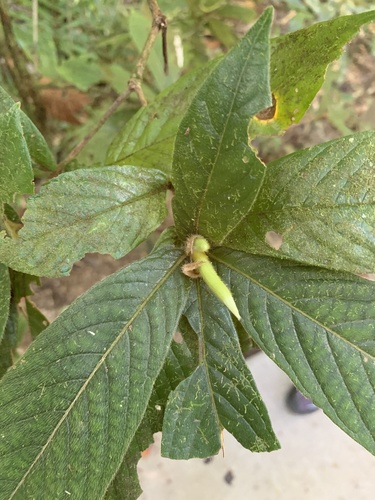
iNaturalist· cc-by-nc
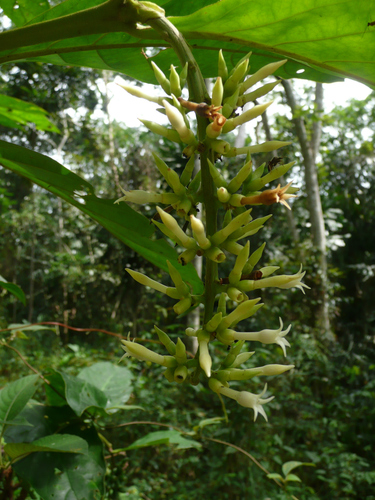
(c) Bart Wursten, some rights reserved (CC BY-NC), uploaded by Bart Wursten
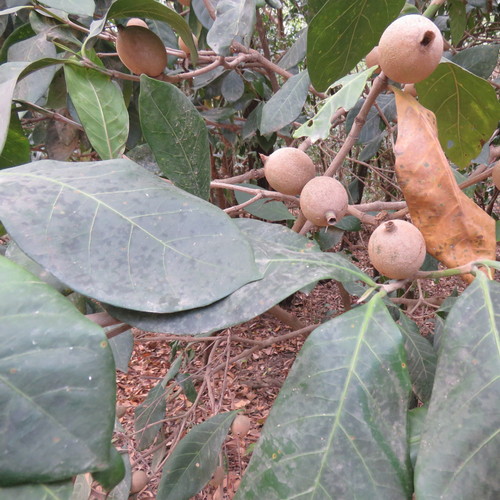
iNaturalist· cc-by-nc
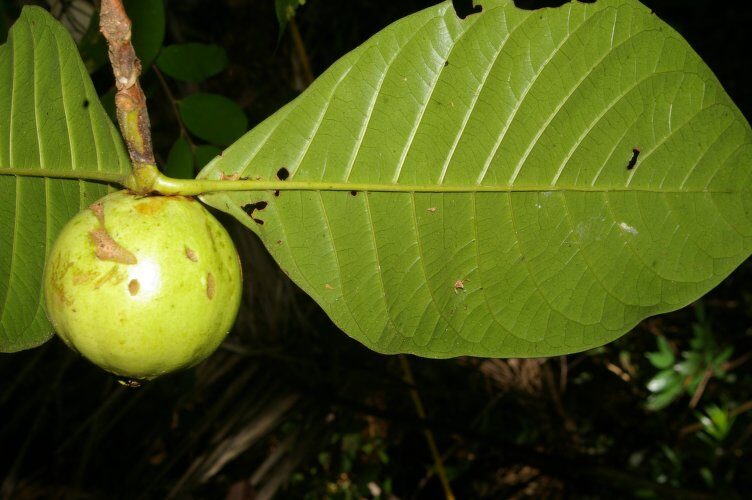
(c) Andy Goerdel - Texas Master Naturalist, Good Water Chapter, some rights reserved (CC BY-NC)
Description
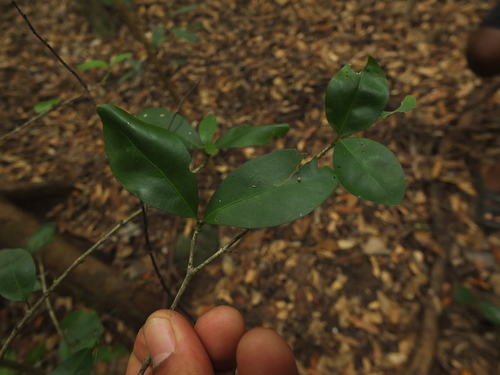
An evergreen shrub or small tree. It grows 2-10 m tall. The bark is smooth and pale grey. The leaves are simple and opposite. They are broadly oval and 13.5 cm long. They are stiff and somewhat leathery. The flowers are in groups of 30. They are yellow or cream and small. The fruit are yellow and 5-8 mm across. The fruit are edible.
Edible Uses
Fruit - raw. The fleshy fruit has a sweet flavour and is eaten as a snack. The globose, yellow-red to black berries are up to 8mm in diameter, containing a single seed.
Traditional Uses
The ripe fruit can be eaten as a snack.
This uses section is brief — help expand it
Distribution
It is a tropical plant. It grows on woodland and usually where there is a high water-table. It grows from sea level to 700 m above sea level.
Where It Grows
Africa, East Africa, Kenya, Madagascar, Mauritius, Mozambique, Seychelles, Tanzania, Zimbabwe,
Cultivation
Plants can be grown by seeds.
Other Uses
The wood is hard. It is used for building poles, withies, pegs and tool handles. The wood is used for fuel.
Production
In Tanzania fruit are collected from April to June.
Synonyms
Also Known As
Mbunisigo, Mfupapo, Mfupapu, Mkonge, Mpwizopwizo, Mshizo, Mufudzo, Mumahe
References (7)
- East African Herbarium records, 1981,
- Kenya Trees, Shrubs, Lianas, 1994, nzdl.org
- Lovett, J. C. et al, Field Guide to the Moist Forest Trees of Tanzania. p 140
- Msuya, T. S., et al, 2010, Availability, Preference and Consumption of Indigenous Foods in the Eastern Arc Mountains, Tanzania, Ecology of Food and Nutrition, 49:3, 208-227
- Mutie, F. M., et al, 2023, Important Medicinal and Food Taxa (Orders and Families) in Kenya, Based on Three Quantitative Approaches. Plants 2023, 12, 1145
Show all 7 references Hide references
- Peters, C. R., O'Brien, E. M., and Drummond, R.B., 1992, Edible Wild plants of Sub-saharan Africa. Kew. p 174
- Ruffo, C. K., Birnie, A. & Tengnas, B., 2002, Edible Wild Plants of Tanzania. RELMA p 554