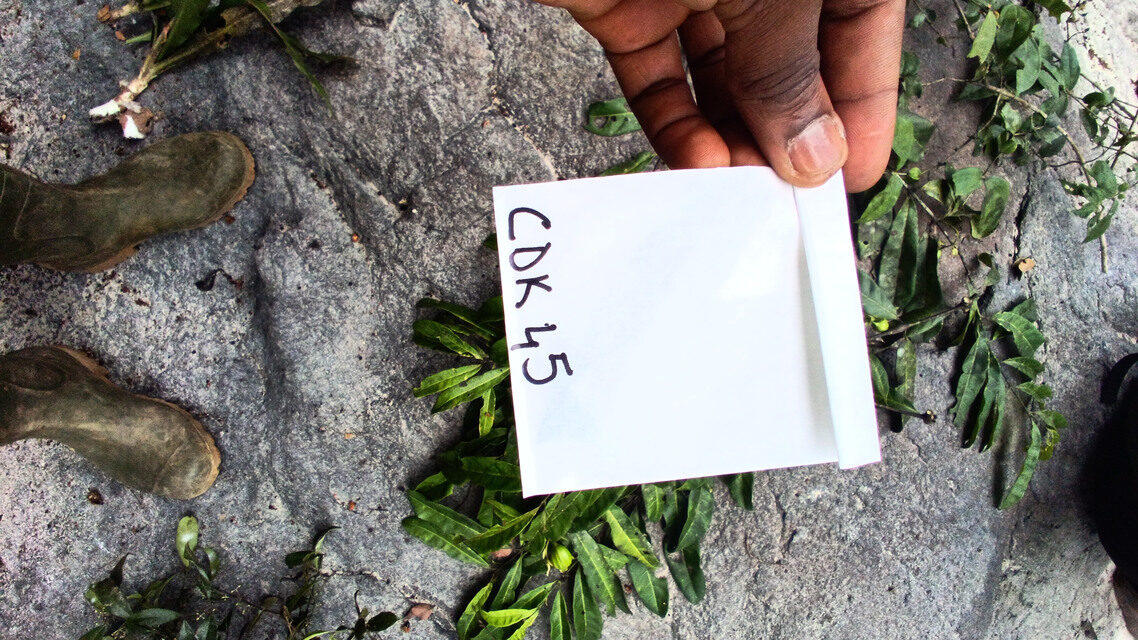
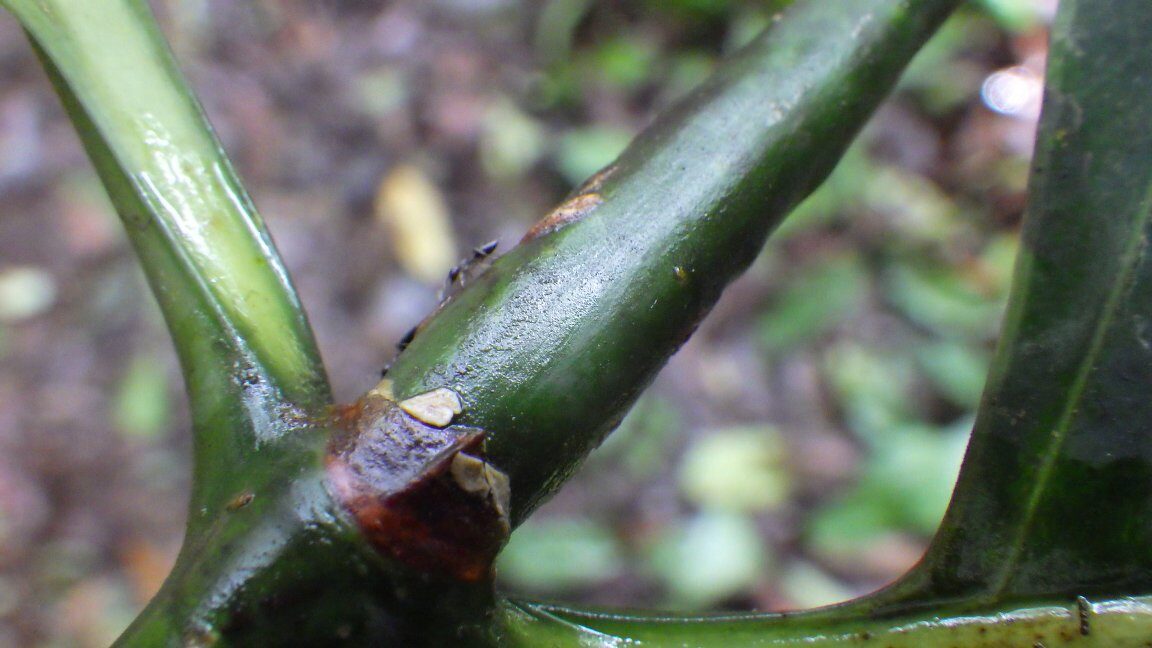
Oldenlandia auricularia
L.
Honstoria
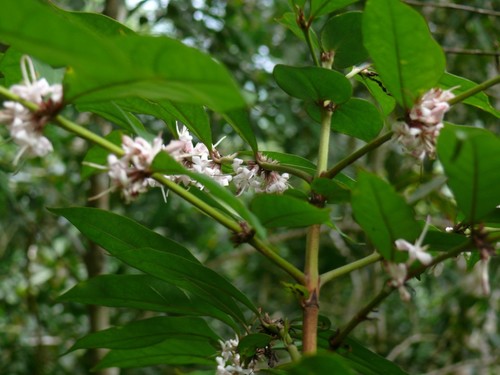
iNaturalist· cc-by-nc
(c) Dailun Shi, some rights reserved (CC BY-NC)
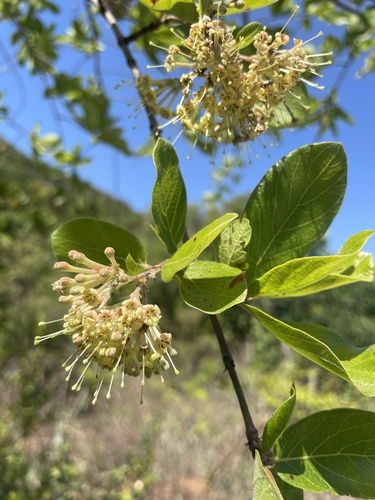
iNaturalist· cc-by-nc
(c) Dailun Shi, some rights reserved (CC BY-NC)
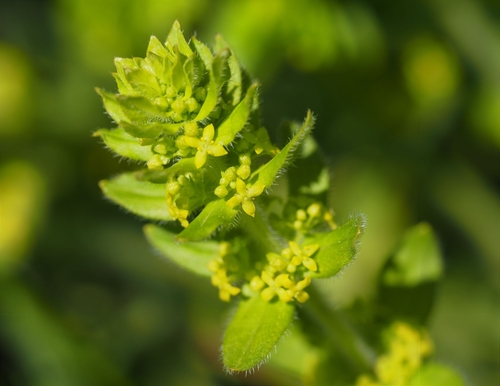
iNaturalist· cc-by-nc
(c) Dailun Shi, some rights reserved (CC BY-NC)
Description
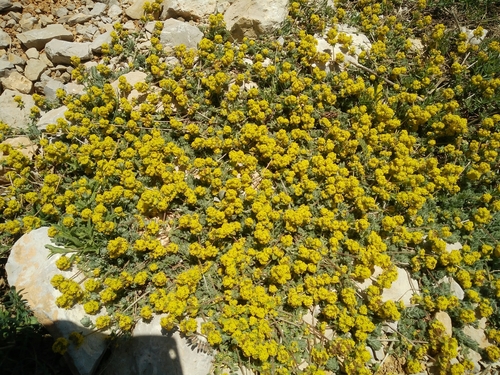
A creeping herb which keeps growing from year to year. It is 20-50 cm high and spreads 60-150 cm across. The stem is low and it has spreading branches. The stems are 4-angled. The leaves are 4-12 cm long by 1-1.4 cm wide. The leaves are narrow and tapering and are yellowish-green. The flowers are small and white. They are 0.3 cm across. The fruit is a capsule.
Edible Uses
The boiled leaves are eaten with rice.
Traditional Uses
The boiled leaves are eaten with rice.
This uses section is brief — help expand it
Distribution
A tropical plant. They suit tropical and subtropical regions. It does best in light well drained soil. It needs a protected partially shaded position. It is damaged by drought and frost.
Where It Grows
Asia, Australia, Himalayas, India, Malaysia, Maldives, Myanmar, Northeastern India, Pacific, Papua New Guinea, PNG, SE Asia, Sri Lanka,
Cultivation
Plants are grown from cuttings or division of the rootstock. They can also be grown from seed.
Notes
There are about 250-450 Hedyotis species.
Synonyms
Also Known As
Dapoli, Kerekah batu, Kudal-churiki, Langban-koukha, Muttia-lata
References (13)
- Ambasta, S.P. (Ed.), 2000, The Useful Plants of India. CSIR India. p 258 (As Hedyotis auricularia)
- Bodkin, F., 1991, Encyclopedia Botanica. Cornstalk publishing, p 543 (As Hedyotis auricularia)
- Borrell, O.W., 1989, An Annotated Checklist of the Flora of Kairiru Island, New Guinea. Marcellin College, Victoria Australia. p 123 (As Hedyotis auricularia)
- Burkill, I.H., 1966, A Dictionary of the Economic Products of the Malay Peninsula. Ministry of Agriculture and Cooperatives, Kuala Lumpur, Malaysia. Vol 1 (A-H) p 1148 (As Hedyotis auricularia)
- Cooper, W. and Cooper, W., 2004, Fruits of the Australian Tropical Rainforest. Nokomis Editions, Victoria, Australia. p 442 (As Hedyotis auricularia)
Show all 13 references Hide references
- Elliot, W.R., & Jones, D.L., 1992, Encyclopedia of Australian Plants suitable for cultivation. Vol 5 Lothian. p 260 (As Hedyotis auricularia)
- Jackes, B.R., 2001, Plants of the Tropics. Rainforest to Heath. An Identification Guide. James Cook University. p 77 (As Hedyotis auricularia)
- Jain et al, 2011, Dietary Use and Conservation Concern of Edible Wetland Plants at Indo-Burma Hotspot: A Case Study from Northeast India. Journal of Ethnobiology and Ethnomedicine 7:29 p 6 (As Hedyotis auricularia)
- Martin, F.W. & Ruberte, R.M., 1979, Edible Leaves of the Tropics. Antillian College Press, Mayaguez, Puerto Rico. p 216 (As Hedyotis auricularia)
- Peekel, P.G., 1984, (Translation E.E.Henty), Flora of the Bismarck Archipelago for Naturalists, Division of Botany, Lae, PNG. p 524, 523 (As Hedyotis auricularia)
- Singh, H.B., Arora R.K.,1978, Wild edible Plants of India. Indian Council of Agricultural Research, New Delhi. p 86 (As Oldenlandia auricularia)
- Sp. pl. 1:101. 1753 (As Hedyotis auricularia)
- Sujanapal, P., & Sankaran, K. V., 2016, Common Plants of Maldives. FAO & Kerala FRI, p 187