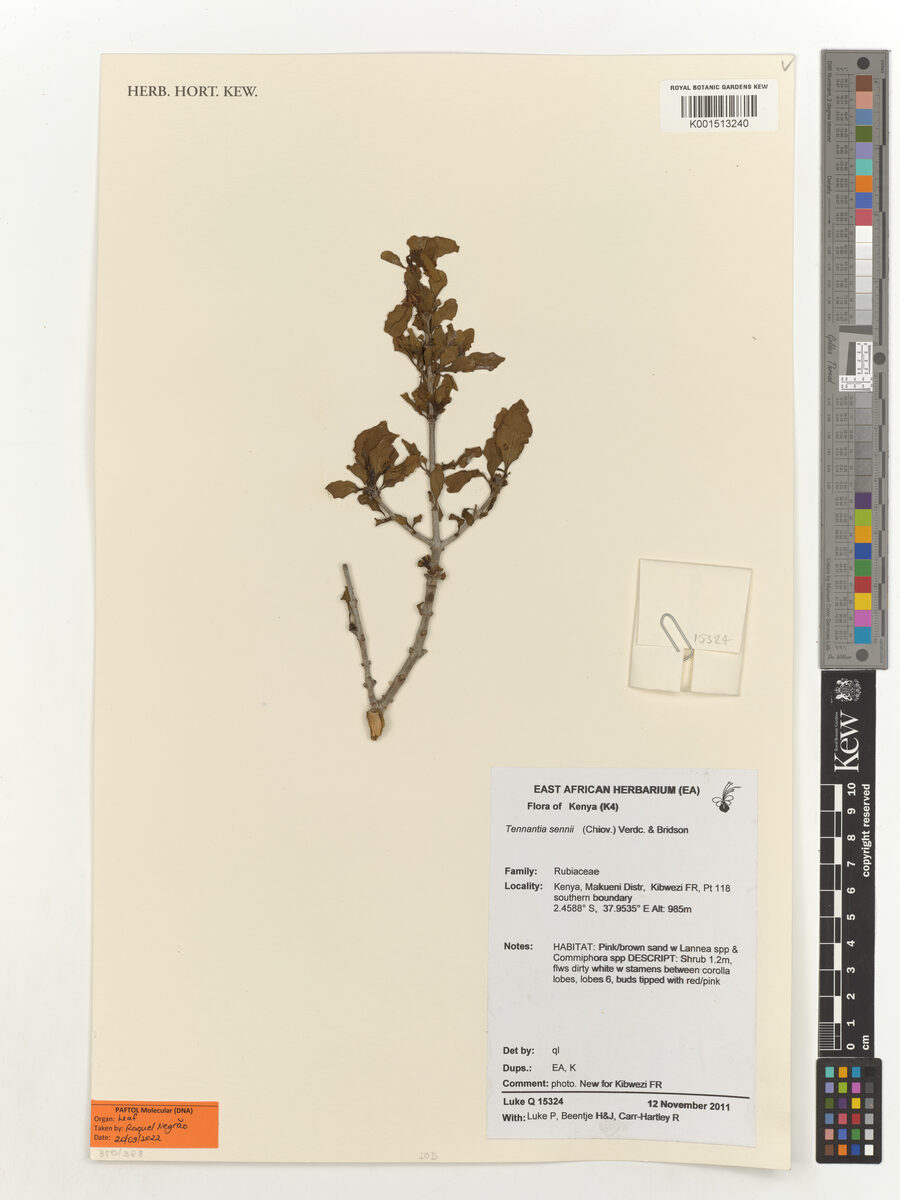
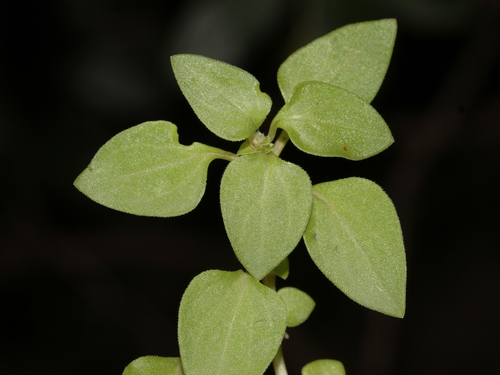
Oldenlandia corymbosa
Linn.
Old world diamond flower
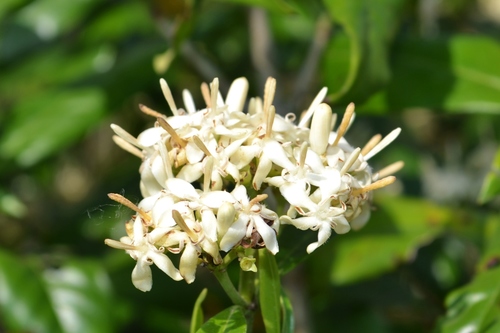
iNaturalist· cc-by-nc
(c) chiu_pei_yu, some rights reserved (CC BY-NC)
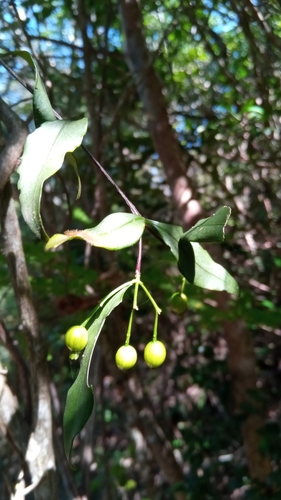
iNaturalist· cc-by-nc
(c) 眼前有景, some rights reserved (CC BY-NC), uploaded by 眼前有景
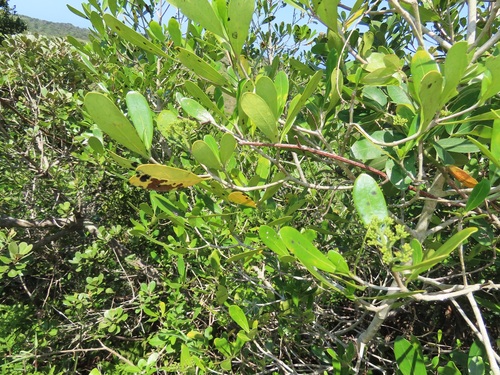
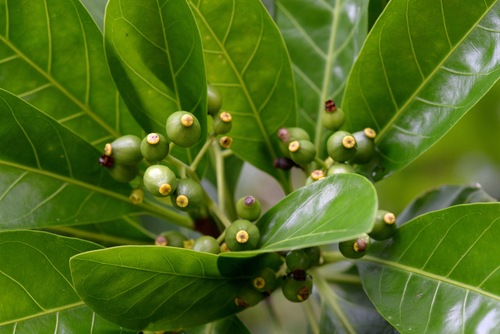
iNaturalist· cc-by-sa
(c) Douglas Goldman, some rights reserved (CC BY-SA), uploaded by Douglas Goldman
Summary
Source: WikipediaOldenlandia corymbosa, commonly known as flat-top mille graines or diamond flower, is a species of plant in the family Rubiaceae. It is a commonly used herb in China and India for treating sore eyes, anthelmintic, antirheumatic, depurative, digestive, diuretic, pectoral, fever, jaundice, child birth, and stomachic medicine, while the roots are reported to have vermifuge properties.
Description
An erect annual herb. It grows 30 cm high. The leaf blades are 1-4 cm long by 1-7 mm wide. The leaves are entire, sword shaped and opposite. The flowers are white. They are in long stalked groups. The flowers occur as 1 to several in the axils of leaves. The fruit is a half round capsule 1-2 mm long by 2-3 mm wide. The seeds are pale brown. They are 0.3 mm long. There are some varieties.
Edible Uses
The leaves and young branches are cooked and eaten, often prepared with fish or meat. The leaves and stems can be burnt, and the ash mixed with water, filtered, and used as a vegetable tenderizer; the ash can be stored for several months.
Traditional Uses
The leaves and young branches are cooked and eaten. They are often cooked with fish or meat. The leaves and stems are burnt and the ash mixed with water then filtered and used as a tenderiser for other vegetables. The ash can be stored for several months.
Medicinal Uses
The leaves are pounded, soaked in warm water and the liquid drunk to treat stomach disorders. They are used externally as a poultice to treat sores and sore eyes. The entire plant is used in decoction as an anthelmintic, antirheumatic, depurative, diaphoretic, digestive, diuretic, febrifuge, pectoral and stomachic. In India, it is a common ingredient in mixtures used internally to treat remittent fevers, gastric irritation, nervous depression and as a tonic. It is also used to treat jaundice and other liver conditions. In Chinese medicine it is used to treat viral infections, cancer, acne, boils, appendicitis, hepatitis, eye problems and bleeding. In Africa it is used to facilitate childbirth. The juice of the plant is applied to the hands and feet to cool them when the patient has a fever. The roots are reported to have vermifuge properties. They are often used as a tincture. The plant contains 0.12% of the alkaloids biflorine and biflorone, which are interconvertable, The content of biflorone increases in stored plants at the expense of biflorine.
Distribution
It is a tropical and subtropical plant. It occurs between 450-1,450 m above sea level. It grows in open areas with grass or damp shady areas.
Where It Grows
Africa, Asia, Bangladesh, British Indian Ocean Terr., BIOT, Burkina Faso, Cameroon, Central Africa, Central African Republic, CAR, Côte d'Ivoire, Dominican Republic, East Africa, Gabon, Guiana, Guianas, Guinea, Guinée, Guinea-Bissau, Guyana, India, Ivory Coast, Kenya, Korea, Malawi, Mozambique, Myanmar, Nigeria, Northeastern India, Pacific, Sao Tome and Principe, SE Asia, Senegal, Sierra Leone, South America, Suriname, Tuvalu, Venezuela, West Africa, West Indies, Zambia, Zimbabwe,
Cultivation
Plants can be grown from seed or cuttings.
Other Uses
The roots yield a green dye known as 'gerancine' after reatment with a mordant.
Production
Leaves are collected during the rainy season.
Other Information
It is sold in local markets in China.
Synonyms
Also Known As
Bel-belguel, Bonjaluk, Deushri atheng, Hingalar, Khethpapra, Mkeyamasha, Nyangulunga, Tuntini
References (13)
- Baro, D., Baruah, S. and Borthukar, S. K. 2015, Documentation on wild vegetables of Baksa district, BTAD (Assam). Scholars Research Library. Archives of Applied Science Research, 2015, 7 (9):19-2
- Burkill, H. M., 1985, The useful plants of west tropical Africa, Vol. 4. Kew.
- Deka, N. & Devi, N., 2015, Wild edible aquatic and marshland angiosperms of Baka district, BTC area, Assam, India. Asian J. Plant Sci. Res. 5(1):32-48
- Fowler, D. G., 2007, Zambian Plants: Their Vernacular Names and Uses. Kew. p 84
- Grubben, G. J. H. and Denton, O. A. (eds), 2004, Plant Resources of Tropical Africa 2. Vegetables. PROTA, Wageningen, Netherlands. p 563
Show all 13 references Hide references
- Li, D. et al, 2017, Ethnobotanical survey of herbal tea plants from the traditional markets in Chaoshan, China. Journal of Ethnopharmacology. 205 (2017) 195-206 (As Hedyotis corymbosa)
- Narzary, H., et al, 2013, Wild Edible Vegetables Consumed by Bodo tribe of Kokrajhar District (Assam), North-East India. Archives of Applied Science Research, 5(5): 182-190
- Patiri, B. & Borah, A., 2007, Wild Edible Plants of Assam. Geethaki Publishers. p 67 (Hedyotis corymbosa)
- Ruffo, C. K., Birnie, A. & Tengnas, B., 2002, Edible Wild Plants of Tanzania. RELMA p 492
- Saikia, M., 2015, Wild edible vegetables consumed by Assamese people of Dhemaji District of Assam, NE India and their medicinal values. Archives of Applied Science Research, 2015, 7 (5):102-109 (As Hedyotis corymbosa L.) Lamk.)
- Sakar, A. & Das, A. P., 2018, The traditional knowledge on edible wild leafy vegetables of Rabha Tribe in Duars of North Bengal: a potential reinforcement to food security. Pleione 12(2): 275 - 281. 2018.
- Thaman, R. R, 2016, The flora of Tuvalu. Atoll Research Bulletin No. 611. Smithsonian Institute p 111
- Topp, J. M. W., 1988, An Annotated Check List of the Flora of Diego Garcia, British Ocean Territory. Atoll Research Bulletin No. 313