Abutilon fruticosum
Guill. & Perr.
Texas Indian mallow
iNaturalist· cc-by-nc
(c) plantperson7654, some rights reserved (CC BY-NC)
iNaturalist· cc-by-nc
(c) John Brush, some rights reserved (CC BY-NC)
iNaturalist· cc-by-nc
(c) Ron Chang (curated by Cat Chang), some rights reserved (CC BY-NC), uploaded by Ron Chang (curated by Cat Chang)
Summary
Source: WikipediaAbutilon fruticosum is a widespread species of flowering plant in the mallow family known by the common names Texas Indian mallow, pelotazo, and sweet Indian mallow.
Description
A shrub or small tree. It grows 5 m tall. There are prickles along the stem. The leaves are twice divided and there are 8-18 pairs of pinnae. There are up to 50 pairs of pinnules on each pinnae. The flowers are yellow. They are in large clusters at the ends of branches. The pods are flattened.
Edible Uses
The fruit is edible.
Distribution
It is a subtropical plant. It grows in well-drained soils that can be rocky or sandy. It is often over limestone material. It grows between 275-1,800 m above sea level. It can tolerate shade. It can grow in arid places.
Where It Grows
Africa, Asia, Botswana, Burkina Faso, East Africa, Ethiopia, Kenya, Namibia, Pakistan, Senegal, Somalia, South Africa, Southern Africa, USA, West Africa, Zimbabwe,
Cultivation
Plants can be grown by seeds.
Other Information
Probably minor
Notes
There are about 100-160 Abutilon species.
Synonyms
Also Known As
Mogoloreomoswu, Omutopiri, Otjindwapa, Wancad
References (5)
- East African Herbarium records, 1981,
- Flora of Pakistan. www.eFloras.org
- Mutie, F. M., et al, 2023, Important Medicinal and Food Taxa (Orders and Families) in Kenya, Based on Three Quantitative Approaches. Plants 2023, 12, 1145
- Peters, C. R., O'Brien, E. M., and Drummond, R.B., 1992, Edible Wild plants of Sub-saharan Africa. Kew. p 143
- Royal Botanic Gardens, Kew (1999). Survey of Economic Plants for Arid and Semi-Arid Lands (SEPASAL) database. Published on the Internet; http://www.rbgkew.org.uk/ceb/sepasal/internet [Accessed 3rd May 2011]
More from Malvaceae
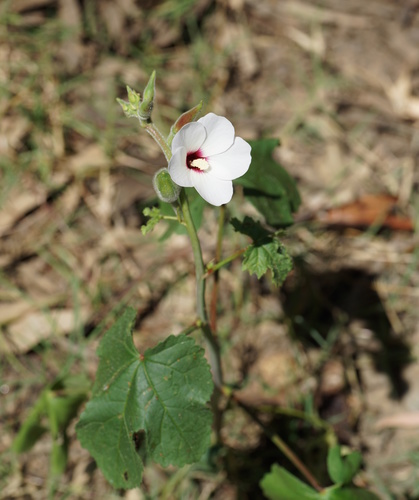
Abelmoschus ficulneus
Native rosella, White wild musk mallow
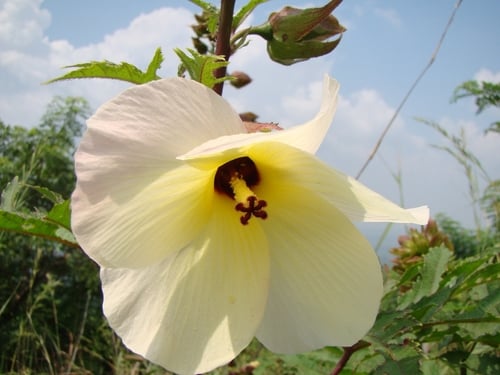
Abelmoschus manihot
Aibika, Edible Hibiscus
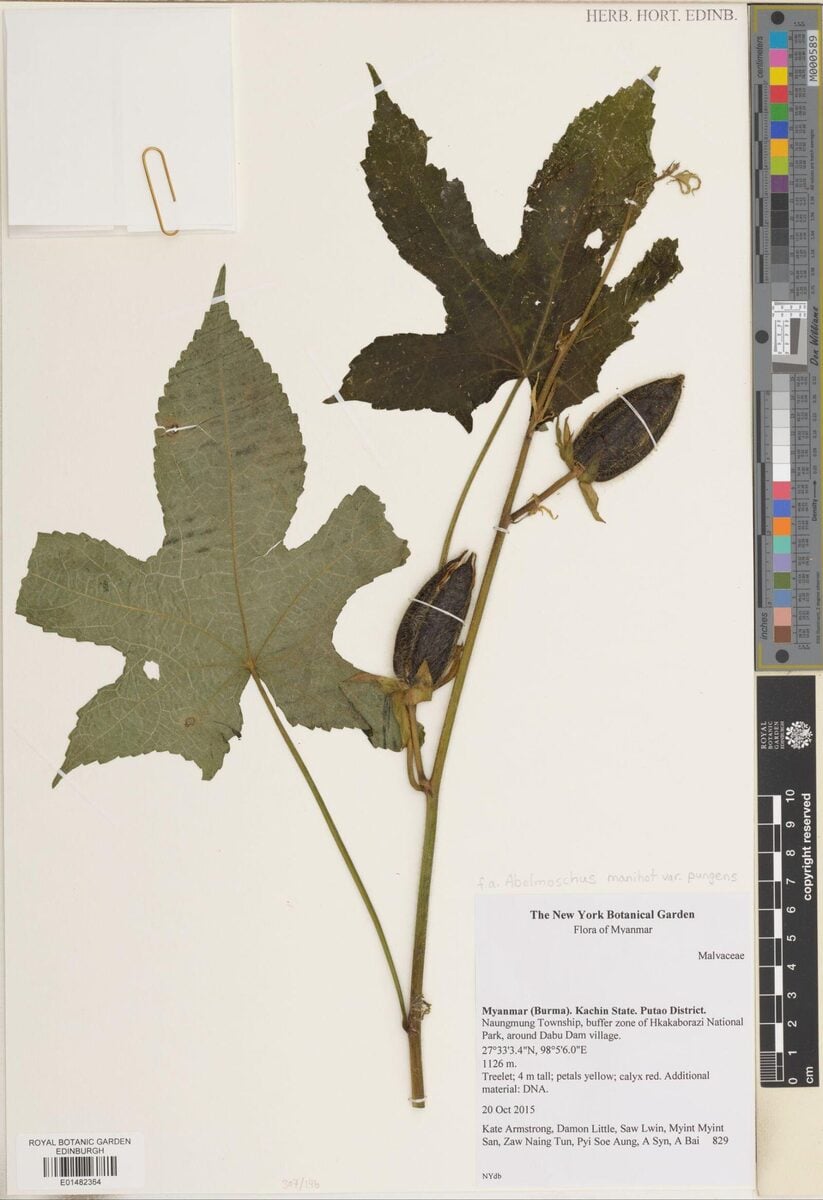
Abelmoschus manihot var. pungens
Kabasi
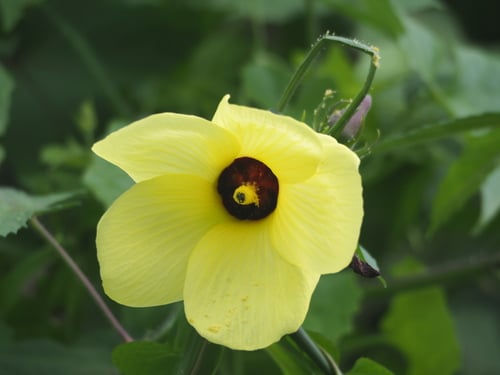
Abelmoschus moschatus
Musk mallow, Bush carrot
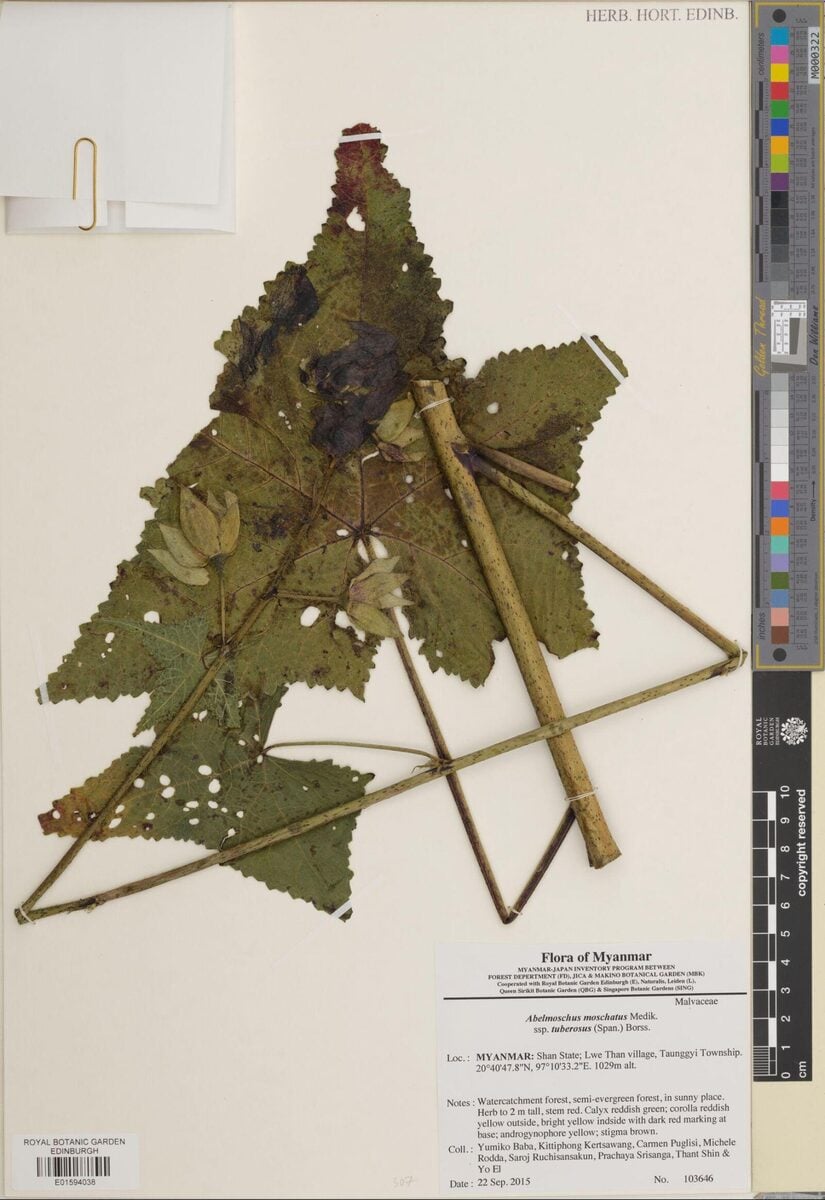
Abelmoschus moschatus subsp. tuberosus
Climbing hibiscus, Musk mallow
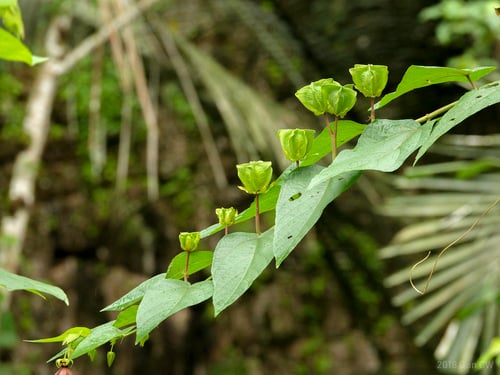
Abroma augusta
Perennial Indian hemp, Maria herrania