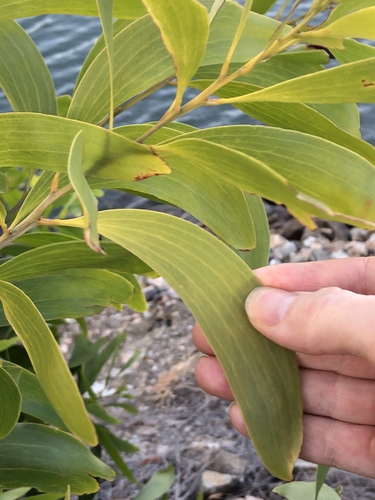
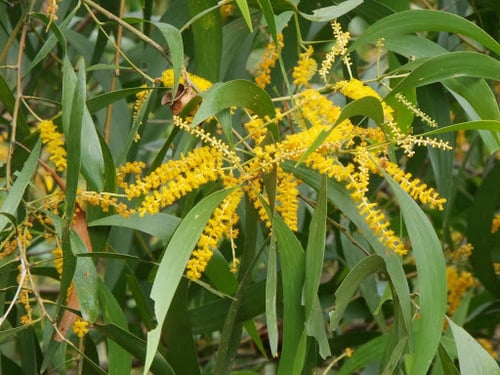
Eriosema cordifolium
Hochst. ex A. Rich.
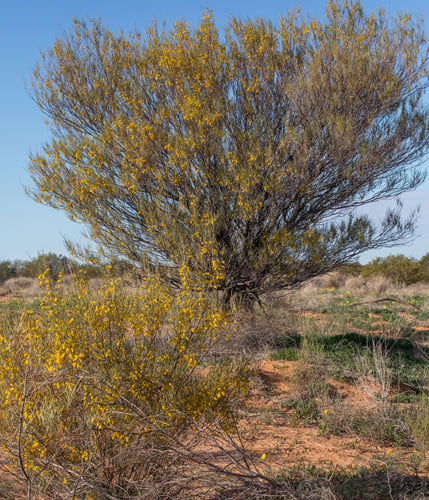
iNaturalist· cc-by-nc-sa
(c) Pádraic Flood, some rights reserved (CC BY-NC-SA)
iNaturalist· cc-by-nc-sa
(c) Pádraic Flood, some rights reserved (CC BY-NC-SA)
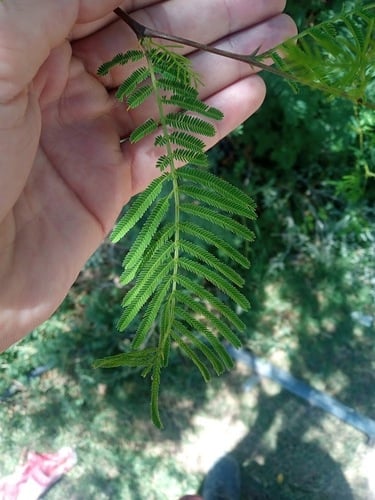
iNaturalist· cc-by-nc-sa
(c) Pádraic Flood, some rights reserved (CC BY-NC-SA)
Description
A slender herb. It keeps growing from year to year. It grows 20-30 cm long. It has a root-stock that is turnip shaped. It is 1.5 cm across and 2-3 cm long.
Edible Uses
The tuberous root-stock is peeled and eaten raw or cooked, especially by children.
Traditional Uses
The tuberous root stock is peeled and eaten raw or cooked.
This uses section is brief — help expand it
Distribution
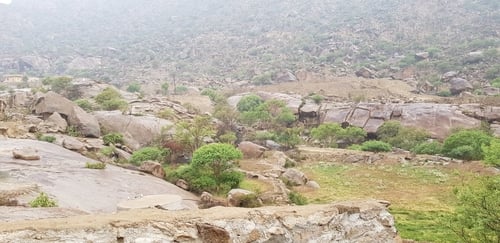
It is a tropical plant. It grows in grassy savannah in upland situations in West Africa. In Central Africa it grows between 1,500-1,800 m above sea level.
Where It Grows
Africa, Angola, Central Africa, Central African Republic, CAR, Congo DR, East Africa, Ethiopia, Kenya, Nigeria, Rwanda, Sudan, Uganda, West Africa,
Propagation
Like many species within the family Fabaceae, once they have ripened and dried the seeds of this species may benefit from scarification before sowing in order to speed up and improve germination. This can usually be done by pouring a small amount of nearly boiling water on the seeds (being careful not to cook them!) and then soaking them for 12 - 24 hours in warm water. By this time they should have imbibed moisture and swollen - if they have not, then carefully make a nick in the seedcoat (being careful not to damage the embryo) and soak for a further 12 hours before sowing.
Other Information
It is eaten especially by children.
Synonyms
Also Known As
Kokota, Maeswo, Shilingo, Silinga, Yemirid-kolo
References (15)
- Addis, G., et al, 2005, Ethnobotanical Study of Edible Wild Plants in Some Selected Districts of Ethiopia. Human Ecology, Vol. 33, No. 1, pp. 83-118
- Asfaw, Z., Conservation and use of traditional vegetables in Ethiopia. FAO
- Asfaw, Z. and Tadesse, M., 2001, Prospects for Sustainable Use and Development of Wild Food Plants in Ethiopia. Economic Botany, Vol. 55, No. 1, pp. 47-62
- Burkill, H. M., 1985, The useful plants of west tropical Africa, Vol. 3. Kew.
- Dalziel, 1937,
Show all 15 references Hide references
- Demise, S. & Asfaw, Z., 2020, Ethno Botanical Study of Wild Edible Plants in Adola District, Southern, Ethiopia. International Journal of Research and Analytical Reviews (IJRAR) 7(2).
- Grivetti, L. E., 1980, Agricultural development: present and potential role of edible wild plants. Part 2: Sub-Saharan Africa, Report to the Department of State Agency for International Development. p 24
- L. Hauman, A. Cronquist, R. Boutique, R. Majot-Rochez, P. Duvigneaud, W. Robyns and R. Wilczek (1954) Flore du Congo Belge et du Ruanda-Urundi: Papilionaceae (Dalbergieae, Vicieae et Phaseoleae). vol. 6,
- ILDIS Legumes of the World http:www:ildis.org/Legume/Web
- Kew Plants of the World Online
- Lulekal, E., et al, 2011, Wild edible plants in Ethiopia: a review on their potential to combat food insecurity. Afrika Focus - Vol. 24, No 2. pp 71-121
- Peters, C. R., O'Brien, E. M., and Drummond, R.B., 1992, Edible Wild plants of Sub-saharan Africa. Kew. p 133
- Sina, B. & Degu, H. D., 2015, Knowledge and use of Wild Edible Plants in the Hula District of the Sidama Zone. International Journal of Bio-resource and Stress Management 6(3):352-365
- The Digital Flora of Central Africa, 2013, (Democratic Republic of Congo, Rwanda & Burundi) Botanical Garden Meise
- World Checklist of Useful Plant Species 2020. Royal Botanic Gardens, Kew