Pimelodendron griffithianum
(Muell. Arg.) Benth.
iNaturalist· cc-by-nc-nd
(c) loupok, some rights reserved (CC BY-NC-ND)
iNaturalist· cc-by-nc
(c) Muhd Nasry, some rights reserved (CC BY-NC)
iNaturalist· cc-by-nc
(c) Muhd Nasry, some rights reserved (CC BY-NC)
Description
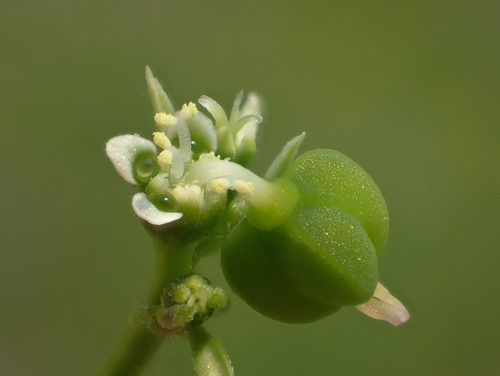
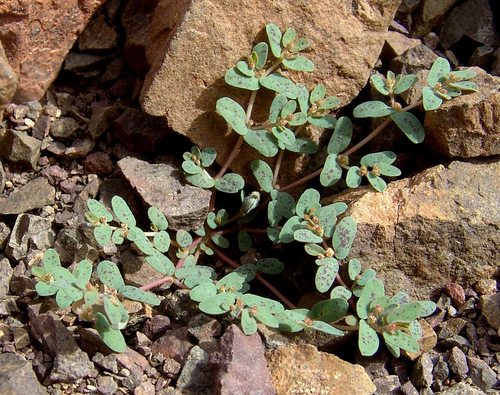
A tree. It grows 32 m tall. The trunk is 37 cm across. The leaves are alternate and simple. They are usually crowded near the tip or twigs. The flowers are 3 mm across and pale yellow. The fruit are 24 mm across. They are fleshy.
Edible Uses
The fruit and seeds are eaten, and the seeds are used as a spice.
Distribution
It is a tropical plant.
Where It Grows
Asia, Brunei, Indonesia, Malaysia, Philippines, SE Asia, Thailand,
Synonyms
Pimelodendron acuminatum Merr.Pimelodendron borneense Warb.Pimelodendron papaveroides J. J. SmithStomatocalyx griffithianus Mull.Arg.
Also Known As
Buah mambur, Kelampai sitak, Mampulut, Murung, Njulir, Perah Ikan, Pulai, Tampang
References (6)
- Burkill, I.H., 1966, A Dictionary of the Economic Products of the Malay Peninsula. Ministry of Agriculture and Cooperatives, Kuala Lumpur, Malaysia. Vol 2 (I-Z) p 1756 (As Pimelodendron papaveroides)
- Hanum, F. I., 1999, Plant Diversity and Conservation Value of Ayer Hitam Forest, Selangor, Peninsula Malaysia. Pertanika J. Trop. Agric. Sci. 22(2):73-83
- Saw, L.G., LaFrankie, J. V. Kochummen, K. M., Yap S. K., 1991, Fruit Trees in a Malaysian Rain Forest. Economic Botany, Vol. 45, No. 1, pp. 120-136
- Slik, F. asianplant.net
- Sosef, M. S. M., Hong, L. T., & Prawirohatmodjo, S. (Eds.), 1998, Timber tree: Lesser-known timbers. Plant Resources of South-East Asia, 5(3), p 448
Show all 6 references Hide references
- World Checklist of Useful Plant Species 2020. Royal Botanic Gardens, Kew