Brassica elongata
Ehrh.
iNaturalist· cc-by-nc
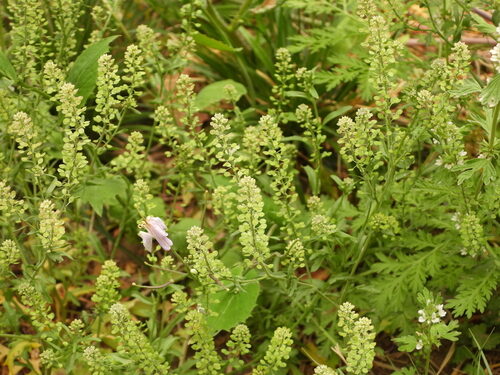
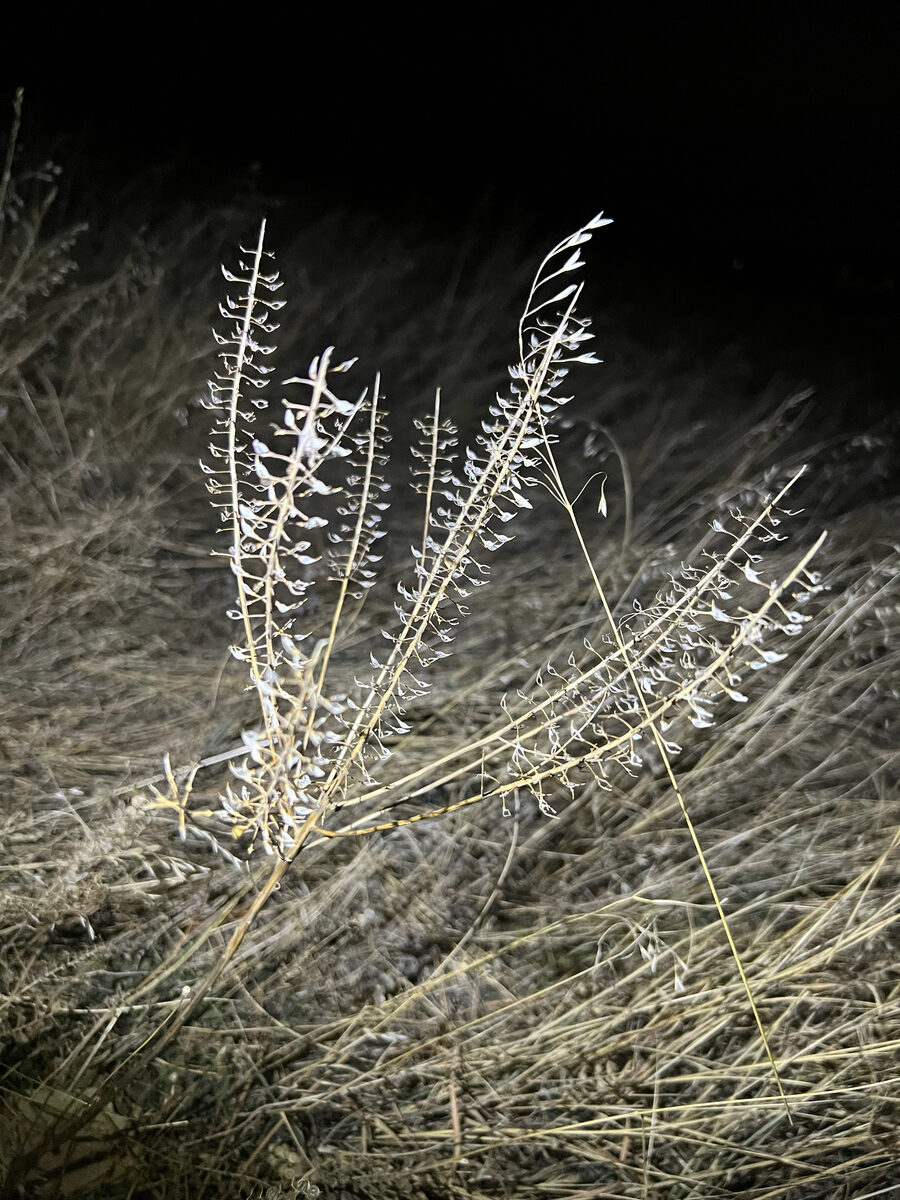
(c) Еlena, some rights reserved (CC BY-NC), uploaded by Еlena
iNaturalist· cc-by-nc
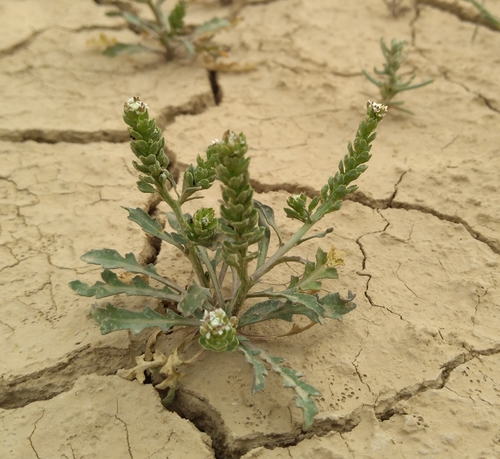
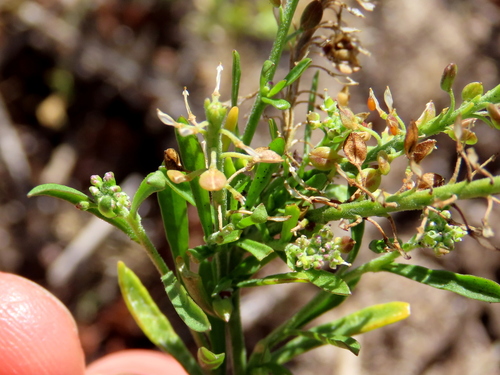
(c) Еlena, some rights reserved (CC BY-NC), uploaded by Еlena
iNaturalist· cc-by-nc
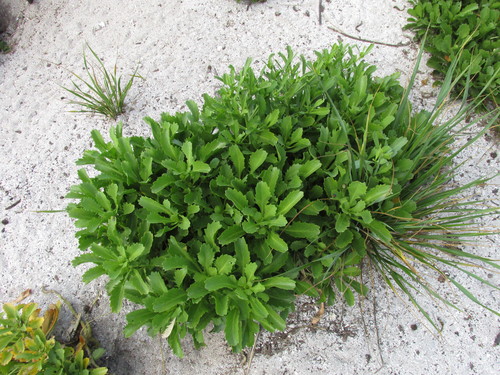
(c) Теймуров А.А., some rights reserved (CC BY-NC), uploaded by Теймуров А.А.
Summary
Source: WikipediaBrassica elongata, the elongated mustard or long-stalked rape, is a species of the mustard plant that is native to parts of Central Europe, Eastern Europe, the Balkan Peninsula, the Caucasus, Morocco and parts of Central Asia. Through plant invasion this species has become naturalized in many other parts of the world. Some of these naturalized regions include South Africa, North Western Europe, Australia and North America. Given the wide range of climate and ecological conditions of these regions, B. elongata has been able to disrupt the ecosystems of their native plant habitats and has been label as an invasive species in many of its naturalized zones. In North America, this species is often found as a roadside weed in the southwestern states, particularly in the state of Nevada. Studies allude that the Cruciferae might have migrated through the Bering land bridge from what is now Central Asia. Commonly known as the long-stalked rape or as langtraubiger Kohl in German, this species is a close cousin to Brassica napus (rapeseed) and a secondary genetic relative to B. oleracea (kale). As a close genetic species of the rapeseed, the long-stalked rape has one of the highest counts of accumulated polyunsaturated linoleic and linolenic acid. Both compounds are heavily used to manufacture vegetable oils. Brassica elongata has the propagative potential of turning into a horticultural product from what is currently a noxious weed.
Description
A cabbage family herb. It grows for 2 or several years. It grows 50-100 cm tall. The stems are erect and branched. The lower leaves have long leaf stalks. They are oblong or sword shaped. They are 8 cm long.
Edible Uses
Edible Parts: Leaves Oil Oil Edible Uses: Oil Oil Leaves - cooked. An edible oil is obtained from the seed.
Medicinal Uses
None known
Distribution
It is a temperate plant. It grows on the steppes in western China between 900-2,400 m above sea level.
Where It Grows
Afghanistan, Africa, Asia, Australia, Botswana, Central Asia, China, Europe, Kazakhstan, North America, Russia, Siberia, Tajikistan, Turkmenistan, Uzbekistan,
Cultivation
Succeeds in full sun in a well-drained fertile preferably alkaline soil. Succeeds in any reasonable soil.
Propagation
Seed - sow spring or autumn in situ.
Other Uses
Oil Oil The seed contains up to 34% of an edible oil that can also be used for lighting, making paints etc. Special Uses
Notes
There are about 30 Brassica species and many cultivated varieties.
References (4)
- Beitr. Naturk. 7:159. 1792
- Flora of China @ efloras.org Volume 8
- Plants for a Future database, The Field, Penpol, Lostwithiel, Cornwall, PL22 0NG, UK. http://www.scs.leeds.ac.uk/pfaf/
- Zhou Taiyan, Lu Lianli, Yang Guang, Ihsan A. Al-Shehbaz, BRASSICACEAE (CRUCIFERAE), Flora of China.