Descurainia pinnata subsp. halictorum
(Cockerell) Detling
Palmita
iNaturalist· cc-by-nc
(c) Chuck Sexton, some rights reserved (CC BY-NC), uploaded by Chuck Sexton
iNaturalist· cc0
no rights reserved
iNaturalist· cc-by-nc
(c) Chuck Sexton, some rights reserved (CC BY-NC), uploaded by Chuck Sexton
Summary
Source: WikipediaDescurainia pinnata is a species of flowering plant in the family Brassicaceae known by the common names southeastern tansymustard and western tansymustard. It is native to North America, where it is widespread and found in varied habitats. It is especially successful in deserts. It is a hardy plant which easily becomes weedy, and can spring up in disturbed, barren sites with bad soil. This is a hairy, heavily branched, mustardlike annual which is quite variable in appearance. There are several subspecies which vary from each other and individuals within a subspecies may look different depending on the climate they endure. This may be a clumping thicket or a tall, erect mustard. It generally does not exceed 70 centimeters in height. It has highly lobed or divided leaves with pointed, toothed lobes or leaflets. At the tips of the stem branches are tiny yellow flowers. The fruit is a silique one half to two centimeters long upon a threadlike pedicel. This plant reproduces only from seed. This tansymustard is toxic to grazing animals in large quantities due to nitrates and thiocyanates; however, it is nutritious in smaller amounts. The flowers are attractive to butterflies. The seeds are said to taste somewhat like black mustard and were utilized as food by Native American peoples such as the Navajo.
Description
A cabbage family herb. It is an annual plant. The leaves are finely divided. The fruit pods are short and flat.
This description is brief — help expand it
Edible Uses
Young leaves are eaten as a vegetable, and seeds are a minor source of oil.
Traditional Uses
The young leaves are eaten. The seeds are a minor source of oil.
This uses section is brief — help expand it
Distribution
It is a tropical plant. It grows between 30-1,800 m above sea level.
Where It Grows
Mexico, North America, USA,
Synonyms
References (3)
- Beckstrom-Sternberg, Stephen M., and James A. Duke. "The Foodplant Database." http://probe.nalusda.gov:8300/cgi-bin/browse/foodplantdb.(ACEDB version 4.0 - data version July 1994) (As Sophia halictorum)
- Kermath, B. M., et al, 2014, Food Plants in the Americas: A survey of the domesticated, cultivated and wild plants used for Human food in North, Central and South America and the Caribbean. On line draft. p 301
- Martin, P. S. et al, (Eds.), 1998, Gentry's Rio Mayo Plants. The Tropical Deciduous Forest & Environs of Northwest Mexico. University of Arizona Press. p 270
More from Brassicaceae
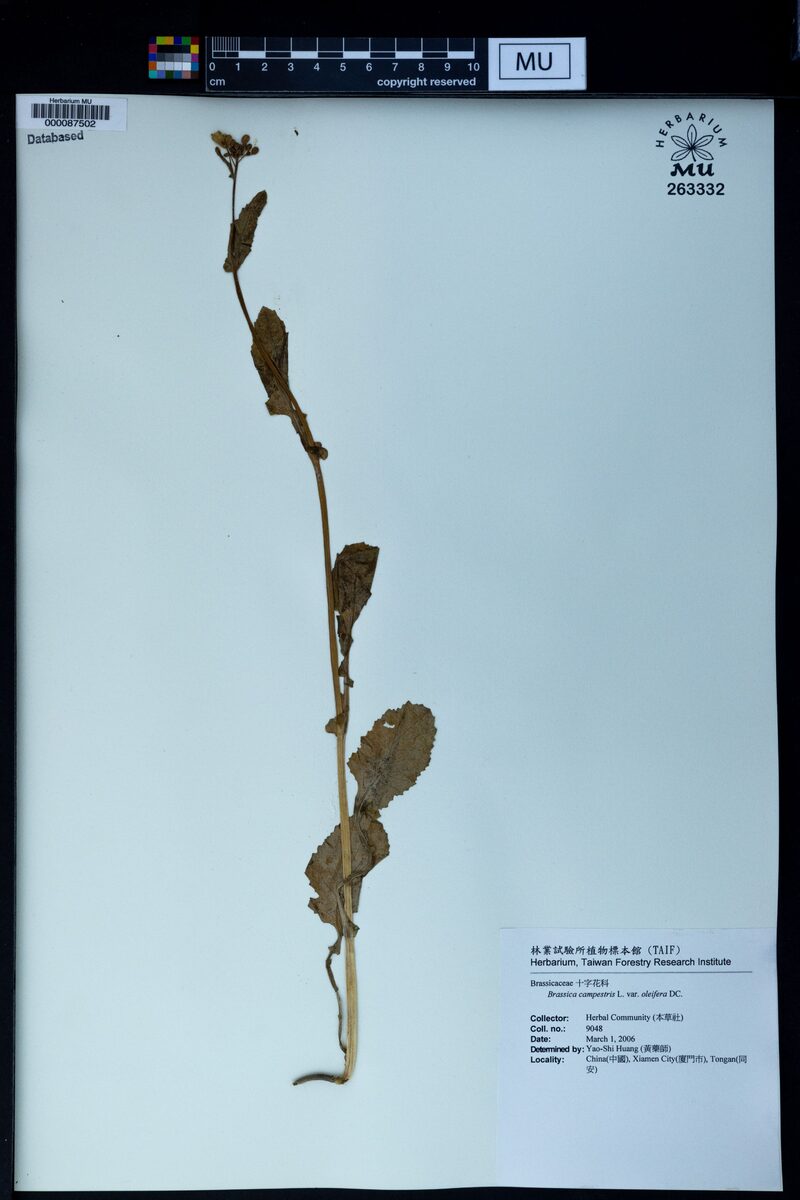
Brassica rapa oleifera - (DC.)Metzg.
Stubble Turnip
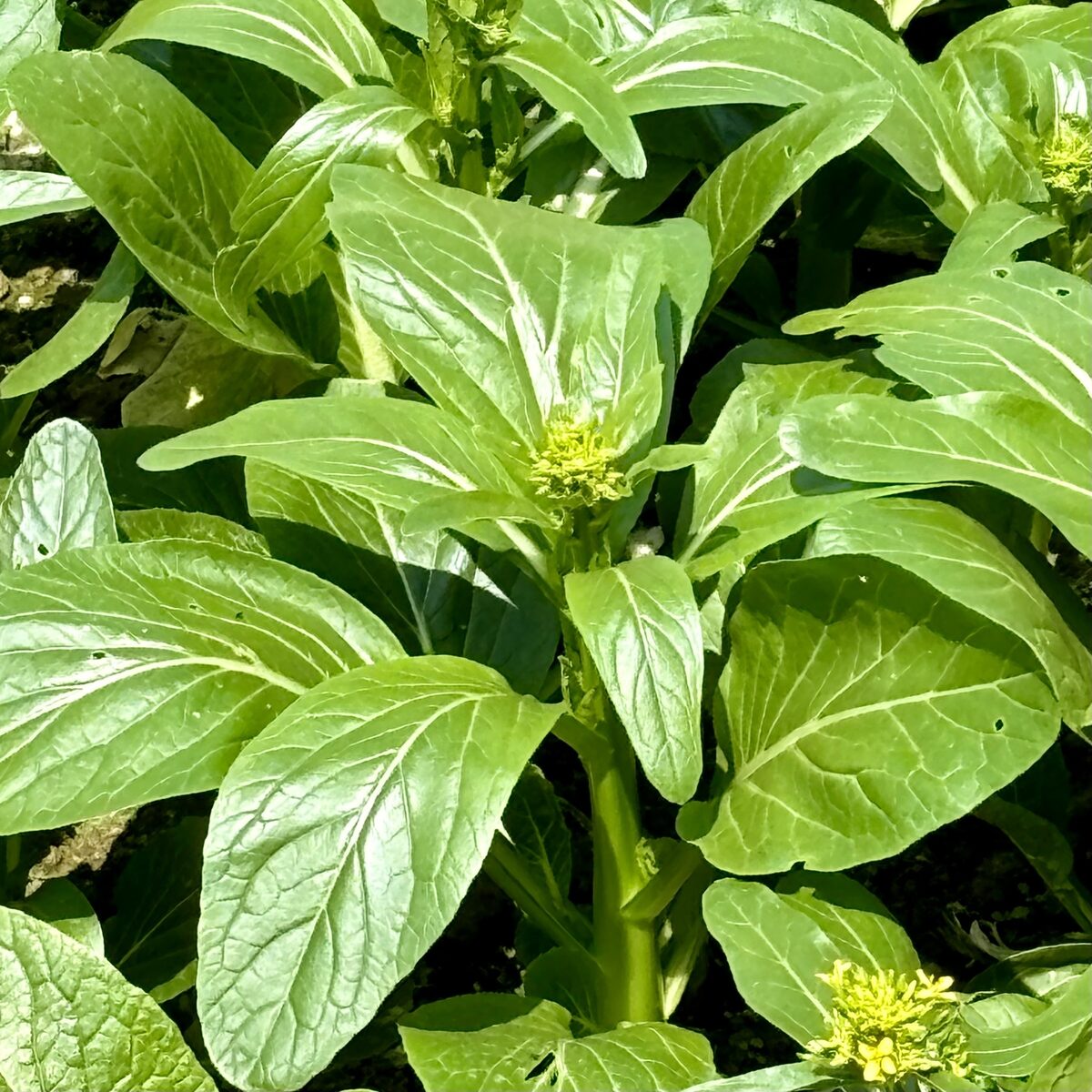
Brassica rapa parachinensis - (L.H.Bailey.)Hanelt.
False Pak Choi
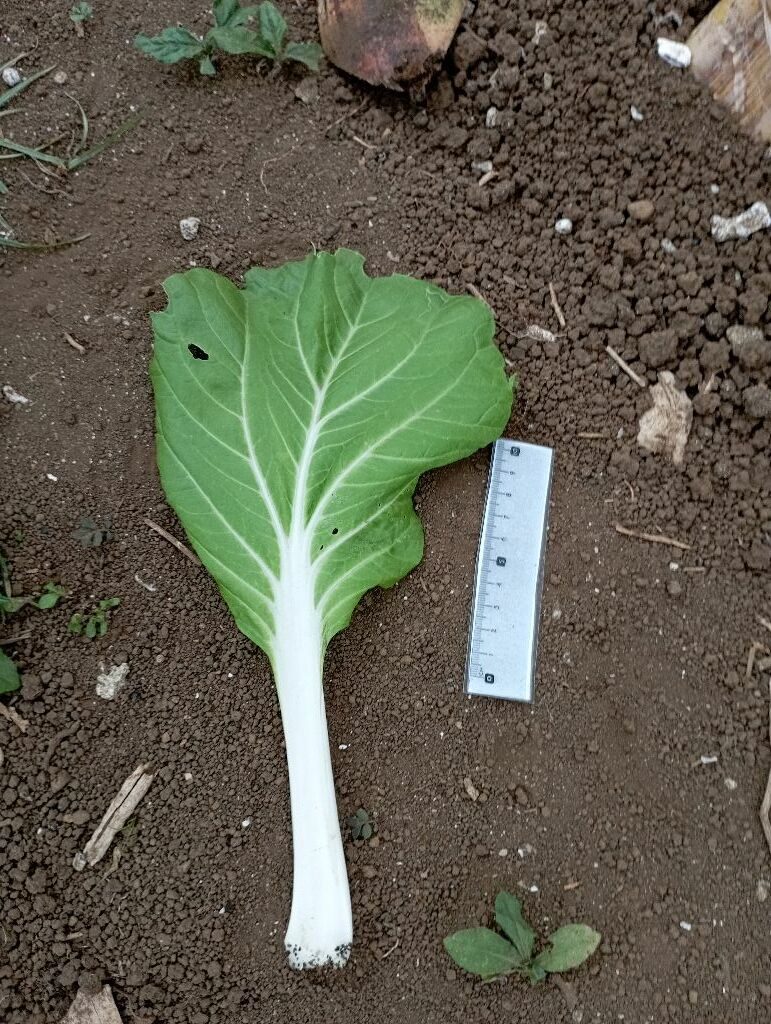
Brassica rapa pekinensis - (Lour.)Hanelt.
Chinese Cabbage
Brassica rapa perviridis
Mustard Spinach
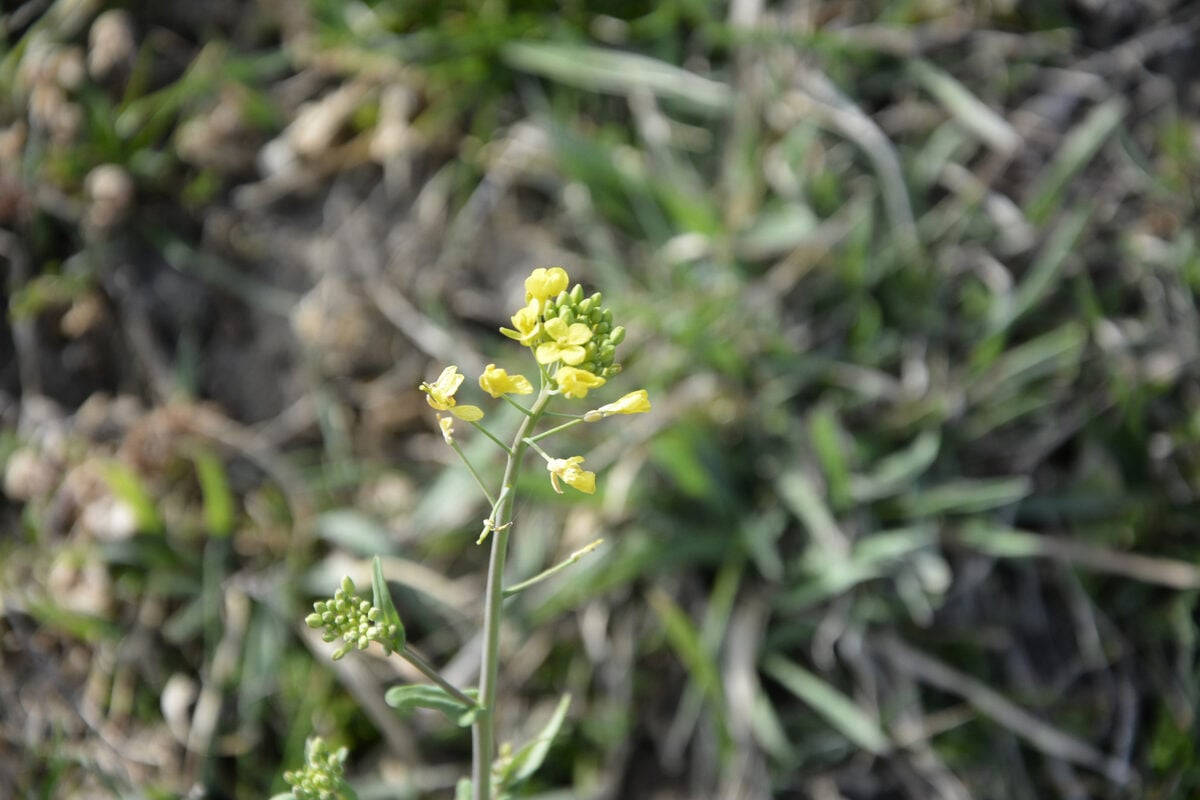
Brassica rapa subsp. campestris
Wild turnip
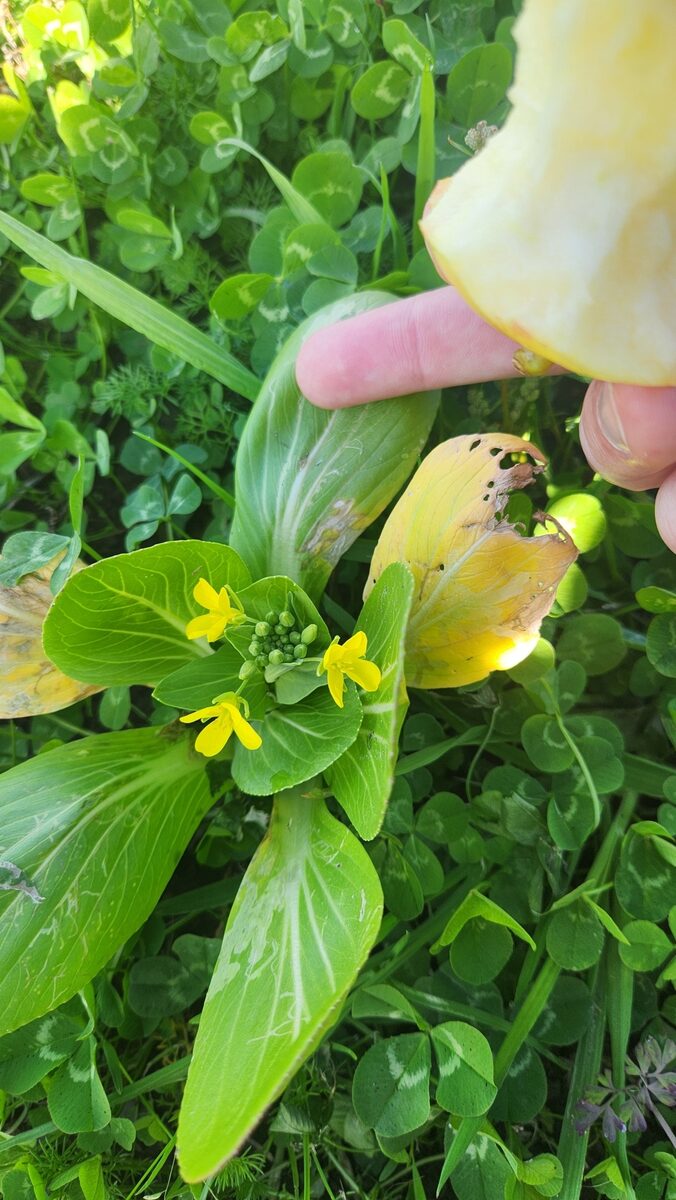
Brassica rapa subsp. chinensis
Bok-choy Celery cabbage