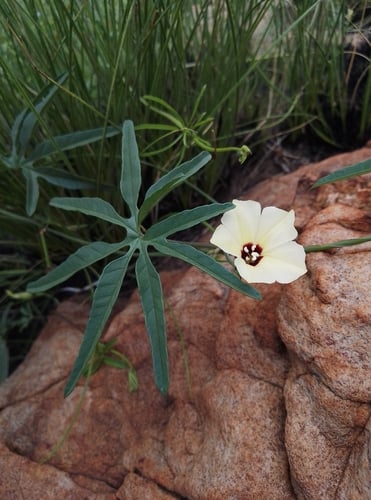
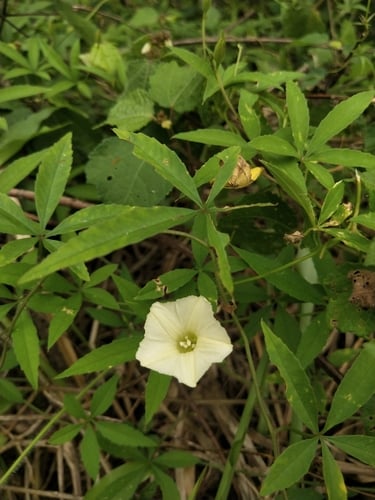
Ipomoea plebeia
R. Br.
iNaturalist· cc-by-nc
(c) Erlend Harstad, some rights reserved (CC BY-NC), uploaded by Erlend Harstad
iNaturalist· cc-by-sa
(c) Greg Tasney, some rights reserved (CC BY-SA), uploaded by Greg Tasney
iNaturalist· cc-by-nc
(c) Linda Loffler, some rights reserved (CC BY-NC), uploaded by Linda Loffler
Description
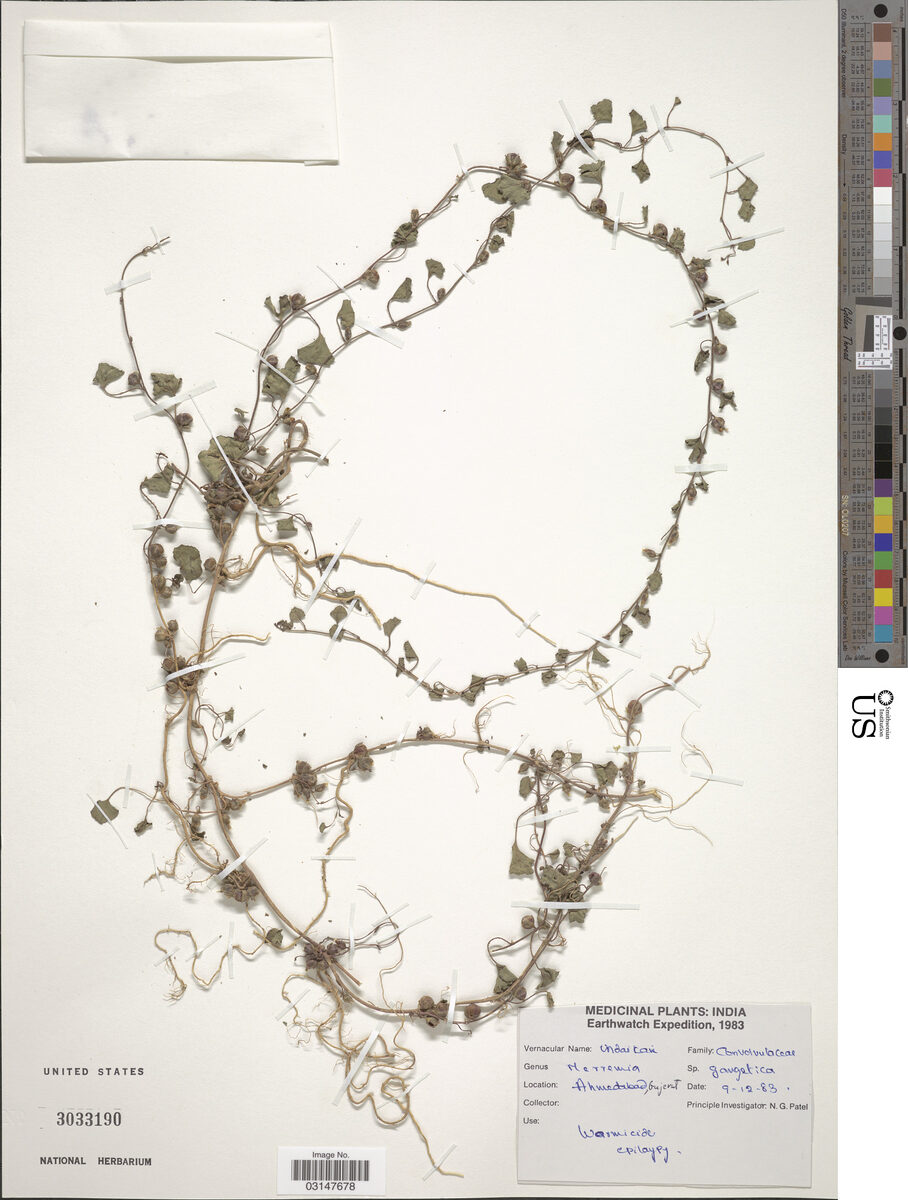
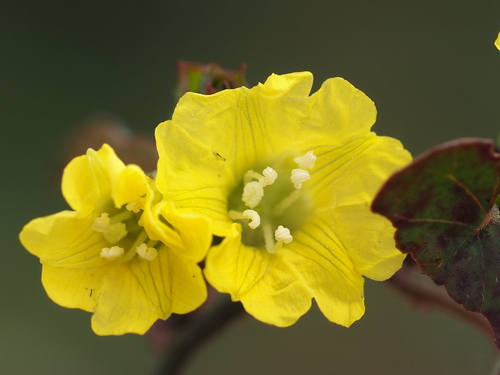
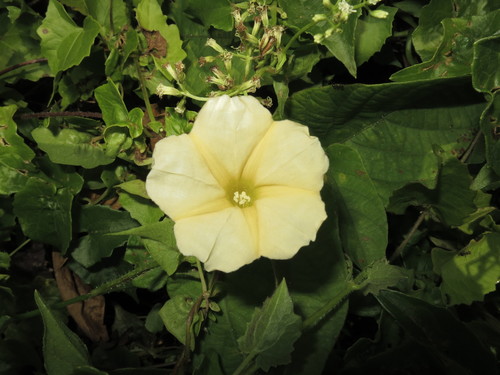
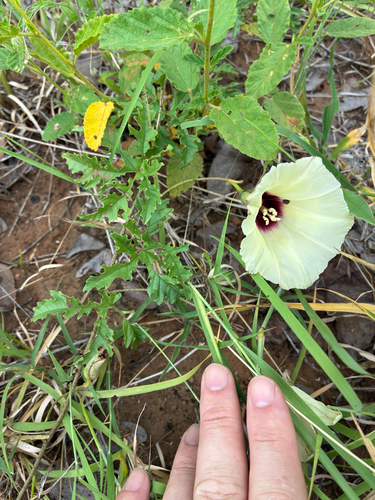
A climbing herb. It is thinly hairy. The leaf stalks are 2 cm long. The leaf blade is broadly heart shaped at the base. It is 5 cm long. The flowers occur as a few together in the axils of the leaves. The flowers are white. There are 2 subspecies.
Edible Uses
The leaves are cooked as a vegetable, typically boiled several times before eating.
Traditional Uses
The leaves are cooked as a vegetable. They are boiled several times.
This uses section is brief — help expand it
Distribution
It is a tropical plant. It grows up to 1,525 m above sea level.
Where It Grows
Africa, Angola, Australia, Botswana, Central Africa, East Africa, Eswatini, Ethiopia, Kenya, Malawi, Mozambique, Namibia, South Africa, Southern Africa, Swaziland, Zimbabwe,
Notes
subspecies africana in Africa.
Synonyms
Also Known As
Ataajunyuk, Boloko, Umzazabuka, Uombensanie
References (9)
- Lulekal, E., et al, 2011, Wild edible plants in Ethiopia: a review on their potential to combat food insecurity. Afrika Focus - Vol. 24, No 2. pp 71-121
- Magwede, K., van Wyk, B.-E., & van Wyk, A. E., 2019, An inventory of Vhavenḓa useful plants. South African Journal of Botany 122 (2019) 57–89
- Maundu, P. et al, 1999, Traditional Food Plants of Kenya. National Museum of Kenya. 288p
- Ogle and Grivetti, 1985,
- Peters, C. R., O'Brien, E. M., and Drummond, R.B., 1992, Edible Wild plants of Sub-saharan Africa. Kew. p 95
Show all 9 references Hide references
- Ruiters-Welcome, A. K., 2019, Food plants of southern Africa. Ph.D. thesis. Univ. of Johannesburg p 46
- Swaziland's Flora Database http://www.sntc.org.sz/flora
- Teklehaymanot, T., and Mirutse Giday, M., 2010, Ethnobotanical study of wild edible plants of Kara and Kwego semi-pastoralist people in Lower Omo River Valley, Debub Omo Zone, SNNPR, Ethiopia Journal of Ethnobiology and Ethnomedicine 2010, 6:23
- Welcome, A. K. & Van Wyk, B.-E., 2019, An inventory and analysis of the food plants of southern Africa. South African Journal of Botany 122 (2019) 136–179