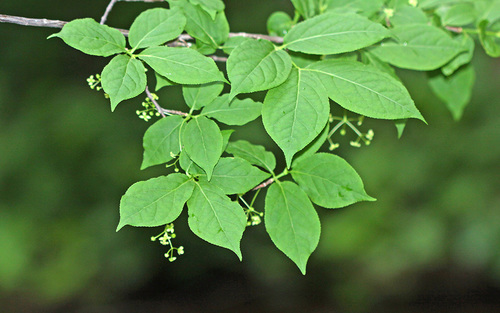
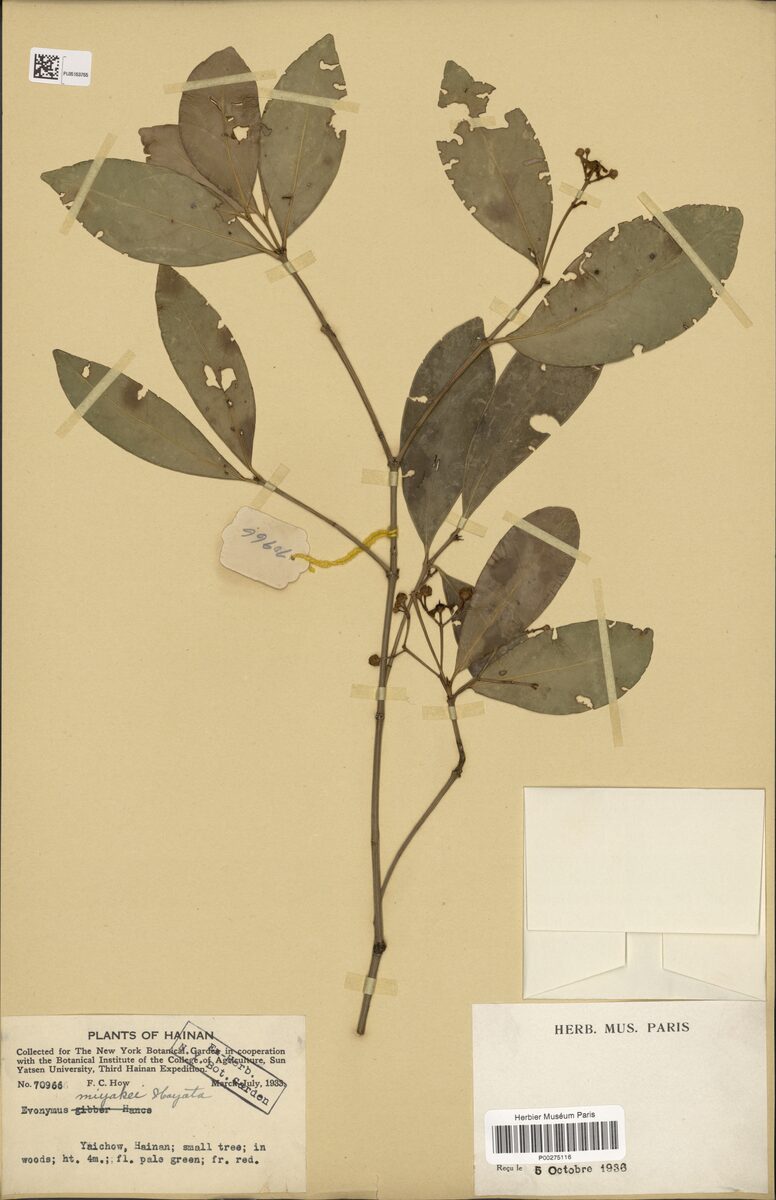
Maytenus mossambicensis
(Klotzsch) Blakelock
Black forest spike-thorn
iNaturalist· cc-by-nc
(c) Troos van der Merwe, some rights reserved (CC BY-NC)
iNaturalist· cc-by-nc
(c) Troos van der Merwe, some rights reserved (CC BY-NC)
iNaturalist· cc-by-nc
(c) Troos van der Merwe, some rights reserved (CC BY-NC)
Description
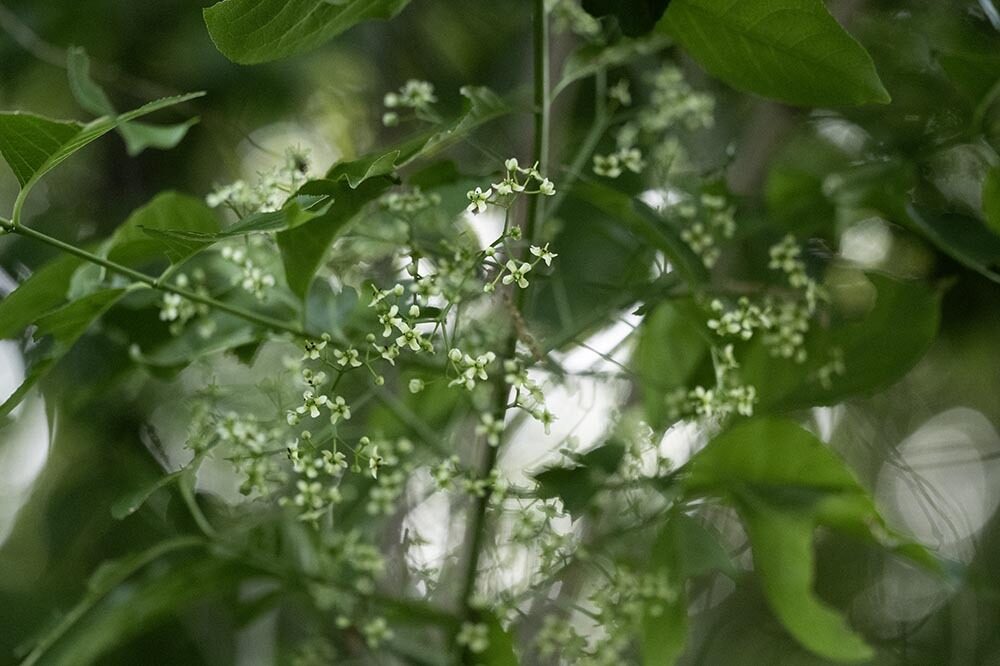
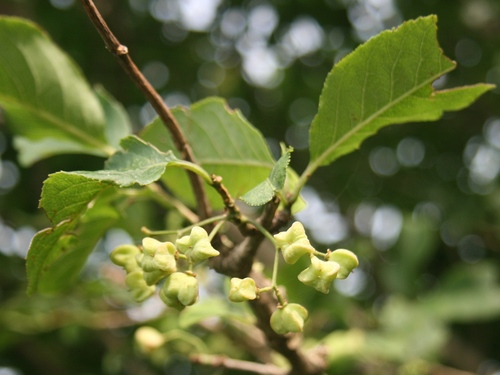
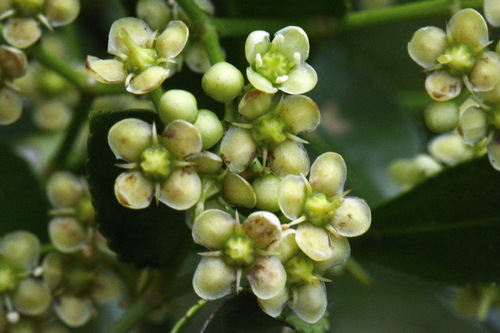
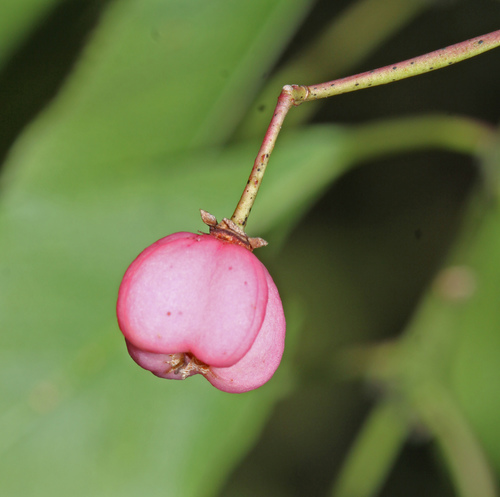
A shrub. It grows 8 m tall. It has many branches. It has long sharp straight spines. These are at right angles to the stem. The leaves are oval or rounded. They have short, sharp teeth. The leaves are 6 cm long. The flowers are small. They are in tufts of a few together. The petals are white. The fruit are reddish or pink. They are 7 mm across.
Edible Uses
The fruit are eaten as a snack.
Traditional Uses
The fruit are eaten as a snack.
This uses section is brief — help expand it
Distribution
Brisbane Botanical Garden. In Africa it grows in forests.
Where It Grows
Africa, Australia, East Africa, Eswatini, Kenya, Malawi, Mozambique, South Africa, Southern Africa, Swaziland, Zimbabwe,
Synonyms
Also Known As
SiHlangu, Umgungulutane, UmTabhane
References (7)
- Long, C., 2005, Swaziland's Flora - siSwati names and Uses http://www.sntc.org.sz/flora/ (As var. gurueensis)
- Ogle & Grivetti, 1985,
- Peters, C. R., O'Brien, E. M., and Drummond, R.B., 1992, Edible Wild plants of Sub-saharan Africa. Kew. p 80
- Ruiters-Welcome, A. K., 2019, Food plants of southern Africa. Ph.D. thesis. Univ. of Johannesburg p 42
- Swaziland's Flora Database http://www.sntc.org.sz/flora (As Gymnosporia mossambicensis)
Show all 7 references Hide references
- Welcome, A. K. & Van Wyk, B.-E., 2019, An inventory and analysis of the food plants of southern Africa. South African Journal of Botany 122 (2019) 136–179 (As Gymnosporia mossambicensis)
- White, F., Dowsett-Lemaire, F. and Chapman, J. D., 2001, Evergreen Forest Flora of Malawi. Kew. p 188