Periploca linearifolia
Dillon & A. Rich.
iNaturalist· cc-by-nc-sa
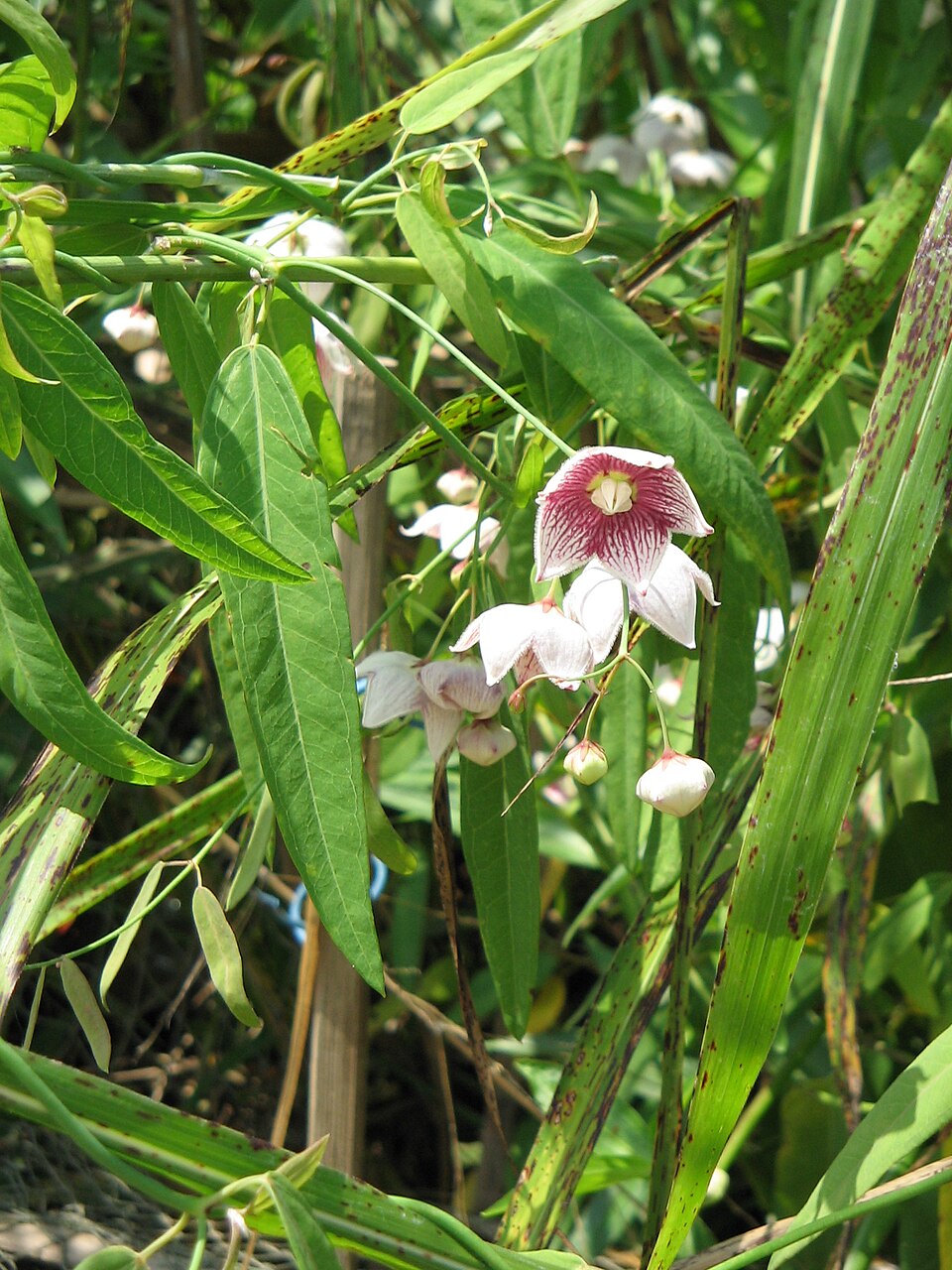
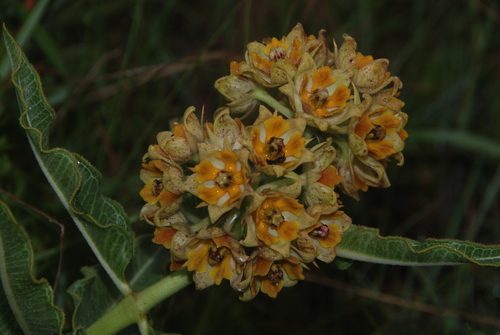
(c) Marco Schmidt, some rights reserved (CC BY-NC-SA), uploaded by Marco Schmidt
iNaturalist· cc-by-nc-sa
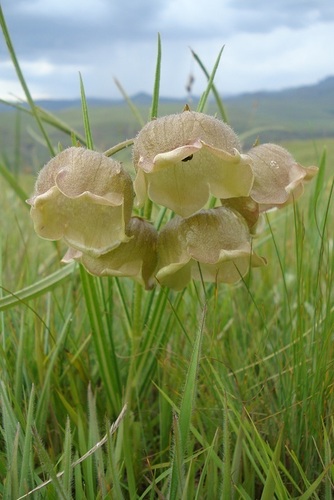
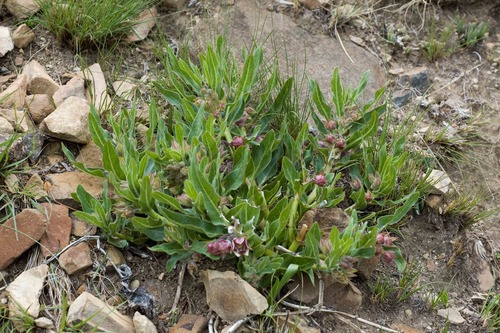
(c) Marco Schmidt, some rights reserved (CC BY-NC-SA), uploaded by Marco Schmidt
iNaturalist· cc-by-nc-sa
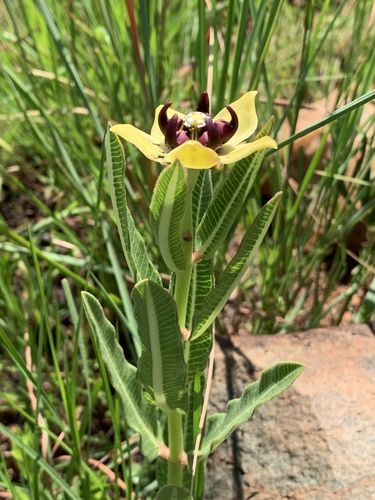
(c) Marco Schmidt, some rights reserved (CC BY-NC-SA), uploaded by Marco Schmidt
Description
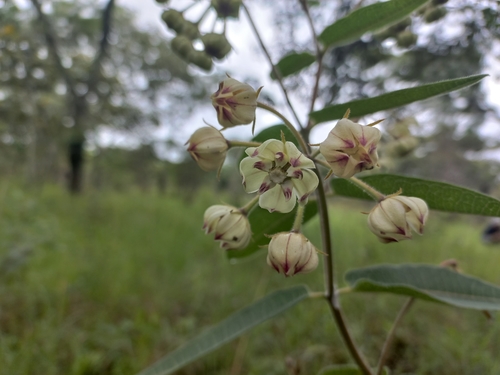
A vine. It grows 8 m tall. The stems are thin and wiry. The leaves are smooth and narrow. All parts have milky latex. The flowers are white with purple sepals. They are in groups at the ends of branches. The fruit is a pod 10 cm long.
Edible Uses
The root is used to make tea.
Medicinal Uses
The root has medicinal uses.
Known Hazards
All parts contain milky latex.
Distribution
It is a tropical plant. It grows at the edge of forests. It forms tangled clumps. In Malawi it grows between 1,400-2,150 m altitude.
Where It Grows
Africa, East Africa, Ethiopia, Kenya, Malawi, Rwanda, Tanzania, Uganda, Zambia,
Notes
Also put in the family Asclepiadaceae.
Also Known As
Osinantei, Umwaahuro
References (5)
- Glover, et al, 1966b,
- Grivetti, L. E., 1980, Agricultural development: present and potential role of edible wild plants. Part 2: Sub-Saharan Africa, Report to the Department of State Agency for International Development. p 44
- Mbuvi, M. T. E., et al, 2019, Annonated checklist of plant species of Loita Forest Narok County, Kenya. Int. J. Adv. Res. Biol. Sci. (2019). 6(3): 54-110
- Peters, C. R., O'Brien, E. M., and Drummond, R.B., 1992, Edible Wild plants of Sub-saharan Africa. Kew. p 66
- White, F., Dowsett-Lemaire, F. and Chapman, J. D., 2001, Evergreen Forest Flora of Malawi. Kew. p 163