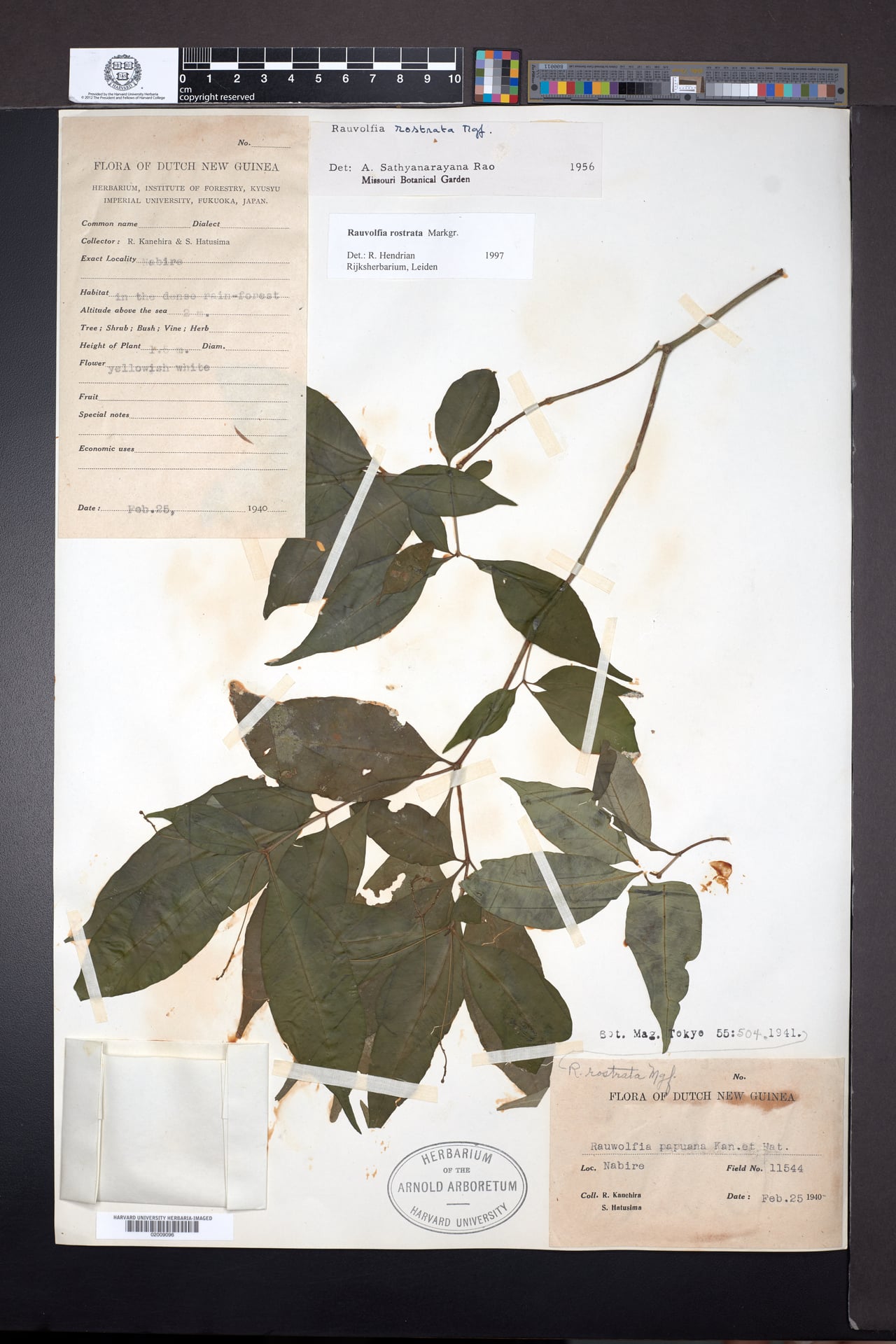
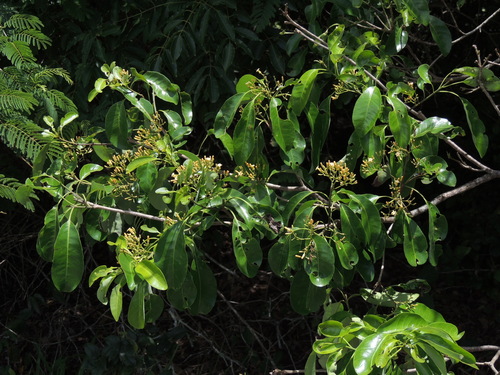
Oxystelma secamone
(Linn.) Karst.
wikimedia· cc-by-sa
Wikimedia Commons - Meneerke bloem
wikimedia· cc-by-sa
Wikimedia Commons - Meneerke bloem
Description
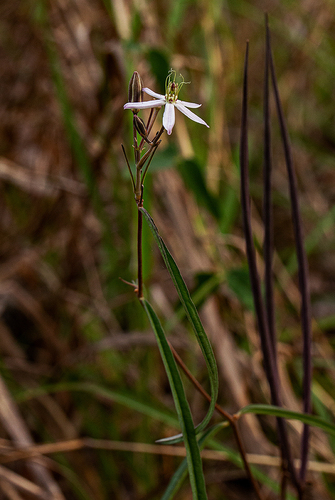
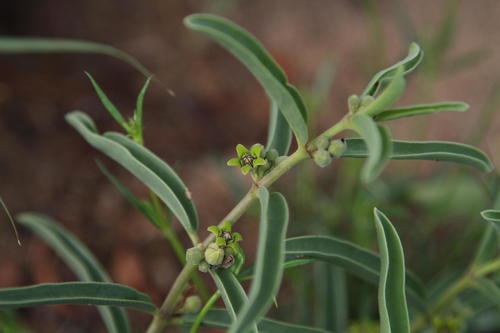
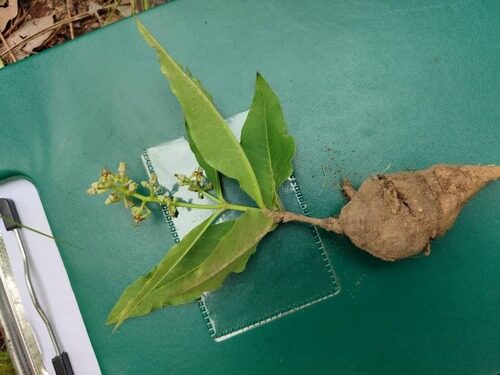
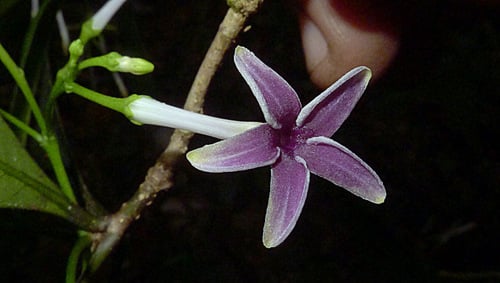
A herb. It is slender and twining. It has milky juice. The leaves are narrow and sword shaped and 5-9 cm long. The flowers are large with a few in a group. They are white or red with purple veins. They are 2.5 cm across. The fruit are follicles 5-8 cm long. They are oval.
Edible Uses
The flowers are used as a vegetable, while the fruit and leaves are also eaten. It serves as a famine food.
Traditional Uses
The flowers are used as a vegetable. The fruit and leaves are also eaten.
This uses section is brief — help expand it
Medicinal Uses
Used in traditional medicine.
Distribution
A tropical plant. It grows in marshy areas and on the edges of ponds.
Where It Grows
Africa, Asia, Bangladesh, Cambodia, China, Egypt, Himalayas, India, Indochina, Indonesia, Iraq, Laos, Malaysia, Middle East, Myanmar, Nepal, Pakistan, SE Asia, Sri Lanka, Thailand, Vietnam,
Other Information
It is a famine food.
Notes
It is used in medicine.
Synonyms
Also Known As
Dudhani, Dudhi, Dudhialata, Dudhiya lata, Dudipala, Dugdhika, Dugdhike, Duheli, Gugheni, Jaldudhi, Khirai, Kirui, Usippalai
References (3)
- Ambasta, S.P. (Ed.), 2000, The Useful Plants of India. CSIR India. p 419
- Pasha, M. K. & Uddin, S. B., 2019, Minor Edible Fruits of Bangladesh. Bangladesh J. Plant Taxon. 26(2): 299–313
- Shah, G.L., 1984, Some economically important plant of Salsette Island near Bombay. J. Econ. Tax. Bot. Vol. 5 No. 4 pp 753-765