Pachycarpus lineolatus
(Decne) Bullock
iNaturalist· cc-by-nc
(c) Nicholas Wightman, some rights reserved (CC BY-NC), uploaded by Nicholas Wightman
iNaturalist· cc-by-nc
(c) Nicholas Wightman, some rights reserved (CC BY-NC), uploaded by Nicholas Wightman
iNaturalist· cc-by-nc
(c) Samadori S. Honore Biaou, some rights reserved (CC BY-NC), uploaded by Samadori S. Honore Biaou
Description
A single stemmed plant. It is erect and keeps growing from year to year. It puts up annual stems. It grows 1.5 m high. The roots are thick and spindle shaped. They have a white flesh and milky sap. The flowers are tinged purple. The fruit are made of 2 follicles. They are spindle shaped and 12 cm long by 7 cm wide.
Edible Uses
The roots are powdered or dried and then boiled for consumption.
Traditional Uses
The roots are powdered or dried then boiled.
This uses section is brief — help expand it
Medicinal Uses
The plant is traditionally used as a medicine.
Known Hazards
Caution is advised when consuming the roots as an edible portion.
Distribution
A tropical plant. It grows in the savannah.
Where It Grows
Africa, Benin, Burkina Faso, Cameroon, Central Africa, Congo, Côte d'Ivoire, East Africa, Ghana, Guinea-Bissau, Ivory Coast, Malawi, Namibia, Nigeria, Senegal, Southern Africa, Sudan, Tanzania, West Africa, Zambia, Zimbabwe,
Notes
It is used as a medicine. This may be the same as Pachycarpus bisacculatus in Zimbabwe.
Synonyms
Also Known As
Bafurma, Cupunco, Fiye, Mullibe
References (6)
- Abbiw, D.K., 1990, Useful Plants of Ghana. West African uses of wild and cultivated plants. Intermediate Technology Publications and the Royal Botanic Gardens, Kew. p 31
- Burkill, H. M., 1985, The useful plants of west tropical Africa, Vol. 1. Kew.
- Fowler, D. G., 2007, Zambian Plants: Their Vernacular Names and Uses. Kew. p 10
- Grivetti, L. E., 1980, Agricultural development: present and potential role of edible wild plants. Part 2: Sub-Saharan Africa, Report to the Department of State Agency for International Development. p 24 (As Asclepias lineolata)
- Jardin, C., 1970, List of Foods Used In Africa, FAO Nutrition Information Document Series No 2.p 18
Show all 6 references Hide references
- World Checklist of Useful Plant Species 2020. Royal Botanic Gardens, Kew
More from Apocynaceae
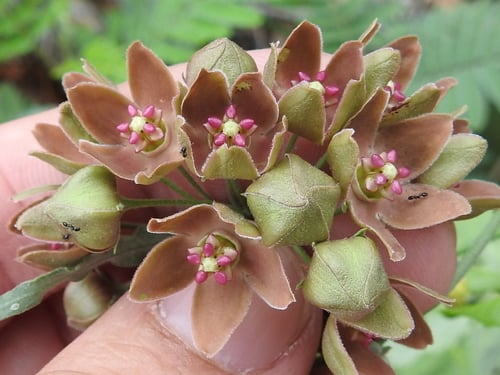
Funastrum crispum
Wavy-leaf Milkweed vine, Wavyleaf twinevine
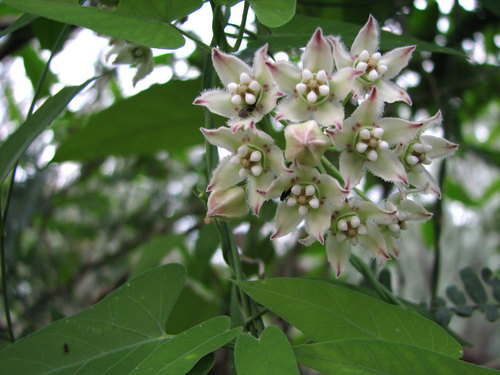
Funastrum cynanchoides
Fringed twinevine, Climbing milkweed
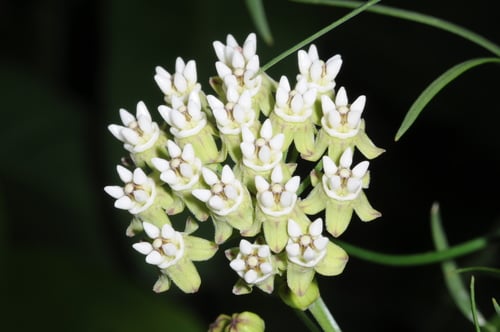
Funastrum gracile
Neek'yek
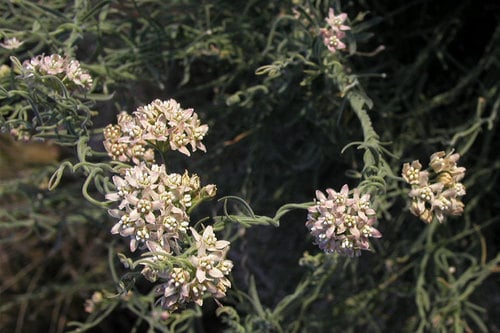
Funastrum hirtellum
Hairy milkweed, Smooth twinevine
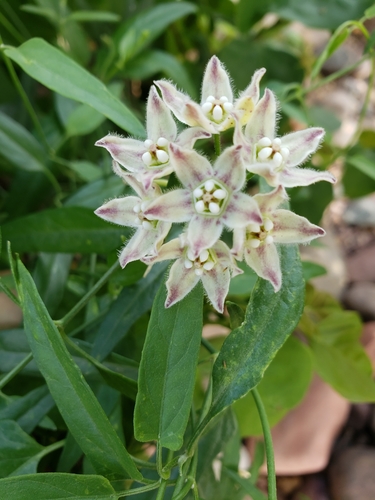
Funastrum lineare
Climbing milkweed.
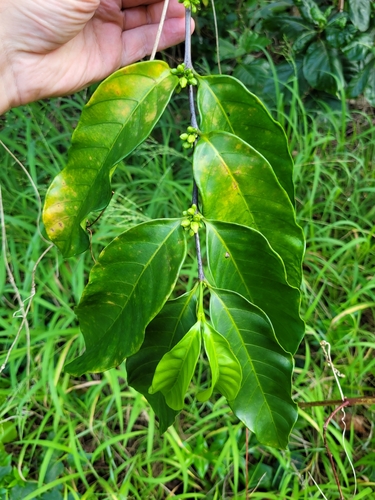
Funtumia elastica
Lagos silk rubber, West African rubber tree