Cordyline petiolaris
(Domin) Pedley
Broad-leaf Palm-lily
iNaturalist· cc-by-sa
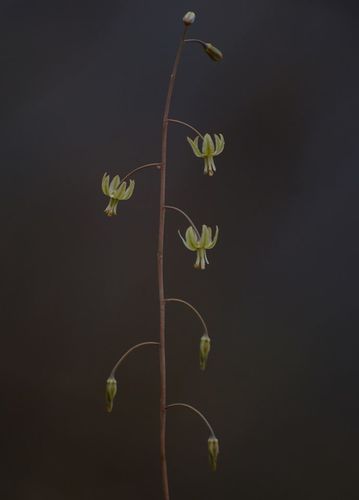
(c) Colin Meurk, some rights reserved (CC BY-SA), uploaded by Colin Meurk
iNaturalist· cc-by-nc
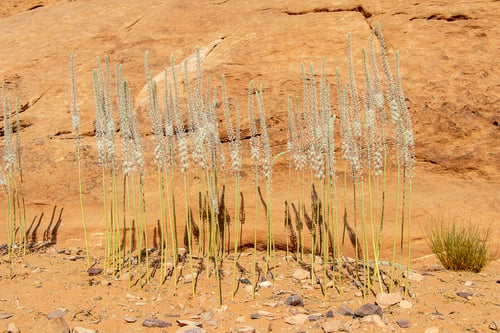
(c) timfreiszmuth, some rights reserved (CC BY-NC)
Summary
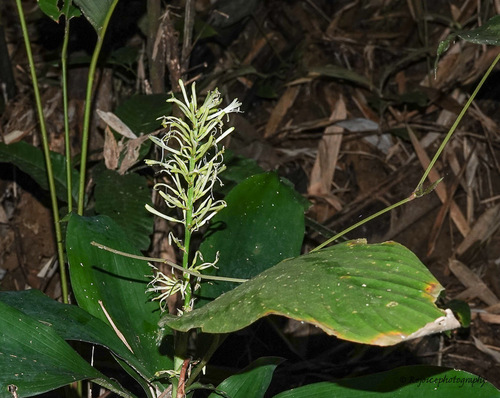
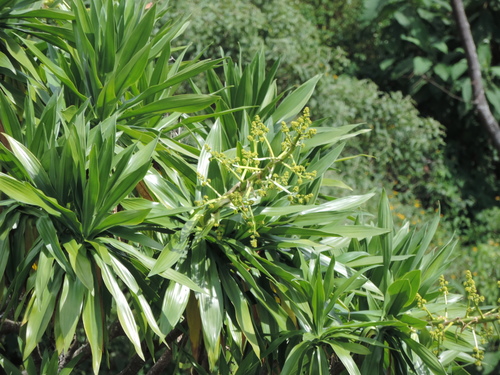
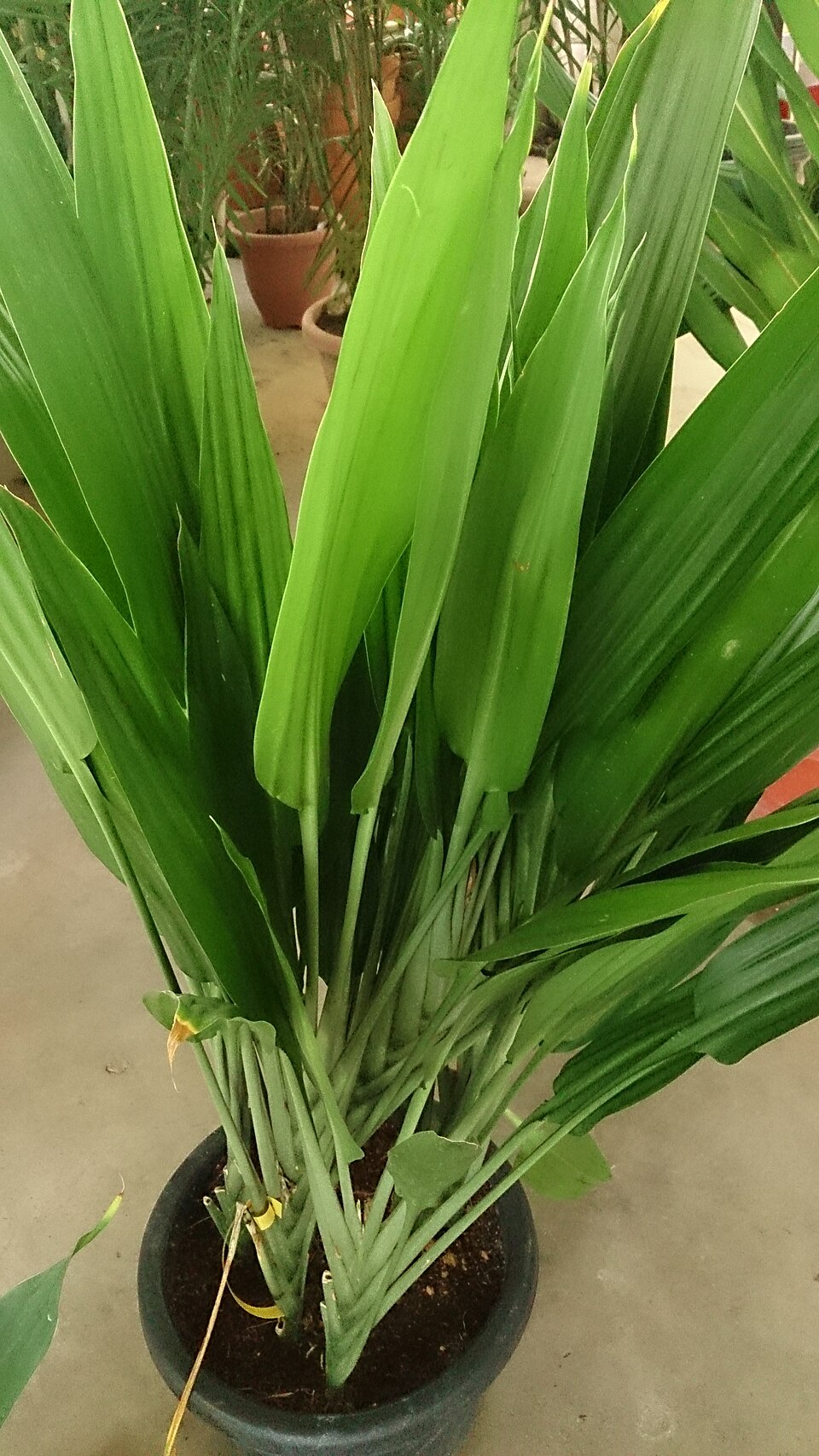
Source: WikipediaCordyline petiolaris, known as the broad leaved palm lily is an evergreen Australian plant. A shrub to around 5 metres tall. Found in warm rainforest and moist eucalyptus forest. The range of natural distribution is from the Nambucca River to near Gladstone, Queensland. Leaves 30 to 80 cm long, and 4 to 12 cm wide, elliptic in shape. Leaves on long unrolled leaf stalks. The species name petiolaris refers to these long stems. Flowering occurs from late winter to spring, being white or lilac in colour. Fruit is a red berry, 7 to 10 mm in diameter. The fruit can persist on the plant for many months. This species propagates easily from seeds or stem cuttings. Not as widely seen in cultivation as Cordyline australis, however it is also well suited to gardens with moist soils in semi shade. It is not frost tolerant. Also suited as an indoor pot plant.
Description
A slender plant. It grows 1.5-5 m high and spreads 1-2.2 m wide. The stems can form clumps. The stems are woody and fibrous. The leaves are broad. They are sword shaped and 60 cm long. They are on 25 cm long rolled leaf stalks. The flowers are purple and hang in strings. The fruit are shiny bright red berries.
Edible Uses
The fruit, heart, rhizome, and roots are edible.
Distribution
It grows in temperate to tropical places. It needs well drained soil. It is best with light shade. It suits hardiness zones 10-12. Arboretum Tasmania.
Where It Grows
Africa, Asia, Australia*, Côte d'Ivoire, Indonesia, Ivory Coast, SE Asia, Tasmania, West Africa,
Cultivation
The fruit can be planted or the flesh removed then the seeds planted. Seeds usually germinate in 2-4 weeks. Plants can also be grown from stem cuttings or division of the root.
Notes
There are 15-20 Cordyline species. Also put in the family Laxmanniaceae.
Synonyms
Also Known As
Andong lili
References (14)
- Burkill, H. M., 1985, The useful plants of west tropical Africa, Vol. 1. Kew. (As Cordyline terminalis Kunth)
- Cherikoff V. & Isaacs, J., The Bush Food Handbook. How to gather, grow, process and cook Australian Wild Foods. Ti Tree Press, Australia p 198
- Cundall, P., (ed.), 2004, Gardening Australia: flora: the gardener's bible. ABC Books. p 412
- Edible and Useful Native Plants (off internet)
- Etherington, K., & Imwold, D., (Eds), 2001, Botanica's Trees & Shrubs. The illustrated A-Z of over 8500 trees and shrubs. Random House, Australia. p 226
Show all 14 references Hide references
- Greig, D., 1996, Flowering Natives for Home Gardens. Angus & Robertson. p 121
- Hibbert, M., 2002, The Aussie Plant Finder 2002, Florilegium. p 73
- Jones D, L, 1986, Ornamental Rainforest Plants in Australia, Reed Books, p 262
- Leiper, G & Houser, J., Mutooroo. Plant Use by Australian Aboriginal People. Assembly press, Queensland.
- Molyneux, B & Forrester, S., 1997, The Austraflora A-Z of Australian Plants. Reed. p 69
- Nicholson, N & H., 1996, Australian Rainforest Plants, Terania Rainforest Publishing. NSW. p 22
- Sukarya, D. G., (Ed.) 2013, 3,500 Plant Species of the Botanic Gardens of Indonesia. LIPI p 738
- Williams, J.B., Harden, G.J., and McDonald, W.J.F., 1984, Trees and shrubs in rainforests of New South Wales and Southern Queensland. Univ. of New England, Armidale. p 19
- Yallakool Reserve Plant List July 1, 2009 Off internet