Cordyline stricta
(Sims) Endl.
Narrow-leaved palm lily
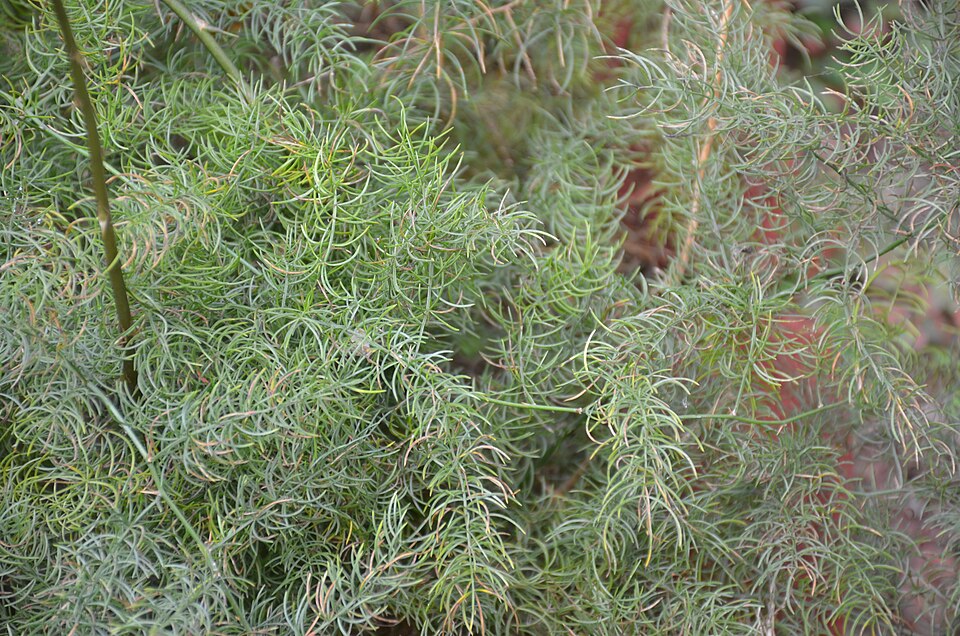
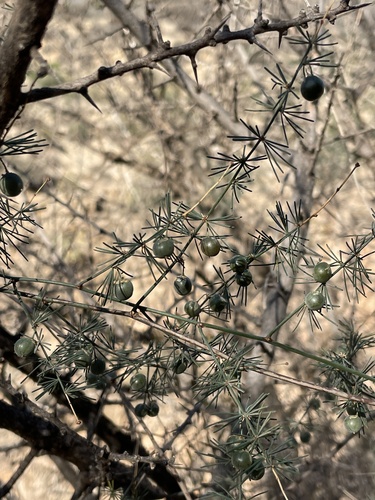
iNaturalist· cc-by-nc
(c) jnrclawrie, some rights reserved (CC BY-NC)
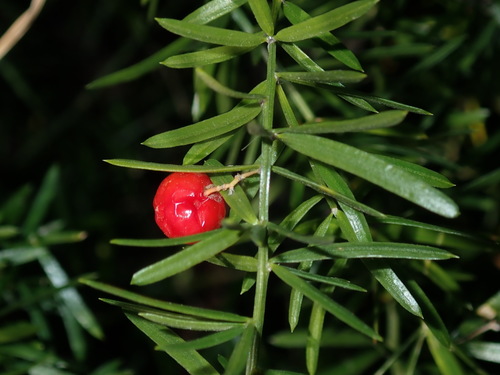
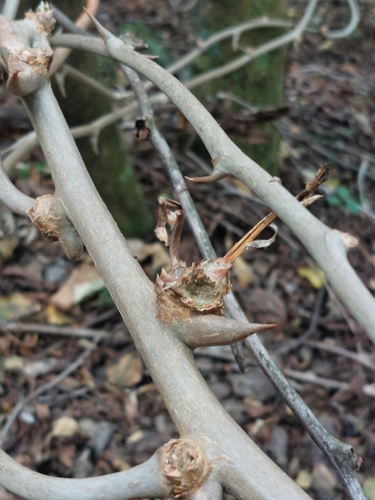
iNaturalist· cc-by-nc
(c) Stephen Csurhes, some rights reserved (CC BY-NC)
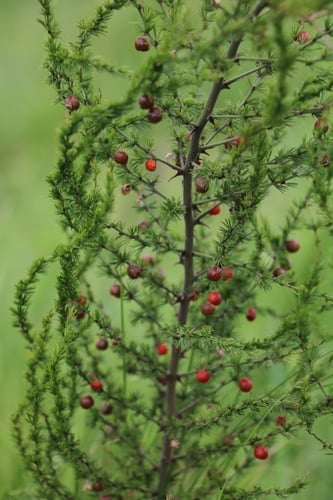
iNaturalist· cc-by-nc
(c) Stephen Csurhes, some rights reserved (CC BY-NC)
Summary
Source: WikipediaCordyline stricta, known as the slender palm lily or narrow-leaved palm lily, is an evergreen Australian plant. A shrub to 5 metres tall found in wet sclerophyll forest and rainforest, usually on the coastal lowlands. From near Bilpin, New South Wales further north to Queensland. C. stricta has become naturalised in Victoria.
Description
A tall herb with slender stems. It grows 1.8-4.5 m high. It can be 1-2 m across. It forms spreading clumps. There are rhizomes under the ground. The leaves are narrow and sword shaped. They hang downwards. The edges have teeth. The leaves are 20-60 cm long by 1-2.5 cm wide. The flowers are purple or violet. The are shaped like tubes at the base. They are 0.8-1 cm long. They are borne in panicles 30-70 cm long. They hang down in long sprays. The fruit are berries. They are purple or black. They are round and 0.3-0.5 cm across.
Edible Uses
The fruit, rhizome, and roots are edible.
Distribution
It can tolerate dark conditions for a long time. It grows in temperate to tropical conditions. It needs well drained soil. It does best in light shade. It can stand light frosts. Melbourne Botanical gardens. It suits hardiness zones 10-12. Arboretum Tasmania.
Where It Grows
Asia, Australia*, Indonesia, SE Asia, Slovenia, Tasmania,
Cultivation
Plants can be grown from seed, dividing the rhizome or stem cuttings.
Notes
There are 15-20 Cordyline species. Also put in the family Laxmanniaceae.
Also Known As
Angond lili daun kurus, Erect palm-lily, Slender palm lily
References (20)
- Ann. Wiener Mus. Naturgesch. 1:162. 1836
- Blomberry, A.M., 1979, Australian Native Plants. Angus and Robertson p 90
- Bodkin, F., 1991, Encyclopedia Botanica. Cornstalk publishing, p 281
- Cherikoff V. & Isaacs, J., The Bush Food Handbook. How to gather, grow, process and cook Australian Wild Foods. Ti Tree Press, Australia p 194
- Cundall, P., (ed.), 2004, Gardening Australia: flora: the gardener's bible. ABC Books. p 412
Show all 20 references Hide references
- Elliot, W.R., & Jones, D.L., 1984, Encyclopedia of Australian Plants suitable for cultivation. Vol 3. Lothian. p 88
- Etherington, K., & Imwold, D., (Eds), 2001, Botanica's Trees & Shrubs. The illustrated A-Z of over 8500 trees and shrubs. Random House, Australia. p 226
- Greig, D., 1996, Flowering Natives for Home Gardens. Angus & Robertson. p 121
- Harter, J.(Ed.), 1988, Plants. 2400 copyright free illustrations. Dover p 8.1
- Hibbert, M., 2002, The Aussie Plant Finder 2002, Florilegium. p 73
- Jones D, L, 1986, Ornamental Rainforest Plants in Australia, Reed Books, p 262
- Lavelle, M., 2008, Wild Flowers of Australia and Oceania. Southwater. p 89
- Lord, E.E., & Willis, J.H., 1999, Shrubs and Trees for Australian gardens. Lothian. p 94
- Molyneux, B & Forrester, S., 1997, The Austraflora A-Z of Australian Plants. Reed. p 69
- Morley, B. & Everard, B., 1970, Wild Flowers of the World. Ebury press. Plate 142
- Ratcliffe D & P., 1987, Australian Native Plants for Indoors. Little Hills press. p 72, 73
- Sukarya, D. G., (Ed.) 2013, 3,500 Plant Species of the Botanic Gardens of Indonesia. LIPI p 737
- Townsend, K., 1994, Across the Top. Gardening with Australian Plants in the tropics. Society for Growing Australian Plants, Townsville Branch Inc. p 140
- Williams, J.B., Harden, G.J., and McDonald, W.J.F., 1984, Trees and shrubs in rainforests of New South Wales and Southern Queensland. Univ. of New England, Armidale. p 19
- Yallakool Reserve Plant List July 1, 2009 Off internet