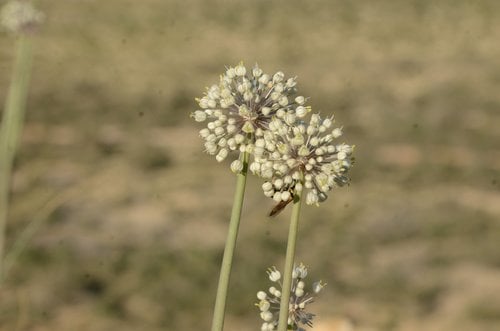
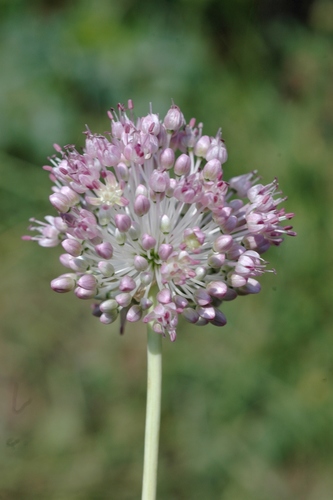
Tulbaghia acutiloba
Harv.
Wild garlic
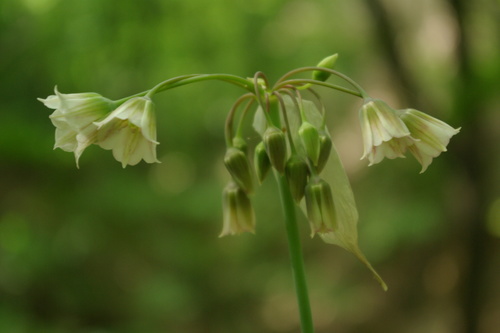
iNaturalist· cc-by-nc
(c) fayne, some rights reserved (CC BY-NC), uploaded by fayne
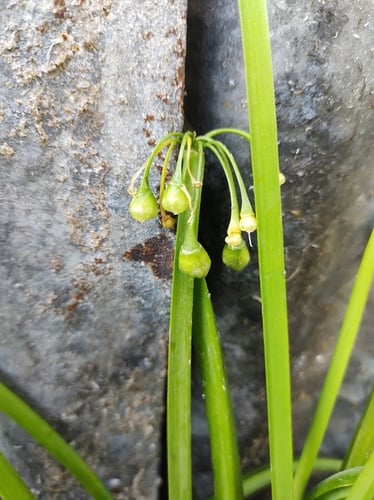
iNaturalist· cc-by-nc
(c) Alex Rebelo, some rights reserved (CC BY-NC)
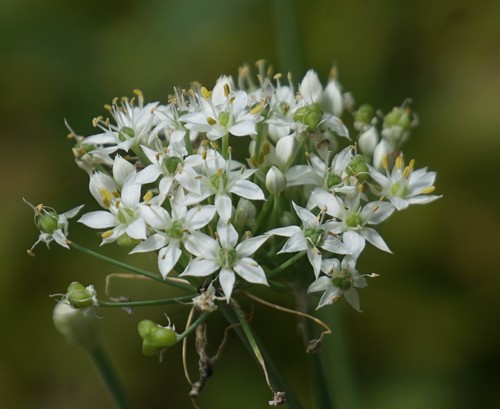
iNaturalist· cc-by-nc
(c) Alex Rebelo, some rights reserved (CC BY-NC)
Summary
Source: WikipediaTulbaghia acutiloba, one of many plants named wild garlic, is a species of plant in the Allioideae subfamily of the Amaryllidaceae family. First described by William Henry Harvey in 1854, it is found in the countries of Botswana, Eswatini, Lesotho, and South Africa.
Description
A subtropical herb of the amaryllis family, related to onions, with edible bulbs, leaves, rhizomes, roots, and flowers.
This description is brief — help expand it
Edible Uses
Young plants are cooked as a vegetable. They are also used for flavouring and as a preservative.
Traditional Uses
Young plants are cooked as a vegetable. They are also used for flavouring and as a preservative.
This uses section is brief — help expand it
Distribution
It is a subtropical plant.
Where It Grows
Africa, Botswana, Eswatini, Lesotho, South Africa, Southern Africa*, Swaziland, Zambia,
Notes
Also put in the families Alliaceae and Liliaceae.
Also Known As
Lisela, Liselwa, Safothofotho
References (8)
- Fox, F. W. & Young, M. E. N., 1982, Food from the Veld. Delta Books. p 255
- https://growwild.co.za Edible Indigenous plants
- Jacot Gillarmod, 1971,
- Long, C., 2005, Swaziland's Flora - siSwati names and Uses http://www.sntc.org.sz/flora/
- Ogle & Grivetti, 1985,
Show all 8 references Hide references
- Peters, C. R., O'Brien, E. M., and Drummond, R.B., 1992, Edible Wild plants of Sub-saharan Africa. Kew. p 8
- Ruiters-Welcome, A. K., 2019, Food plants of southern Africa. Ph.D. thesis. Univ. of Johannesburg p 9
- Welcome, A. K. & Van Wyk, B.-E., 2019, An inventory and analysis of the food plants of southern Africa. South African Journal of Botany 122 (2019) 136–179