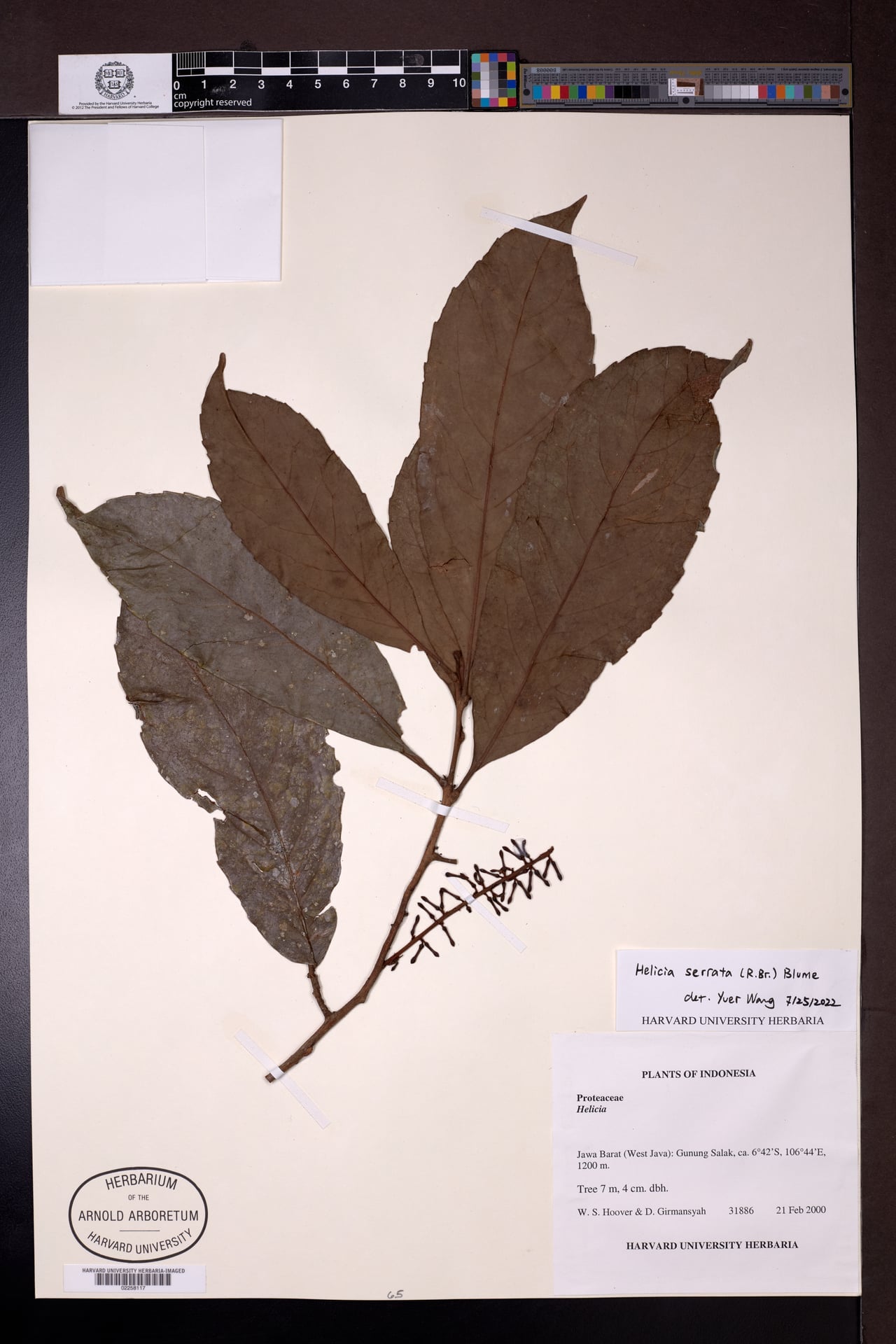
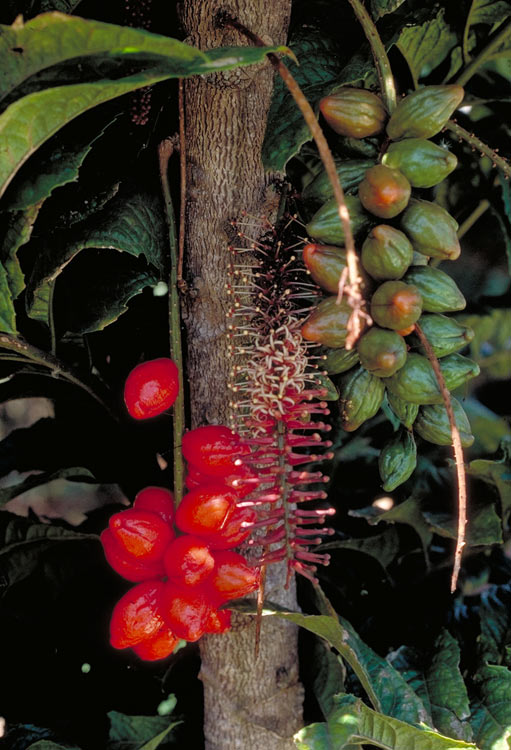
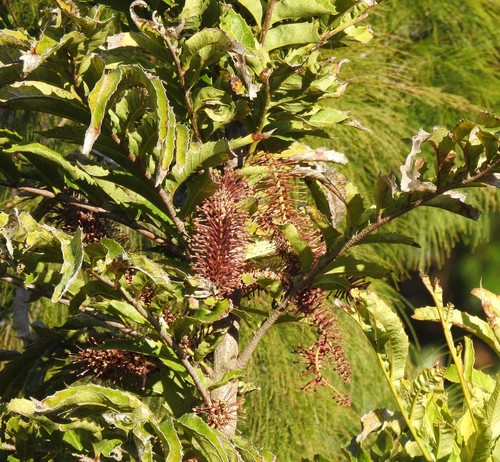
Knightia excelsa
(Salisb.) R. Br.
Rewarewa, New Zealand honeysuckle
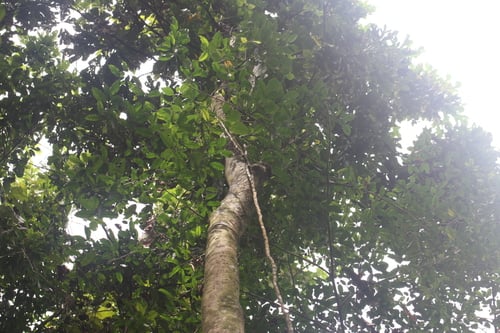
iNaturalist· cc-by-nc-sa
(c) Szymon Stoma, some rights reserved (CC BY-NC-SA)
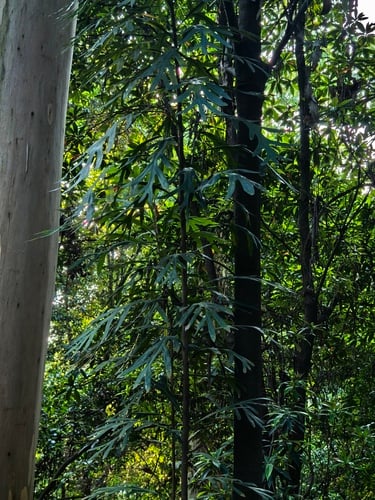
iNaturalist· cc-by-nc
(c) nakileigh, some rights reserved (CC BY-NC)
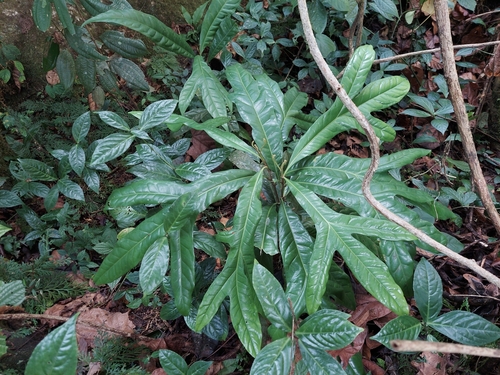
iNaturalist· cc-by
(c) Michael Berardozzi, some rights reserved (CC BY)
Summary
Source: WikipediaKnightia excelsa, commonly known as rewarewa (from Māori), is an evergreen tree endemic to the low elevation and valley forests of New Zealand. It is found in the North Island and at the tip of the South Island in the Marlborough Sounds (41° S) and the type species for the genus Knightia.
Description
An evergreen tree. It grows 13 m high. The leaves are rich green and have teeth along the edge. The flowers are in spikes and are deep red.
This description is brief — help expand it
Edible Uses
The flowers are exceptionally rich in nectar, which can be extracted and eaten directly. The nectar contains approximately 45% sugars.
Medicinal Uses
No medicinal uses are known for this plant.
Distribution
It is a temperate plant. It does best in a cool location. It can tolerate dry soil once established. Arboretum Tasmania.
Where It Grows
Australia, New Zealand*, Tasmania,
Cultivation
Succeeds in any well-drained fertile soil in sun or semi-shade. Requires protection from cold and drying winds. Plants tolerate very light and short-lived frosts, but they are best with a minimum winter temperature of about 3°c. Another report says that trees are hardy in south Cornwall. A very good bee plant.
Propagation
Sow seed in spring in a warm greenhouse. Prick seedlings into individual pots when large enough and grow on in the greenhouse for at least their first winter. Plant out into permanent positions in late spring or early summer, after the last expected frosts.
Other Uses
The wood is handsomely variegated and highly valued for superior woodwork, inlays, and similar fine applications.
References (3)
- Crowe, A., 1997, A Field Guide to the Native Edible Plants of New Zealand. Penguin. p 50
- Ryan, S., 2008, Dicksonia. Rare Plants Manual. Hyland House. p 35
- Trans. Linn. Soc. London 10:194, t. 2. 1810