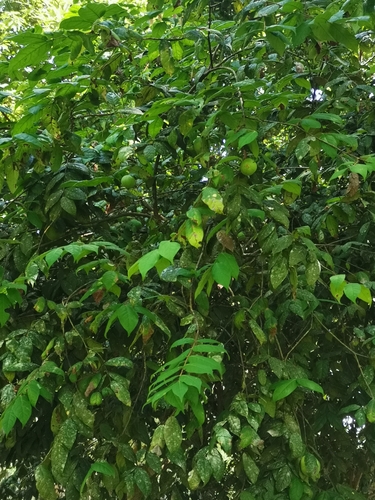
Kunzea ericoides
(A. Rich.) Joy Thomps.
Kanuka, White tea tree
iNaturalist· cc-by-nc
(c) Chris Ecroyd, some rights reserved (CC BY-NC), uploaded by Chris Ecroyd
iNaturalist· cc0
no rights reserved
iNaturalist· cc-by-nc
(c) Mark Kluge, some rights reserved (CC BY-NC), uploaded by Mark Kluge
Summary
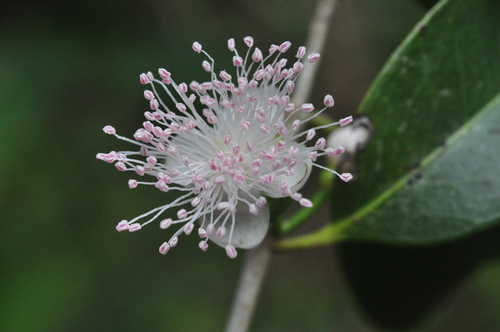
Source: WikipediaKunzea ericoides, commonly known as kānuka or white tea-tree, is a tree or shrub in the myrtle family, Myrtaceae and is endemic to New Zealand. It has white or pink flowers similar to those of Leptospermum and from its first formal description in 1832 until 1983 was known as Leptospermum ericoides. The flowers have five petals and up to 25 stamens which are mostly longer than the petals.
Description
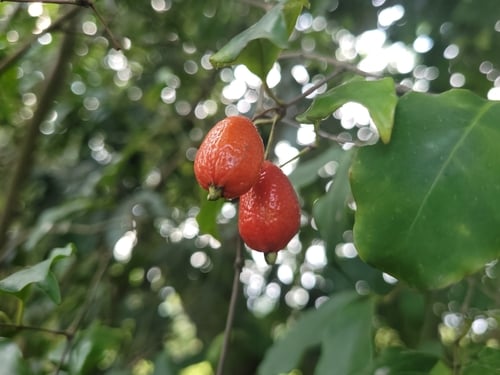
An evergreen shrub. It grows 3 m tall or taller. It can be up to 10 m tall. The leaves are soft. They vary in shape and are up to 2.5 cm long and 5 mm wide. The flowers are white and in clusters. The fruit are capsules 2-4.5 mm across and with seeds 1-1.5 mm across.
Edible Uses
The leaves are used to make tea, and the sap can be consumed.
Distribution
It is a warm temperate plant. It is frost tender. It can grow in very acid soils. It needs full sun and does well in moist soils. It is hardy to zone 8. It grows up to 2,000 m above sea level. In Melbourne Botanical garden.
Where It Grows
Asia, Australia, Indonesia, New Zealand*, SE Asia, Tasmania,
Cultivation
Plants can be grown by seeds.
Synonyms
Also Known As
Burgan, Pohon teh-tehan putih
References (5)
- Crowe, A., 1997, A Field Guide to the Native Edible Plants of New Zealand. Penguin. p 32
- Hastings Advance Community College, 2017, Uses for Native Plants of the Mornington Peninsula. 86pp. p 48
- Sukarya, D. G., (Ed.) 2013, 3,500 Plant Species of the Botanic Gardens of Indonesia. LIPI p 349
- Tasmanian Herbarium Vascular Plants list p 40
- Telopea 2:379. 1983