Amomyrtus luma
(Molina) D. Legrand & Kausel
Luma, Chilean guava
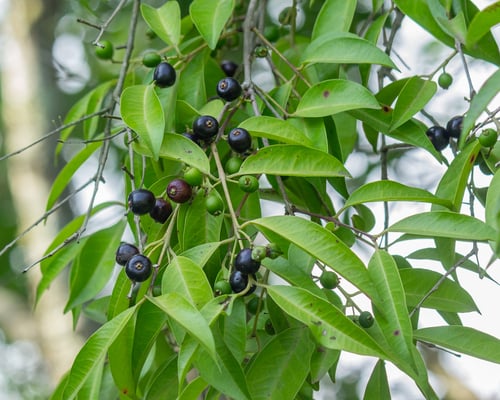
iNaturalist· cc-by-nc
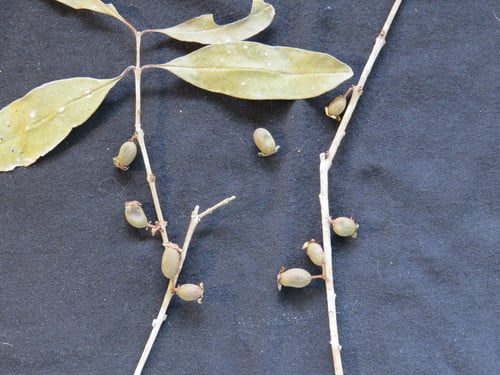
(c) Eitel Carlos Thielemann Pinto, some rights reserved (CC BY-NC), uploaded by Eitel Carlos Thielemann Pinto
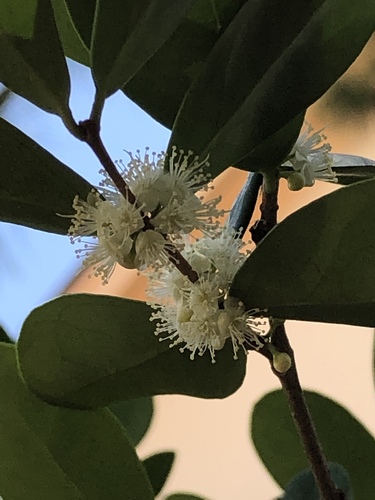
iNaturalist· cc-by-nc
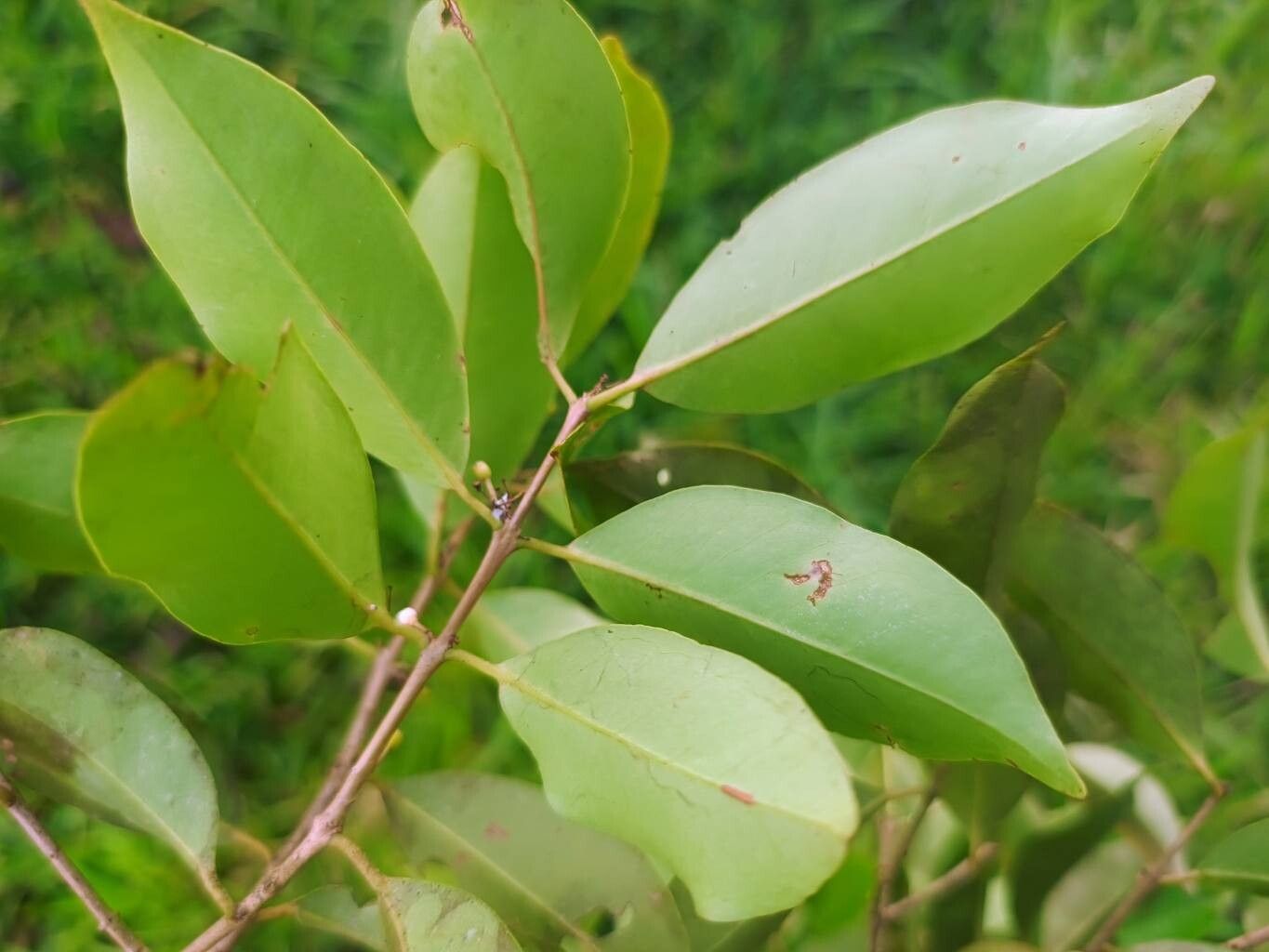
(c) Pablo Silva, some rights reserved (CC BY-NC), uploaded by Pablo Silva
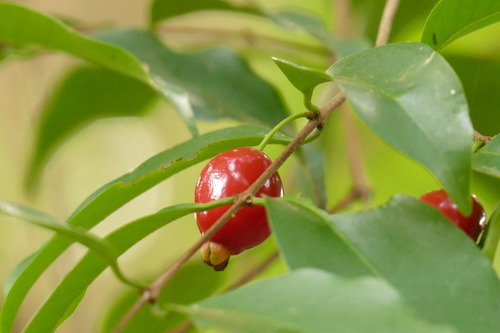
iNaturalist· cc-by-nc
(c) Marcelo matamala, some rights reserved (CC BY-NC), uploaded by Marcelo matamala
Summary
Source: WikipediaAmomyrtus luma, known as luma, is a species of tree in the family Myrtaceae. It is native to Chile and Argentina. It grows from Colchagua to Aysen (34 to 45°S). This species occurs in rainforests, near streams, and in other moist sites.
Description
A shrub or small tree growing to 7.5 m high. Flowers have a sweet smell. The fruit is black to purplish-black when ripe. It is 1-1.5 cm wide. There are usually 3 seeds.
Edible Uses
The fruit can be eaten raw or cooked. It is roughly the size of a small blackcurrant, very aromatic, and contains a large number of seeds.
Traditional Uses
The fruit is eaten raw or cooked. It is also used for drinks.
This uses section is brief — help expand it
Medicinal Uses
None known.
Distribution
It is a temperate plant. It grows naturally between latitudes 36 and 46° 30' south in Chile. It requires a moderately fertile well drained soil in a sunny position. In Argentina it grows from sea level to 800 m above sea level. Mt Lofty Botanical Gardens.
Where It Grows
Argentina, Britain, Europe, Chile, South America,
Cultivation
It can be grown from seed, cuttings or layering.
Propagation
Pre-soak seed for 24 hours in warm water, then sow in late winter in a greenhouse. Prick out seedlings into individual pots as soon as they are large enough to handle, and grow on in the greenhouse for at least their first winter before planting out in late spring or early summer after the last expected frosts. Half-ripe cuttings of 7–10cm with a heel can be taken in July or August in a frame, potted up in autumn, overwintered in a cold frame, and planted out in late spring; success rate is high. Cuttings of mature wood from the current season's growth, 7–12cm with a heel, can be taken in November in a shaded, frost-free frame and planted out in late spring or early autumn; success rate is also high. Layering is another option.
Other Uses
None known.
Synonyms
Also Known As
Cauchao, Chauchau, Chilean myrtle, Luma blanca, Luma colorada, Palo madrona, Reloncavi, Temo
References (12)
- Chamorro, M. F., & Ladio, A., 2020, Native and exotic plants with edible fleshy fruits utilized in Patagonia and their role as sources of local functional foods. BMC Complementary Medicine and Therapies. 20:155
- Cordero, S. E., Abello, L. A., & Galvez, F. L., 2017, Plantas silvestres comestibles y medicinales de Chile y otras partes del mundo. CORMA p 33
- Grandtner, M. M. & Chevrette, J., 2013, Dictionary of Trees, Volume 2: South America: Nomenclature, Taxonomy and Ecology. Academic Press p 28
- Hedrick, U.P., 1919, (Ed.), Sturtevant's edible plants of the world. p 297 (As Eugenia darwinii)
- http://www.darwinsbeagleplants,org. University of Cambridge (Now Amomyrtus luma)
Show all 12 references Hide references
- Kermath, B. M., et al, 2014, Food Plants in the Americas: A survey of the domesticated, cultivated and wild plants used for Human food in North, Central and South America and the Caribbean. On line draft. p 57
- Leon-Lobos, P., et al, 2022, Patterns of Traditional and Modern Uses of Wild Edible Native Plants of Chile: Challenges and Future Perspectives. Plants (Basel) v 11 (6) Table S1
- Lilloa 13:146. 1947
- Plants for a Future database, The Field, Penpol, Lostwithiel, Cornwall, PL22 0NG, UK. http://www.scs.leeds.ac.uk/pfaf/.
- Rapoport, E. H. & Ladio, A. H., 1999, Plantas comestibles. Bosque Volume 20 No. 2. ISSN 0314-8799
- Velasquez, P. & Montenegro, G., 2017, Chilean Endemic/Native Plant Resources as Functional and Superfoods. Chp. 6 in Superfood and Functional Food - An Overview of Their Processing and Utilization
- World Checklist of Useful Plant Species 2020. Royal Botanic Gardens, Kew