Angophora floribunda
(Sm.) Sweet
Bulamin, Rough barked apple
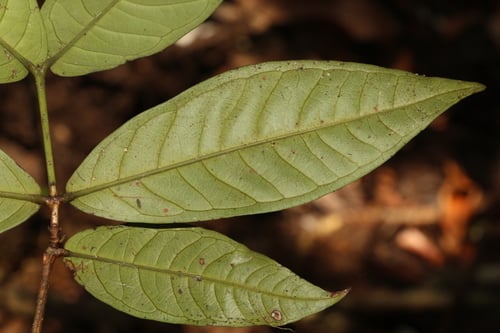
iNaturalist· cc-by-nc
(c) Dean Nicolle, some rights reserved (CC BY-NC), uploaded by Dean Nicolle
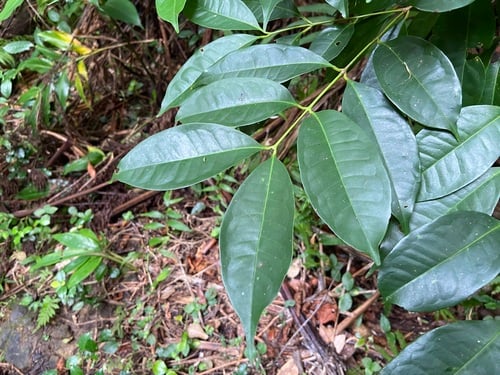
iNaturalist· cc-by-nc
(c) Dean Nicolle, some rights reserved (CC BY-NC), uploaded by Dean Nicolle
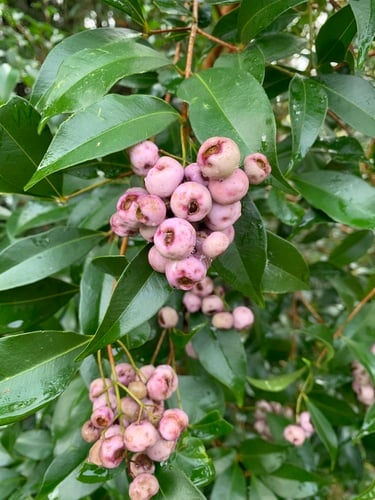
iNaturalist· cc-by-nc
(c) Dean Nicolle, some rights reserved (CC BY-NC), uploaded by Dean Nicolle
Summary
Source: WikipediaAngophora floribunda, commonly known as the rough-barked apple, is a common woodland and forest tree of the family Myrtaceae native to Eastern Australia. Reaching 30 m (100 ft) high, it is a large tree with fibrous bark and cream-white flowers that appear over the Austral summer. It grows on alluvial soils on floodplains and along watercourses. Much of the land it grew on has been cleared for agriculture.
Description
An evergreen tree growing to 18 m tall. Hardy to UK zone 9. Year-round foliage. Hermaphrodite, pollinated by bees. Prefers light sandy or medium loamy, well-drained soils with mildly acid to mildly alkaline pH. Requires full sun and moist soil.
Edible Uses
Edible Parts: Edible Uses: Gum None known
Medicinal Uses
None known
Distribution
It is a subtropical plant.
Where It Grows
Australia*,
Cultivation
A plant mainly of subtropical areas, just moving into the tropics in eastern Australia, where it is found at elevations up to 1,100 metres. It grows best in areas where annual daytime temperatures are within the range 18 - 30°c, but can tolerate 7 - 41°c. Mature plants can be killed by temperatures of -5°c or lower, but new growth can be badly damaged at -1°c. It prefers a mean annual rainfall in the range 650 - 850mm, but tolerates 500 - 1,000mm. Prefers a sunny position in a moderately fertile well-drained moisture retentive circum-neutral soil. Tolerates poor and dry soils, especially those low in mineral elements. Prefers a pH in the range 5.5 - 6.5, tolerating 5 - 7. Established plants are drought tolerant. Plants are not very wind resistant. Trees lose their branches in high winds. They shed their bark annually.
Propagation
Seed - sow April in a warm greenhouse. When large enough to handle, prick the seedlings out into individual pots and grow them on in a sunny position in the greenhouse for at least their first winter. If trying them outdoors, plant them out in early summer and give them some protection from the cold for at least their first winter outdoors. Cuttings of mature wood of the current seasons growth in sandy soil in a frame.
Other Uses
Gum Preservative A gum is obtained from the trunk, it is used to preserve ropes in water. Special Uses
Synonyms
Also Known As
Tunpa