Brachiaria brizantha
(Hochst. ex A. Rich.) Stapf.
Bread grass, Arm grass, Common signal grass
iNaturalist· cc-by-nc
(c) RattyExplores, some rights reserved (CC BY-NC)
iNaturalist· cc-by-nc
(c) RattyExplores, some rights reserved (CC BY-NC)
iNaturalist· cc-by-nc
(c) RattyExplores, some rights reserved (CC BY-NC)
Description
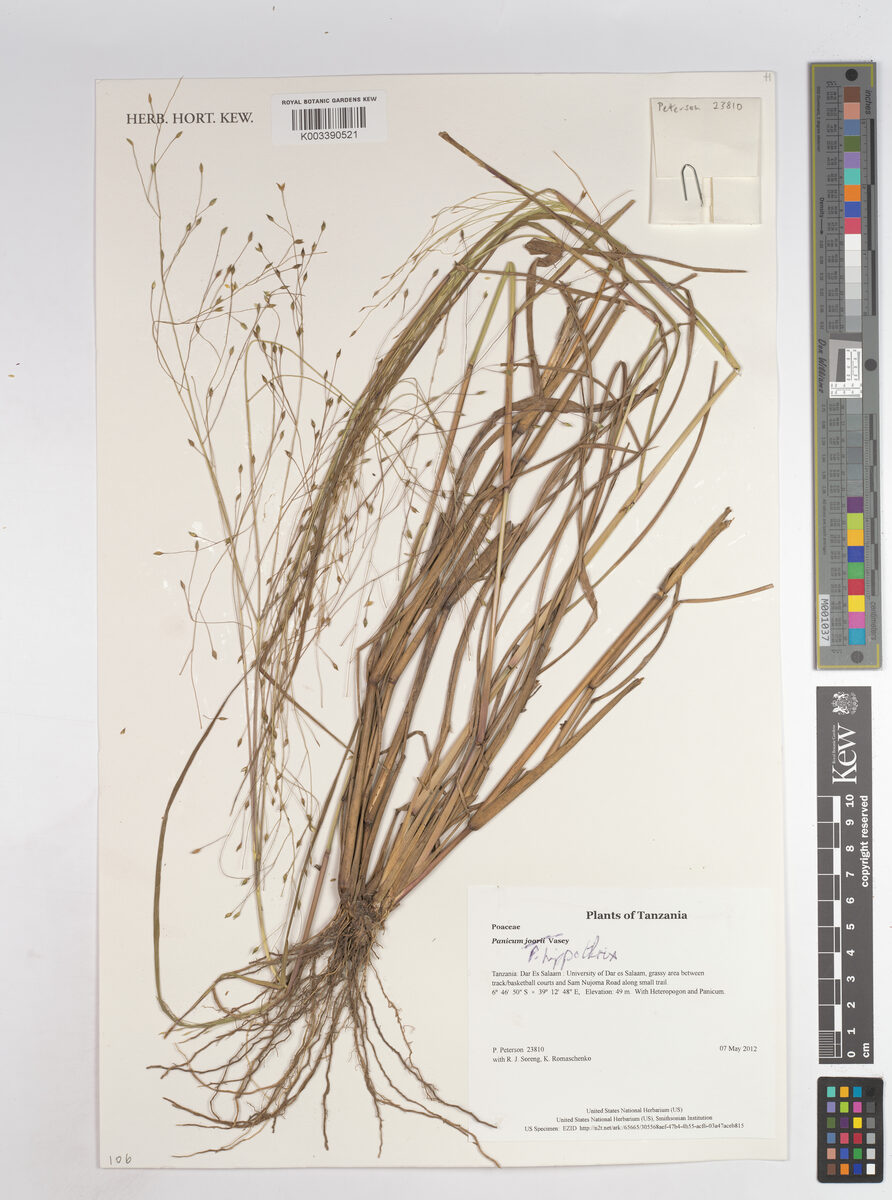
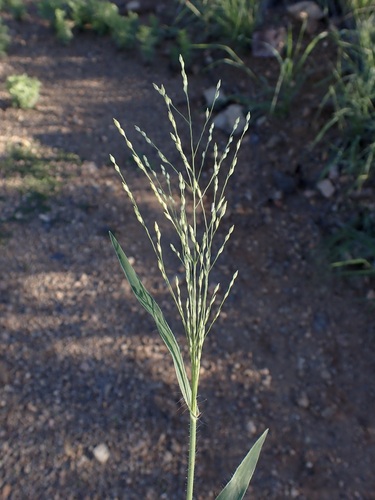
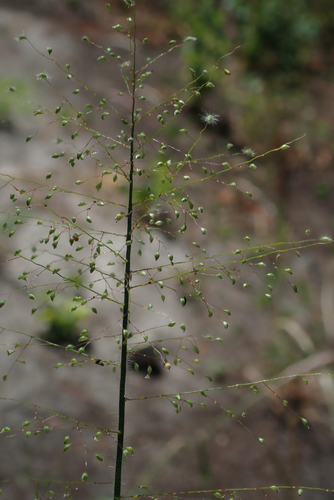
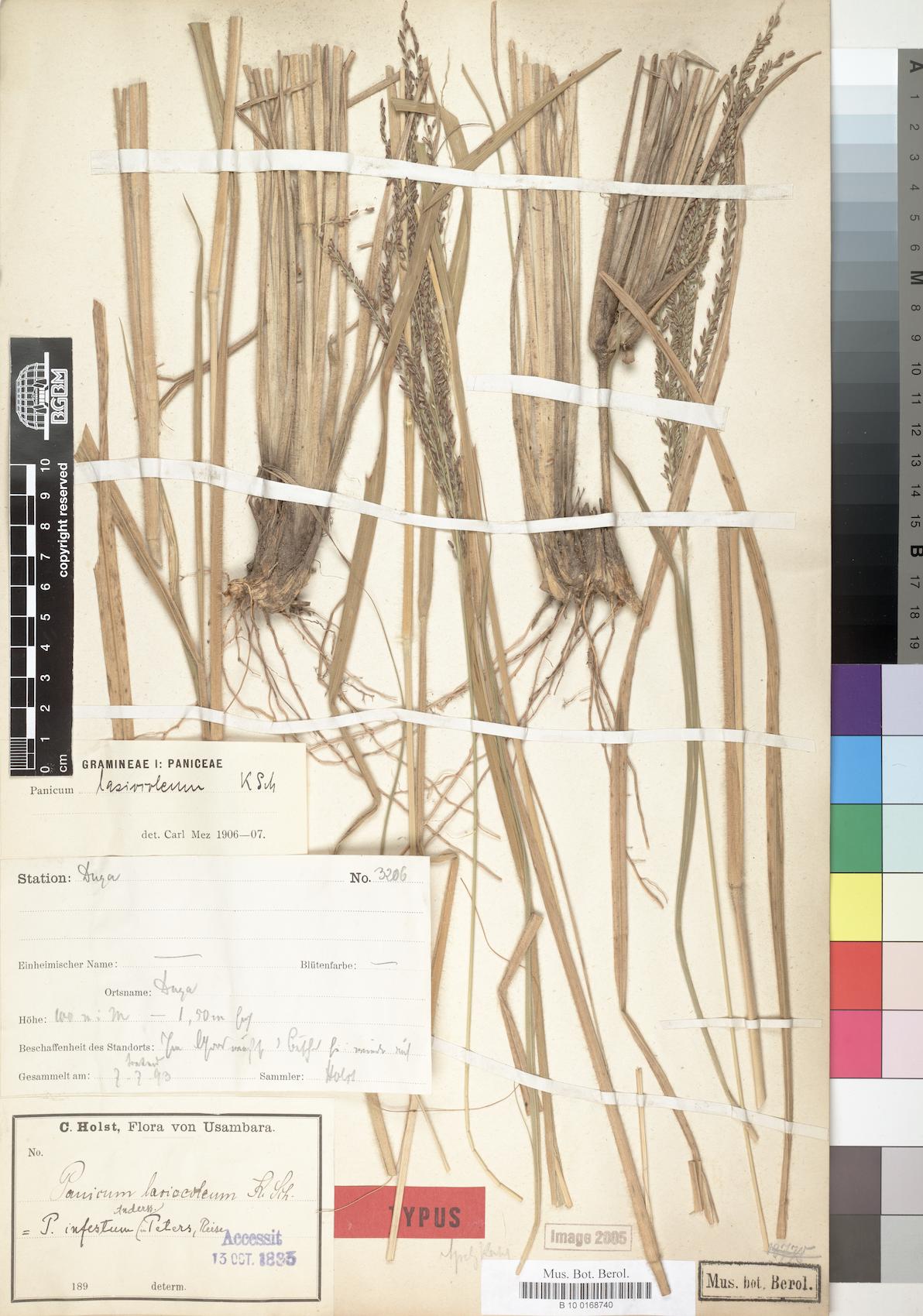
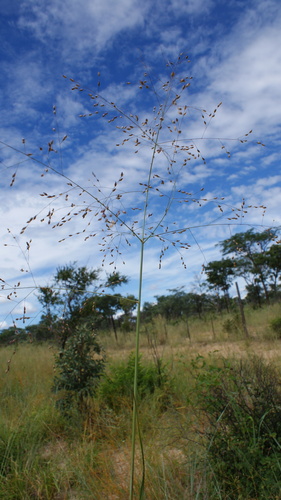
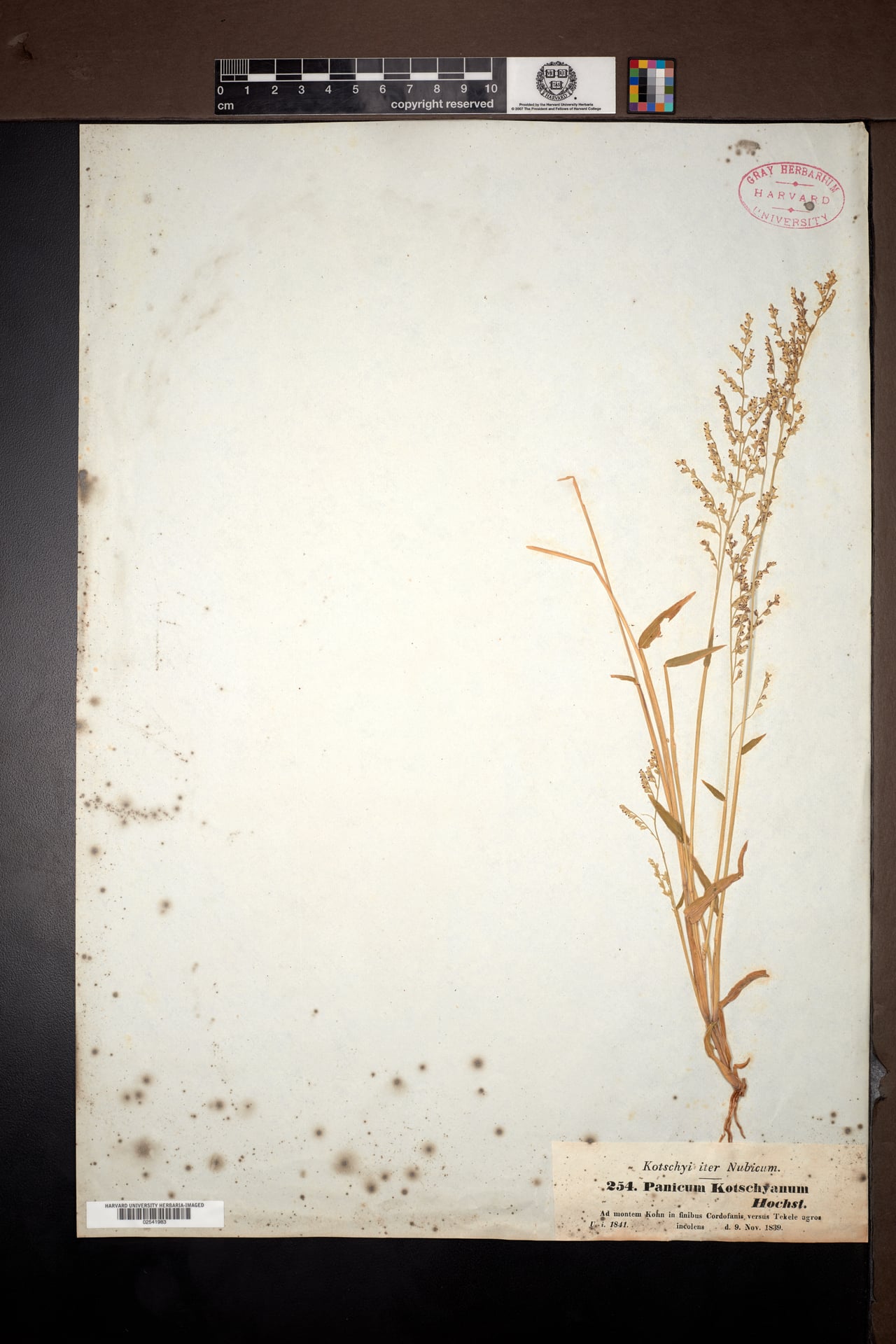
A grass. It is stout and rigid and grows 1.3 m high. It forms tussocks. The leaves are long and tapering. They have thick rough edges. There are up to 15 flower heads per stalk. The seed heads have seeds on one side. These heads are 8 cm long. The spikelets are 4-6 mm long.
Edible Uses
Seeds are sun dried, winnowed, and ground into flour then cooked into a thick porridge. It is used as a famine food.
Traditional Uses
Seeds are sun dried, winnowed, ground into flour then cooked into a thick porridge.
This uses section is brief — help expand it
Known Hazards
The grass can cause a photosensitization syndrome in animals marked by skin lesions, facial edema, and ruminal stasis. The plant contains saponins which accumulate in the animal liver as sapogenin glucuronide crystals, resulting in liver damage. Neurological symptoms such as ataxia can also occur. This is sometimes a fatal condition. The poisoning is more likely to occur in fields that have not been recently grazed.
Distribution
A tropical plant. It grows in hot, arid places. It grows in areas with an annual rainfall above 50 mm. It can grow in semi-desert and on terminate mounds. It grows between 50-2,400 m above sea level. It can tolerate shade. It can grow in arid places.
Where It Grows
Africa, Angola, Asia, Australia, Bolivia, Botswana, Brazil, Burkina Faso, Burundi, Cameroon, Central Africa, Chad, Congo, Côte d'Ivoire, East Africa, Ecuador, Eswatini, Ethiopia, Fiji, Ghana, Guinea, Guinée, Guyana, Indonesia, Ivory Coast, Kenya, Malawi, Malaysia, Middle East, Mozambique, Myanmar, Namibia, Nigeria, Pacific, Papua New Guinea, PNG, Rwanda, SE Asia, Seychelles, Sierra Leone, South Africa, Southern Africa, South America, Sri Lanka, Sudan, Swaziland, Tanzania, Trinidad & Tobago, Uganda, Venezuela, West Africa, Yemen, Zambia, Zimbabwe,
Cultivation
Brachiaria brizantha is found wild mainly in the wetter tropics. It is well adapted to the humid and sub-humid tropics where it can withstand dry seasons of up to 5 months, it can also succeed in cultivation in warm temperate areas. It grows best in areas where annual daytime temperatures are within the range 25 - 35°c, but can tolerate 15 - 38°c. It is tolerant of some frost, though exact details are not known. It prefers a mean annual rainfall in the range 750 - 2,500mm, but tolerates 500 - 4,000mm. Prefers a sunny position, but is tolerant of light to moderate shade. Grows well on a range of soils including sandy and acid soils, though does not tolerate poorly drained soils. The plant is fairly resistant to drought. Prefers a pH in the range 5 - 6, tolerating 4.5 - 7. Some varieties of this plant, including the cultivar 'Marandu', are resistant to the insect spittlebug. Most forms of the plant do not tolerate fire well.
Propagation
Seed - Division of culms or root pieces.
Other Uses
The plant makes a very good ground cover, and is used to protect the soil in tree crop plantations. It is used in India and Australia to protect the soil from erosion.
Other Information
It is a famine food.
Notes
There are about 100 Brachiaria species.
Nutrition
| Part | Moisture | kJ | kcal | Protein | Vit A | Vit C | Iron | Zinc |
|---|---|---|---|---|---|---|---|---|
| Seeds | 5.8 | 917 | 219 | 8.1 | — | — | 3.1 | 4.3 |
Synonyms
Also Known As
Kifuta, Nhacancine, Zinyaruzoka
References (19)
- Bircher, A. G. & Bircher, W. H., 2000, Encyclopedia of Fruit Trees and Edible Flowering Plants in Egypt and the Subtropics. AUC Press. p 63
- Famine foods
- Fowler, D. G., 2007, Zambian Plants: Their Vernacular Names and Uses. Kew. p 69
- Fox, F. W. & Young, M. E. N., 1982, Food from the Veld. Delta Books. p 302
- Heywood, V.H., Brummitt, R.K., Culham, A., and Seberg, O., 2007, Flowering Plant Families of the World. Royal Botanical Gardens, Kew. p 393
Show all 19 references Hide references
- Lazarides, M. & Hince, B., 1993, Handbook of Economic Plants of Australia, CSIRO. p 35
- National Research Council, 1996, Lost crops of Africa. Volume 1 grains, p 259
- D. Prain, Fl. trop. Afr. 9:531. 1919
- Peters, C. R., O'Brien, E. M., and Drummond, R.B., 1992, Edible Wild plants of Sub-saharan Africa. Kew. p 19
- Purseglove, J.W., 1972, Tropical Crops. Monocotyledons. Longmans p 126
- Royal Botanic Gardens, Kew (1999). Survey of Economic Plants for Arid and Semi-Arid Lands (SEPASAL) database. Published on the Internet; http://www.rbgkew.org.uk/ceb/sepasal/internet [Accessed 8th May 2011]
- Ruiters-Welcome, A. K., 2019, Food plants of southern Africa. Ph.D. thesis. Univ. of Johannesburg p 87
- Swaziland's Flora Database http://www.sntc.org.sz/flora (As (A. Rich.) Stapf
- Tredgold, M.H., 1986, Food Plants of Zimbabwe. Mambo Press. p 22
- Wehmeyer, A. S, 1986, Edible Wild Plants of Southern Africa. Data on the Nutrient Contents of over 300 species
- Welcome, A. K. & Van Wyk, B.-E., 2019, An inventory and analysis of the food plants of southern Africa. South African Journal of Botany 122 (2019) 136–179
- World Checklist of Useful Plant Species 2020. Royal Botanic Gardens, Kew (As Urochloa brizantha)
- www.zimbabweflora.co.zw 2011
- Zinyama, L.M., Matiza, T. & Campbell, D.J. 1990. The use of wild foods during periods of food shortage in rural Zimbabwe. Ecology of Food and Nutrition 24(4):231-255.