Bambusa clavata
Stapleton
Chile bans, Jhushing
wikimedia· cc-by-sa
Sajetpa at Malayalam Wikipedia (via Wikimedia Commons)
gbif· cc-by
Royal Botanic Gardens, Kew
Description
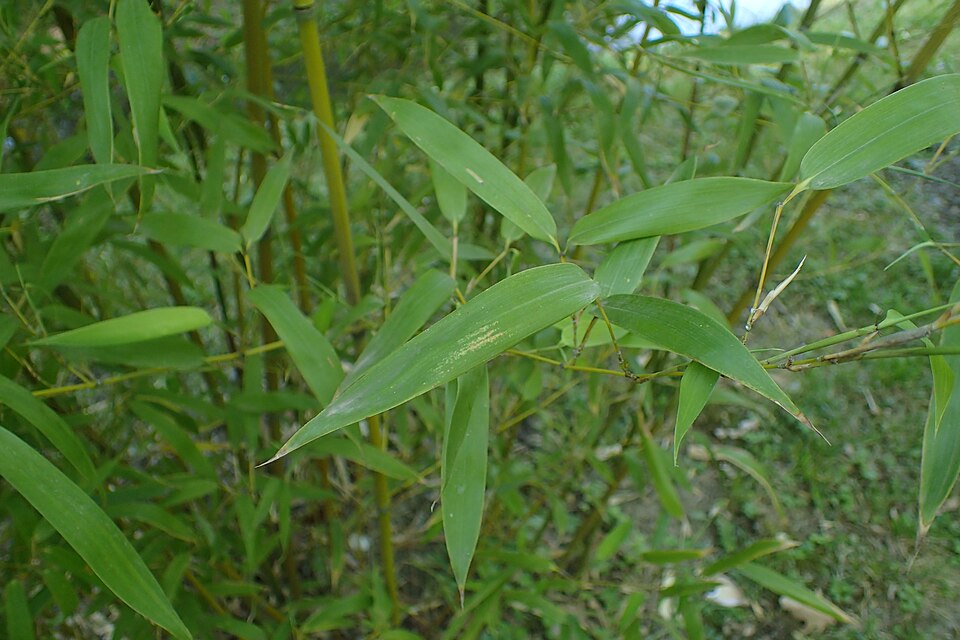
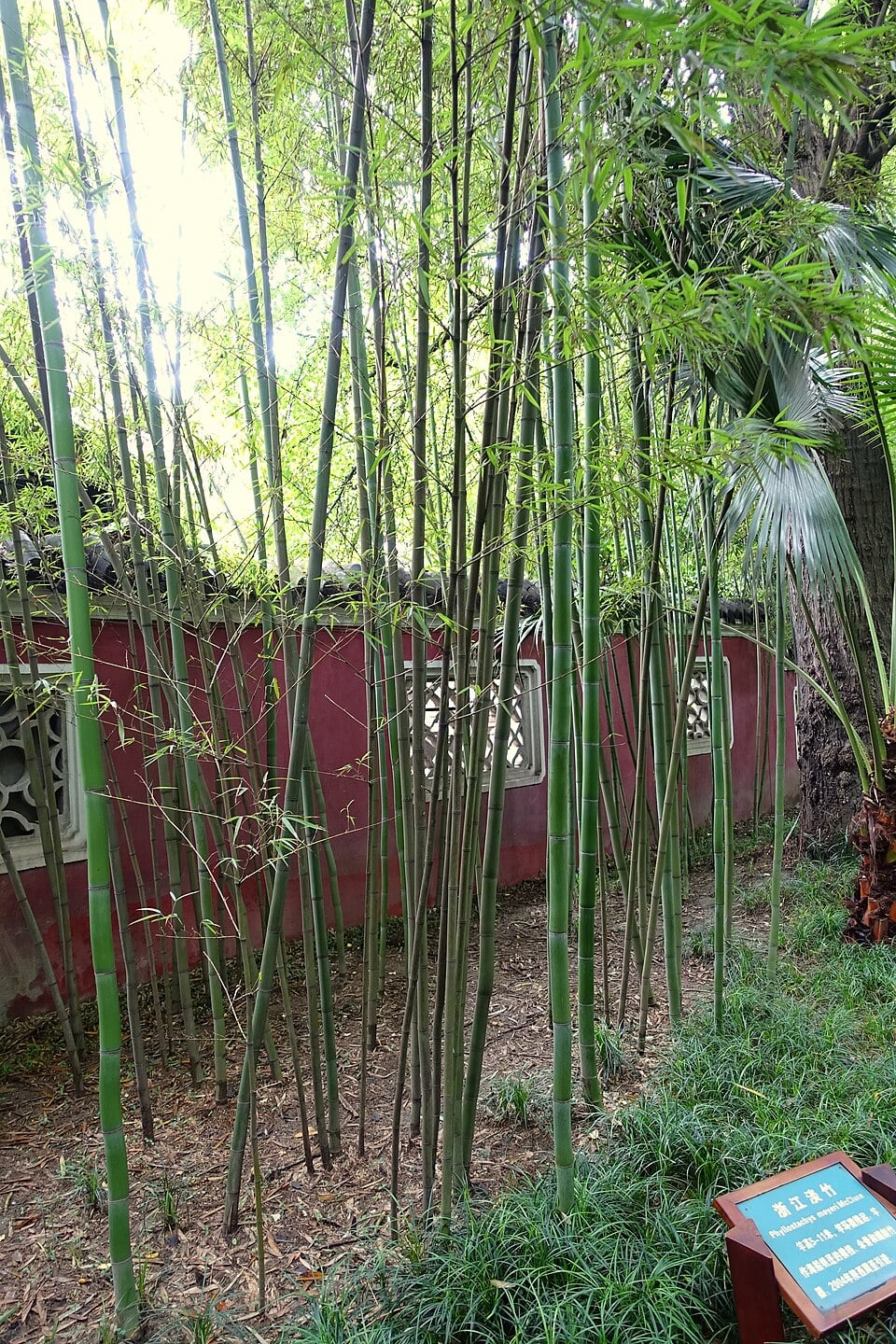
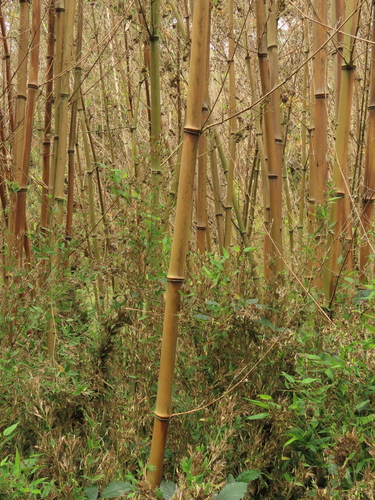
A perennial bamboo species endemic to Bhutan that grows up to 10-12 meters tall, with culms bearing spikelets of 5-8 florets and numerous glumes.
This description is brief — help expand it
Edible Uses
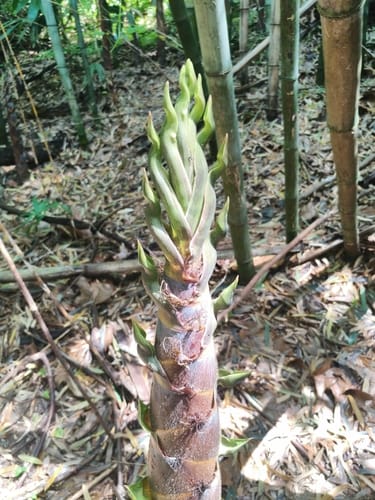
The young shoots, harvested as they emerge from the ground, are used as a vegetable. They are also made into pickles for consumption.
Distribution
A subtropical plant.
Where It Grows
Asia, Bhutan, Himalayas,
Cultivation
Bamboos have an interesting method of growth. Each plant produces a number of new stems annually - these stems grow to their maximum height in their first year of growth, subsequent growth in the stem being limited to the production of new side branches and leaves. In the case of some mature tropical species the new stem could be as much as 30 metres tall, with daily increases in height of 30cm or more during their peak growth time. This makes them some of the fastest-growing species in the world. Bamboos in general are usually monocarpic, living for many years before flowering, then flowering and seeding profusely for a period of 1 - 3 years before usually dying. This species has been recorded as flowering gregariously in the past, with all the plants in an area dying. The species usually recovers slowly from seed.
Other Uses
The stems are used for general construction and handicrafts. The stems are used for light construction and low-quality weaving.
References (1)
- Stapleton, C., 1994, Bamboos of Bhutan. Kew Botanical Gardens. p 21