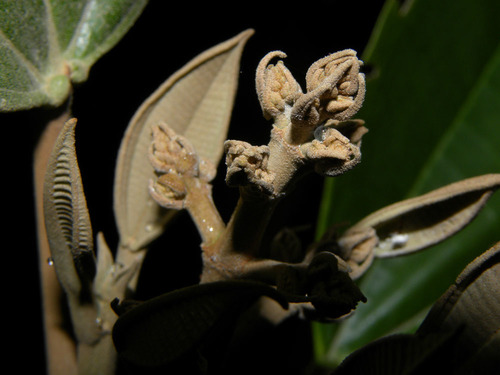
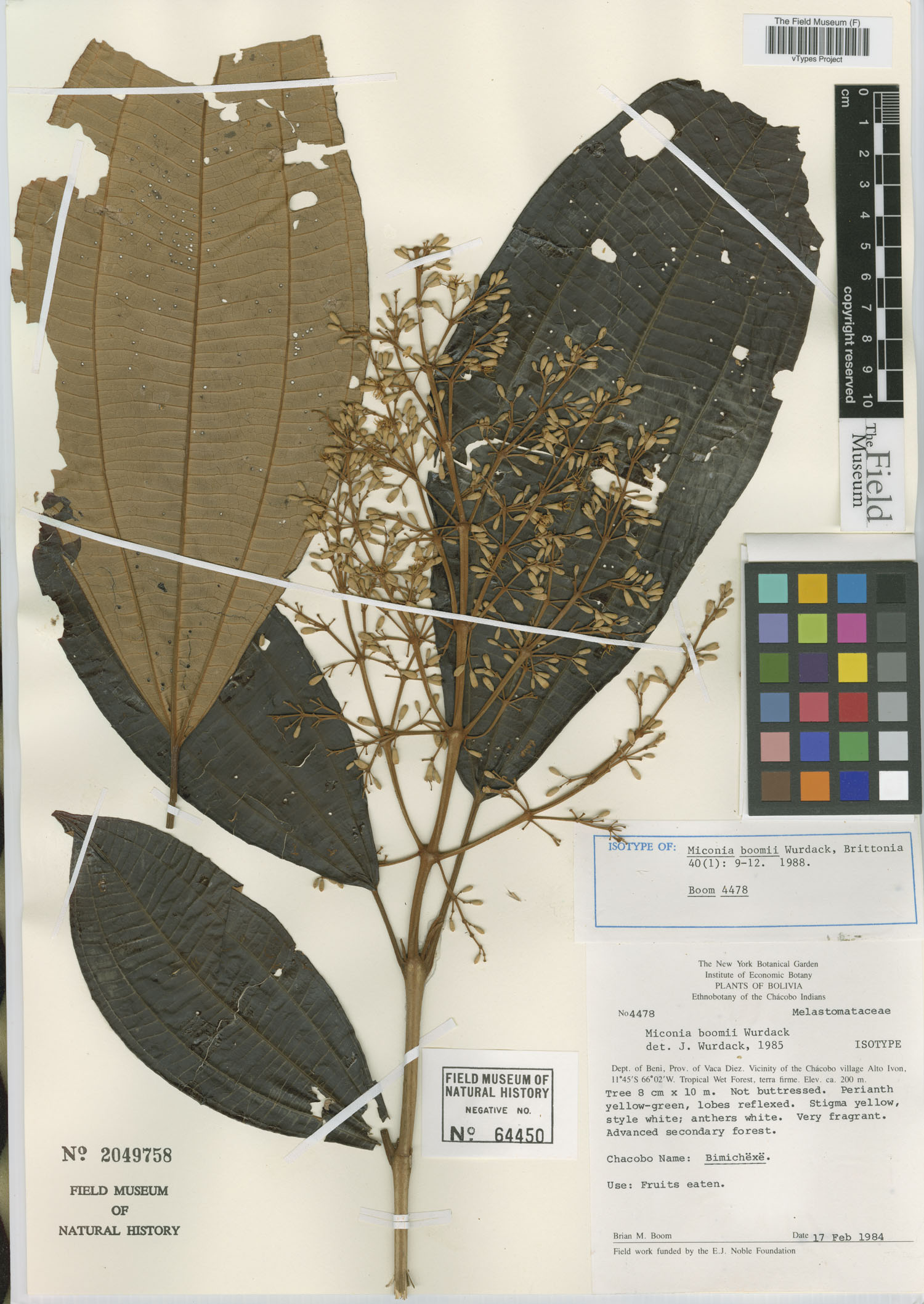
Miconia tomentosa
(L. C. Rich.) D. Don ex DC.
Tomentose maya
iNaturalist· cc-by
(c) Eduardo Chacón Madrigal, some rights reserved (CC BY)
iNaturalist· cc-by
(c) Eduardo Chacón Madrigal, some rights reserved (CC BY)
iNaturalist· cc-by
(c) Eduardo Chacón Madrigal, some rights reserved (CC BY)
Summary
Source: WikipediaMiconia tomentosa is a species of shrub or treelet in the family Melastomataceae. It is native to South America.
Description
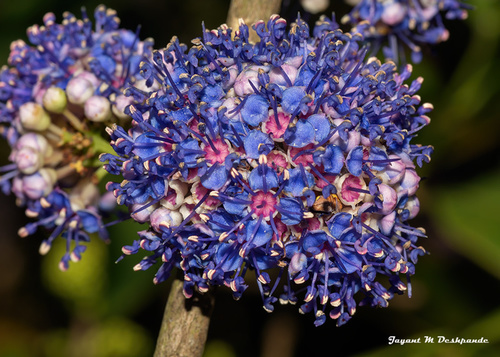
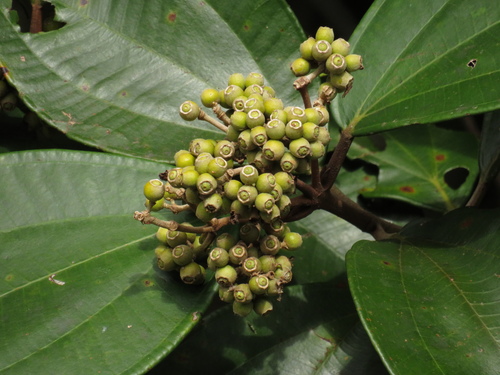
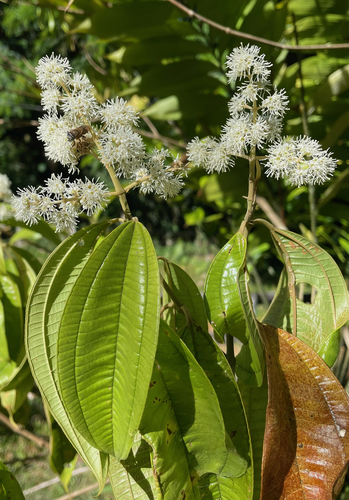
A tree. It grows 13 m tall. The flowers are in groups 10-20 cm long. These are narrow and straight The fruit do not have stalks. The fruit are urn shaped berries. They are 1.1 cm long by 0.8 cm wide. They are light green but turn pink then dark blue. The pulp is edible.
Edible Uses
The fruit pulp is edible.
Medicinal Uses
A decoction of the wood is used as an emetic. The leaves, either with or without the stem bark, are mixed in water and rubbed into the hair to treat dandruff and scalp itch.
Distribution
It is a tropical plant. It grows in rainforest and in savanna.
Where It Grows
Amazon, Bolivia, Brazil, Central America, Colombia, Cuba, Ecuador, Guiana, Guianas, Guyana, Mexico, Panama, Peru, South America, Suriname, Trinidad and Tobago, Venezuela, West Indies,
Other Uses
A yellow dye can be made from the plant (part not specified). The colour can be varied by adding other plants
Synonyms
Also Known As
Bladdermispel, Chuegihue, Hocotsemo, Kleine mispel, Mesproe, Mispel, Mullaca caspi, Oluka, Pichirina, Rifari blanco, Sakai, Wakaradan, Waraia
References (5)
- Bendezu, Y. F., 2018, Arboles nativos de lad Region Ucayali. Instituto Nacional de Innovacion Agraria. p 204
- Grandtner, M. M. & Chevrette, J., 2013, Dictionary of Trees, Volume 2: South America: Nomenclature, Taxonomy and Ecology. Academic Press p 410
- Lopez-Diago, D. & Garcia, N., 2021, Wild edible fruits of Colombia. Biota ColomBiana 22 (2) p 42
- Roa, J. A. G. & Boada, D. S. G., 2018, Fundación para el Fortalecimiento de la Fruticultura y Plantas Alimenticias no Convencionales en Colombia.
- van Roosmalen, M.G.M., 1985, Fruits of the Guianan Flora. Utrecht Univ. & Wageningen Univ. p 279