Osbeckia crinita
Benth. ex C. B. Clarke
iNaturalist· cc-by-nc
(c) onidiras-iNaturalist, some rights reserved (CC BY-NC)
iNaturalist· cc-by-nc
(c) onidiras-iNaturalist, some rights reserved (CC BY-NC)
iNaturalist· cc-by
(c) Aaron Liston, some rights reserved (CC BY)
Description
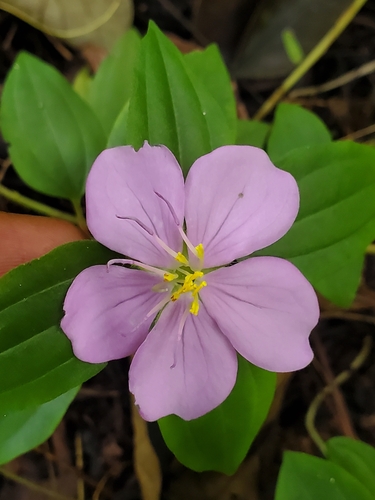
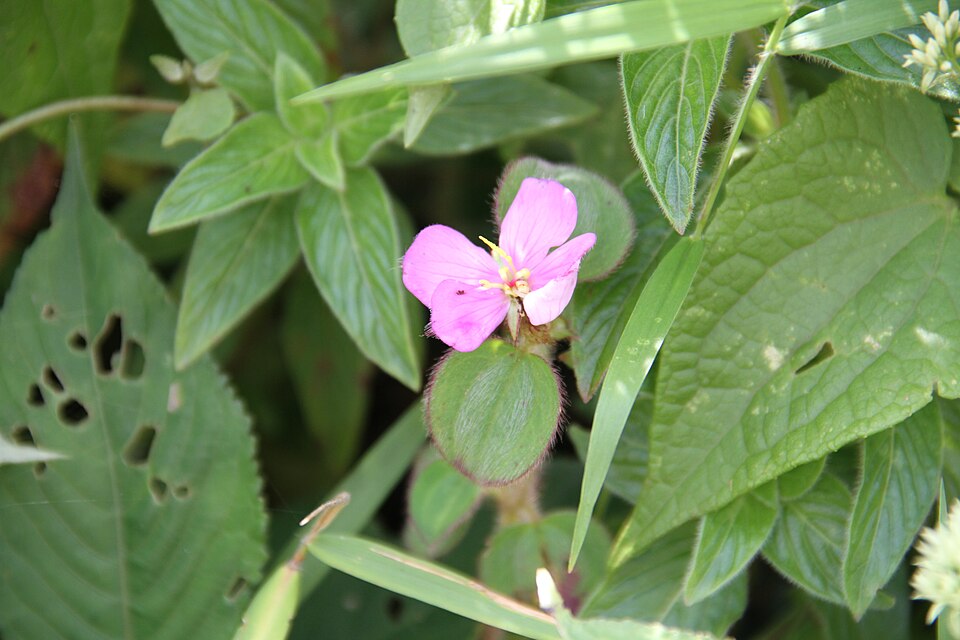
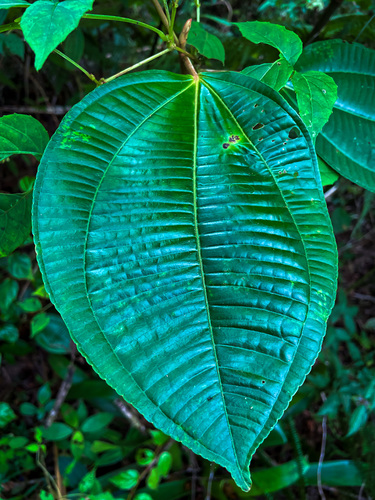
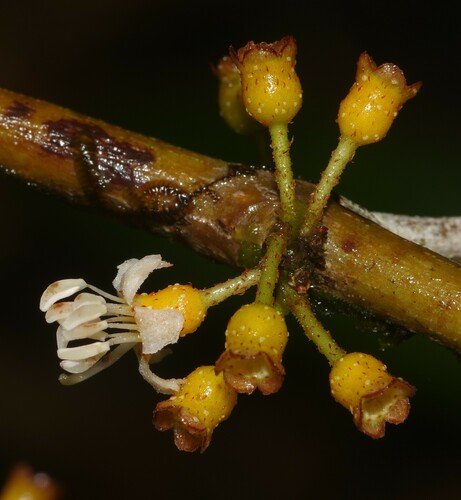
A small shrub. It grows 1 m tall. It is hairy. The stems are reddish. The leaves have veins running along the leaf. The flowers are 5 cm long. They are pink.
Edible Uses
The fruit is eaten as a vegetable, and the flowers are also edible.
Traditional Uses
The fruit are eaten as a vegetable.
This uses section is brief — help expand it
Distribution
It is a subtropical plant. In Yunnan.
Where It Grows
Asia, China, Himalayas, India, Myanmar, Northeastern India, SE Asia, Sikkim,
Synonyms
Also Known As
Chulari, Chulayi, Dieng sohkhing, Khukhe, Imlaklaku, Linda-pabyin, Numbir, Pantaha, Soh-thut, Tukbrum-kung, Wachyang, Wagangga
References (4)
- Chase, P. & Singh, O. P., 2016, Bioresources of Nagaland: A Case of Wild 4 Edible Fruits in Khonoma Village Forest. in J. Purkayastha (ed.), Bioprospecting of Indigenous Bioresources of North-East India. p 50
- Liu, Yi-tao, & Long, Chun-Lin, 2002, Studies on Edible Flowers Consumed by Ethnic Groups in Yunnan. Acta Botanica Yunnanica. 24(1):41-56
- Neogi, B., Prasad, M. N. V. and Rao, R. R., 1989, Ethnobotany of Some Weeds of Khasi and Garo Hills, Meghalaya, Northeastern India. Economic Botany 43(4): 471-479
- Savita, et al, 2006, Studies on wild edible plants of ethnic people in east Sikkim. Asian J. of Bio Sci. (2006) Vol. 1 No. 2 : 117-125