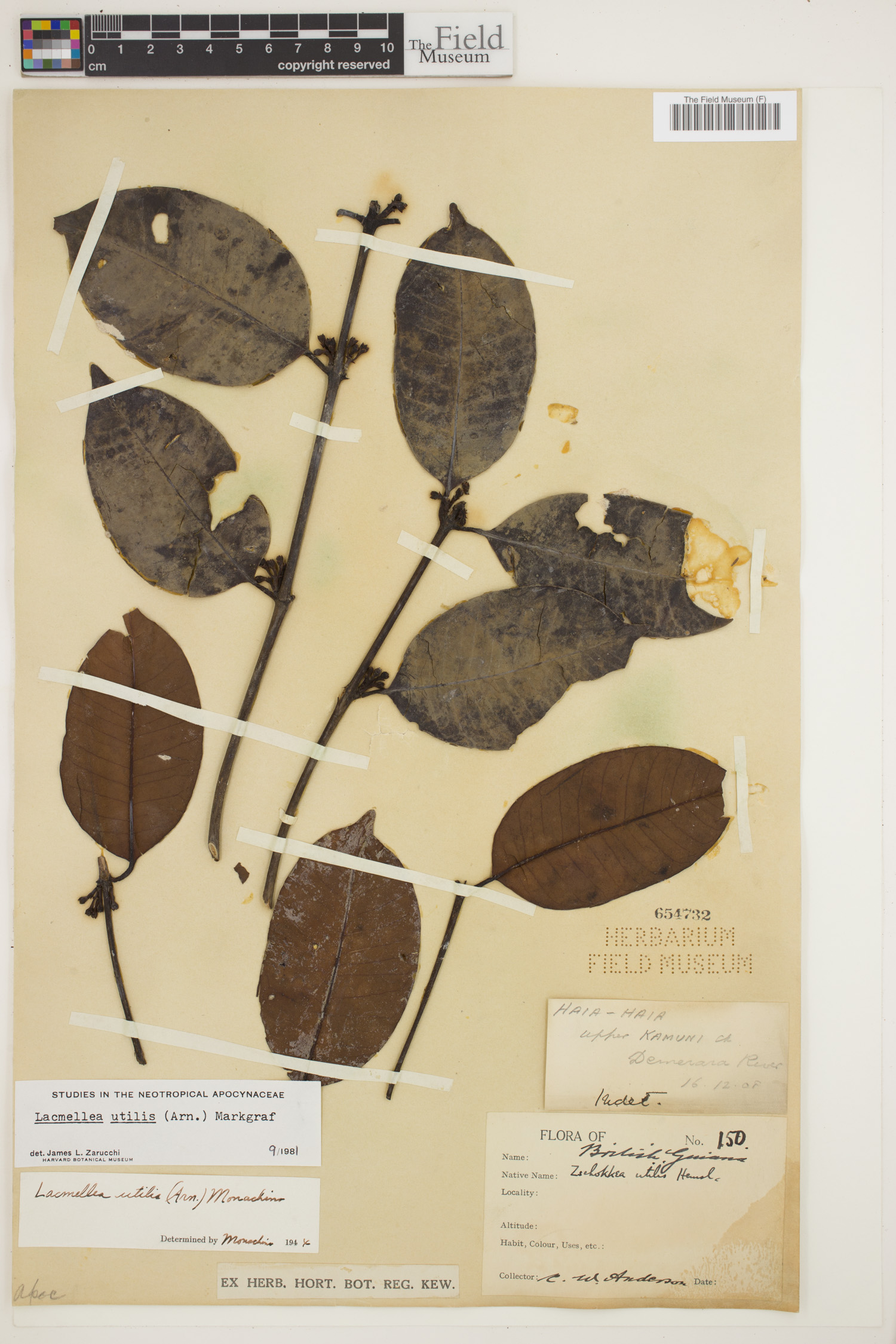
Tabernaemontana undulata
Vahl.
Undulate tabernaemontana
iNaturalist· cc-by-nc
(c) Leonardo Álvarez-Alcázar, some rights reserved (CC BY-NC)
iNaturalist· cc-by-nc
(c) junkiri6, some rights reserved (CC BY-NC)
iNaturalist· cc-by-nc
(c) Alice Bello, some rights reserved (CC BY-NC)
Summary
Source: WikipediaTabernaemontana undulata, the becchete or bëcchëte (pronounced b'-chéw-teh, a Matis and Matsés word for a medicinal plant) is a plant species in the family Apocynaceae. It occurs in the Amazon rainforest.
Description
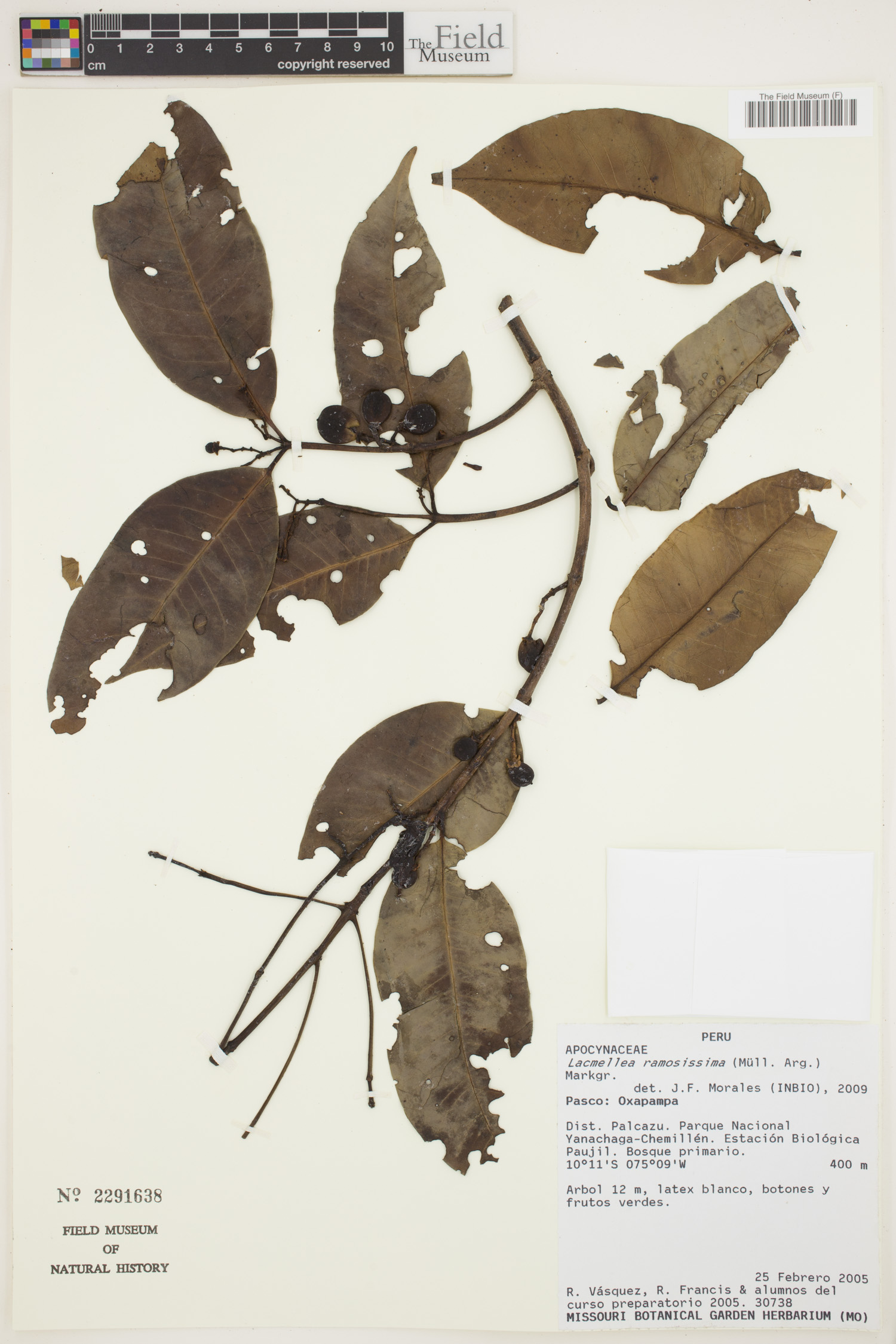
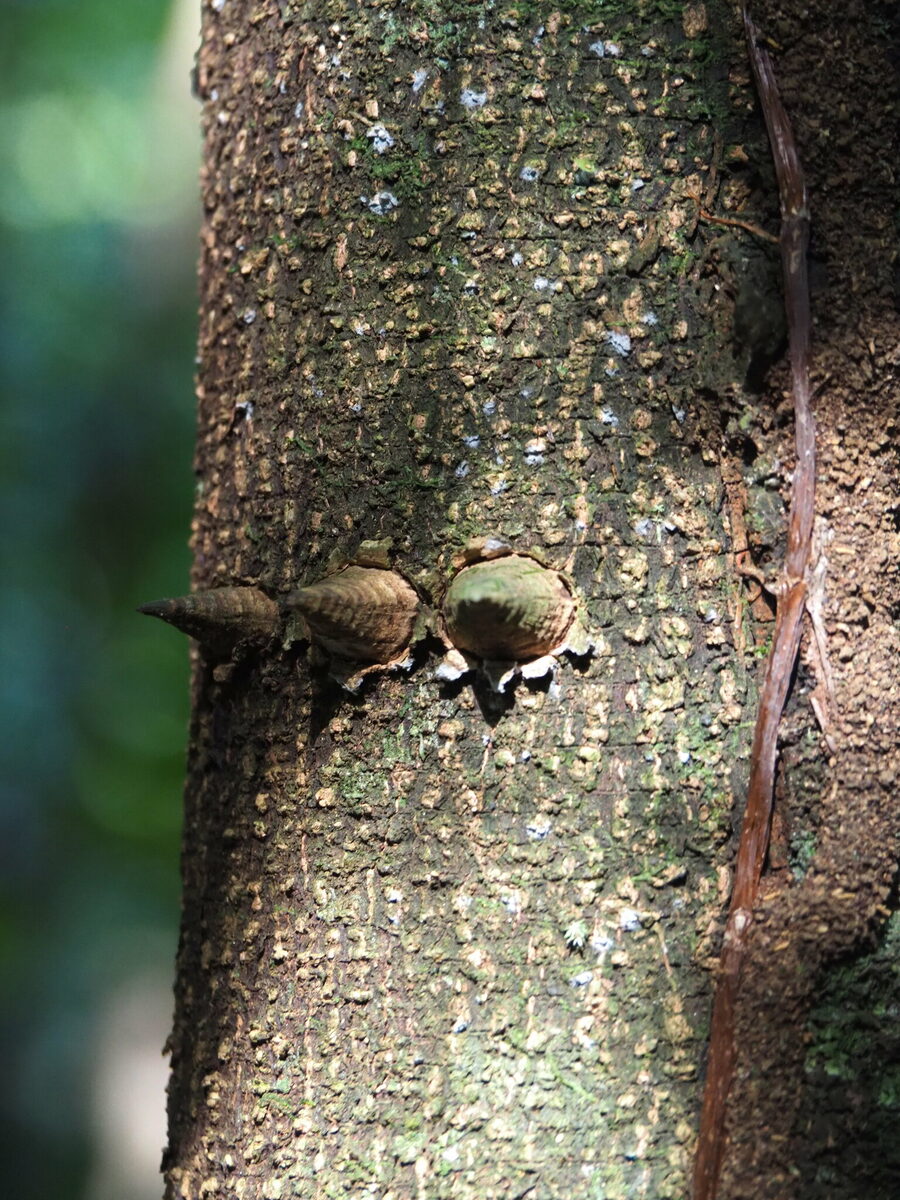
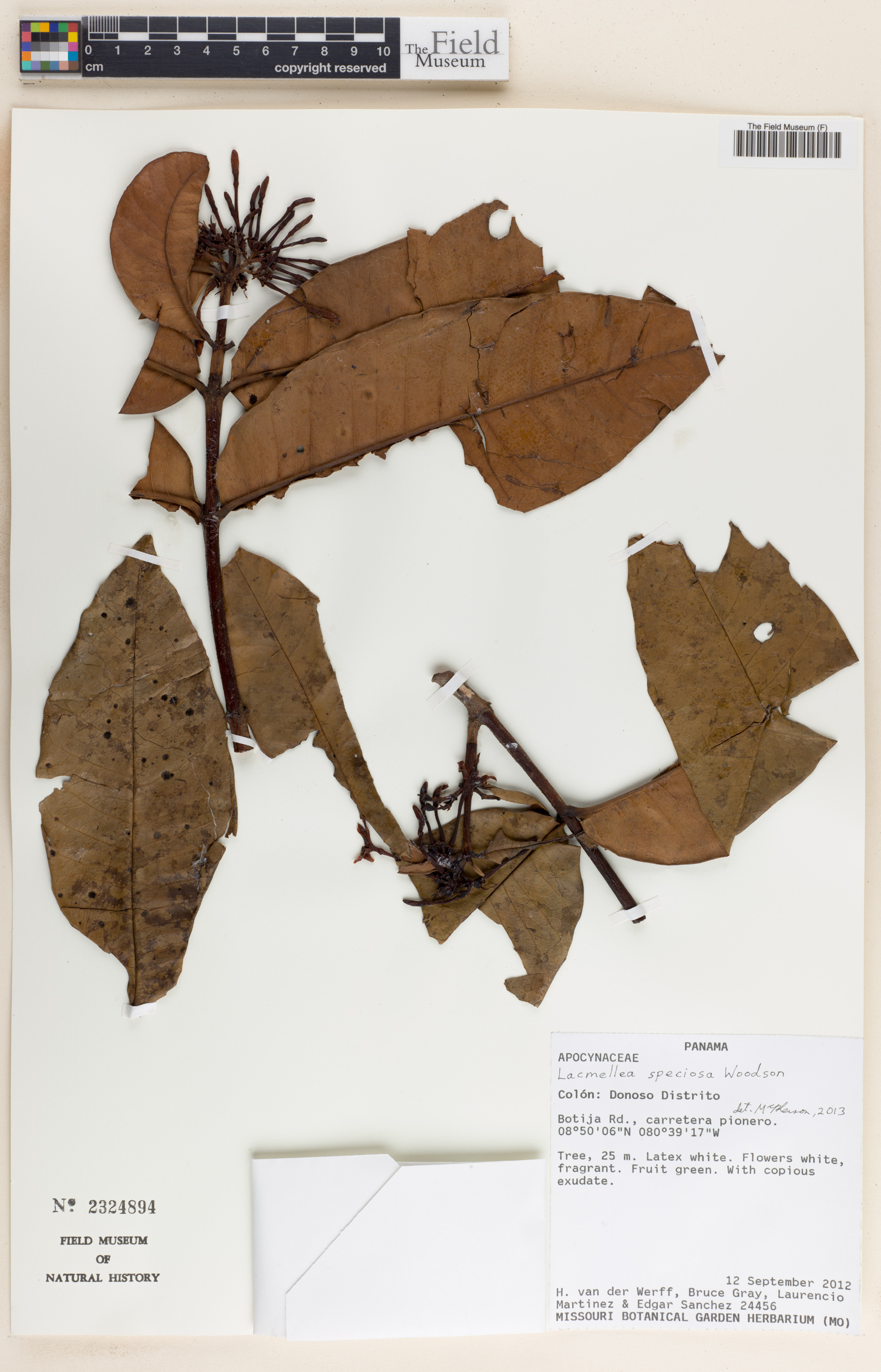
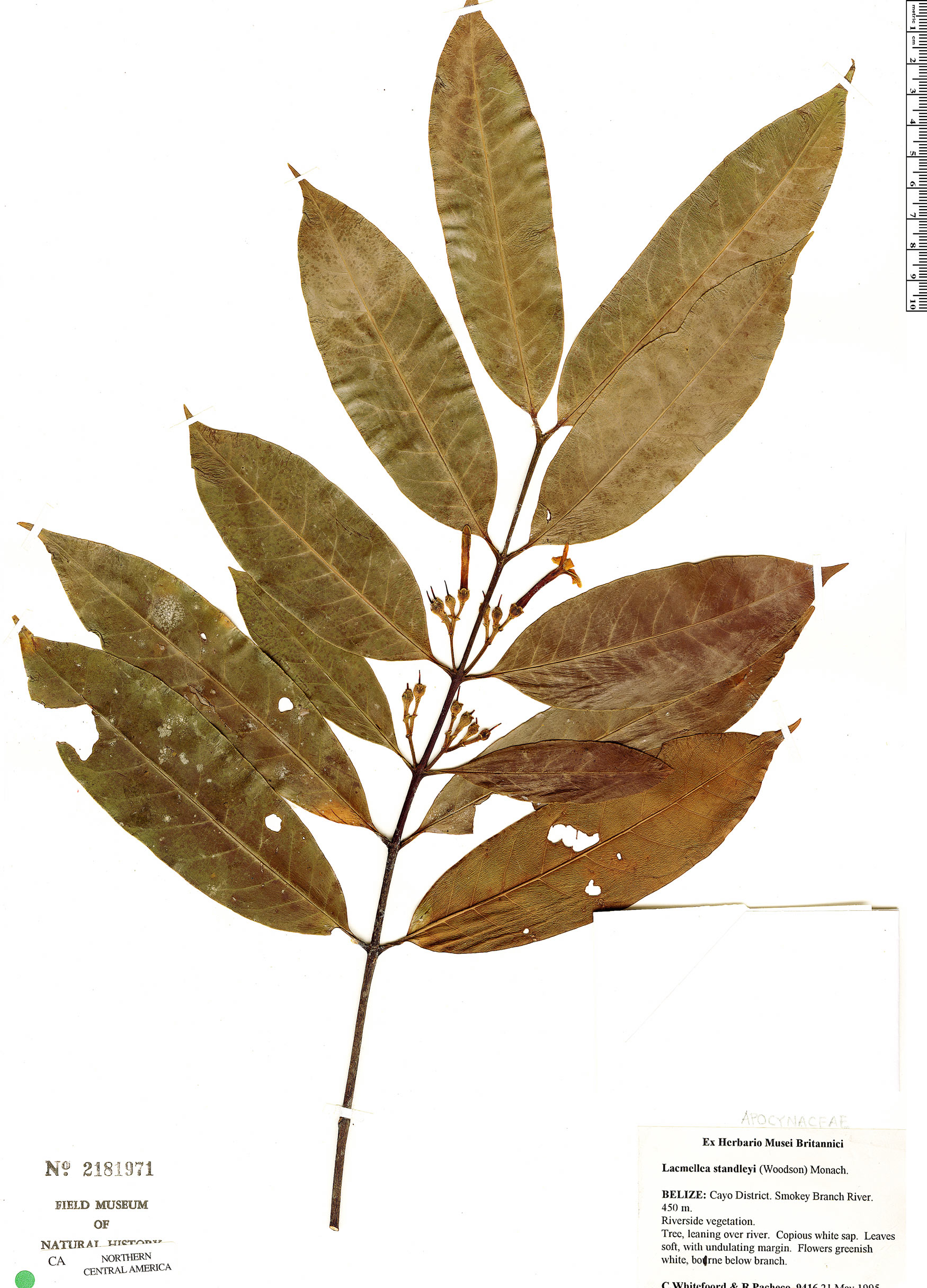
A small tree. It grows 10 m tall. The stems are usually branched at a low level. The leaves are opposite, narrow and pointed. The leaves are pale green underneath. The plant when broken drips latex. The flowers can be pink or white. The fruit stalk is 1 cm long. The fruit is divided into seeded sections that are strongly curved and kidney shaped. These are 4.5 cm long by 3 cm wide and 2.5 cm thick. They are dark brown. There are several seeds. These are oval and 1 cm long by 0.4 cm wide. They are black and have ridges along them.
Edible Uses
The fruit pulp is eaten raw.
Traditional Uses
The fruit pulp is eaten raw.
This uses section is brief — help expand it
Medicinal Uses
The latex obtained from the plant is used for removing 'mosquito worms' from the body, and is placed on cotton plugs for insertion into aching tooth cavities. It is also used to treat munuri ant (Pariponera clavata) bites and sore eyes. The latex obtained from the petiole is applied to the penis as a treatment for gonorrhoea. The root is used to treat headaches. The grated bark is used in a plaster as a treatment for headache, and as a resolvent for treating small abscesses. The macerated leaves are used as an eyewash to remedy conjunctivitis. Macerated in rum, they are applied to swollen feet. The plant (part unspecified) is used to soothe bites, skin irritations and snakebite wounds. Alkaloids found in the stem-bark include conopharyngine, jollyanine, voacangine, isovoacangine, ibophyllidine, coronaridine and heyneanine. The leaves contain the alkaloids angustine, pleiocarpamine, tubotaiwine, hydroxycoronaridine and hydroxyheyneanine.
Distribution
It is a tropical plant. It is an understorey plant in the rainforest. It grows in wet areas.
Where It Grows
Amazon, Bolivia, Brazil, Caribbean, Central America, Colombia, Costa Rica, Ecuador, French Guiana, Guianas, Guyana, Panama, South America, Suriname, USA, Venezuela,
Synonyms
Also Known As
Bita-oaw, Buri, Guachimacan, Huevos de gato, Jazmin de monte, Katawata-tiki, Man-batibati, Merkitiki, Mun kunakap, Palo de gavilan, Palo de guanaguanare, Pero-ishi-lokodo, Pikin-mapa, Torodamashi
References (5)
- Condit, R., et al, 2011, Trees of Panama and Costa Rica. PrincetonField Guides. p 74
- Fouqué, A. 1972. Espèces fruitières d'Amérique tropicale. Institut français de recherches fruitierès outre-mer (ifac)
- Grandtner, M. M. & Chevrette, J., 2013, Dictionary of Trees, Volume 2: South America: Nomenclature, Taxonomy and Ecology. Academic Press p 650
- Roa, J. A. G. & Boada, D. S. G., 2018, Fundación para el Fortalecimiento de la Fruticultura y Plantas Alimenticias no Convencionales en Colombia.
- van Roosmalen, M.G.M., 1985, Fruits of the Guianan Flora. Utrecht Univ. & Wageningen Univ. p 34