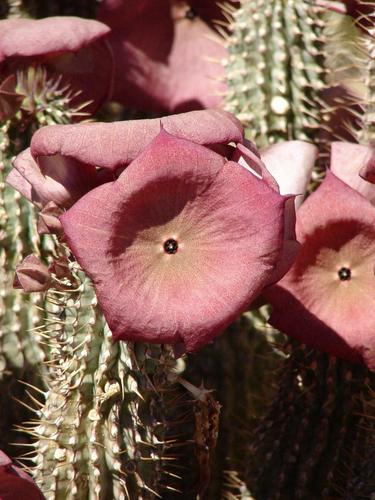
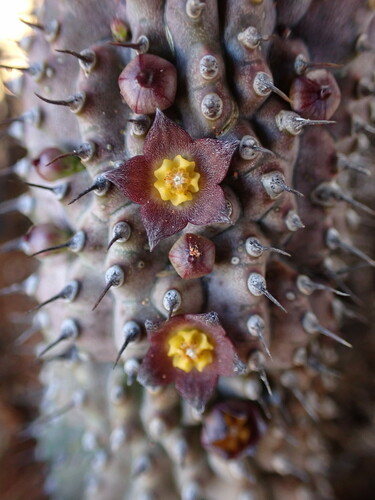
Cynanchum orangeanum
(Schltr.) N. E. Br.
Wilde piesand
iNaturalist· cc-by-nc-sa
(c) David Hoare, some rights reserved (CC BY-NC-SA), uploaded by David Hoare
iNaturalist· cc-by-sa
(c) Nicola van Berkel, some rights reserved (CC BY-SA)
Description
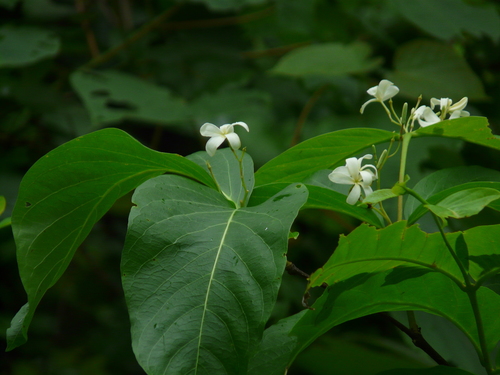
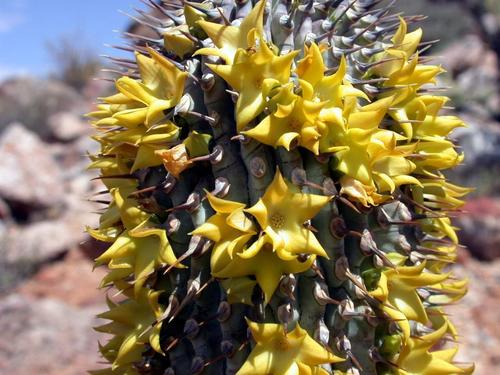
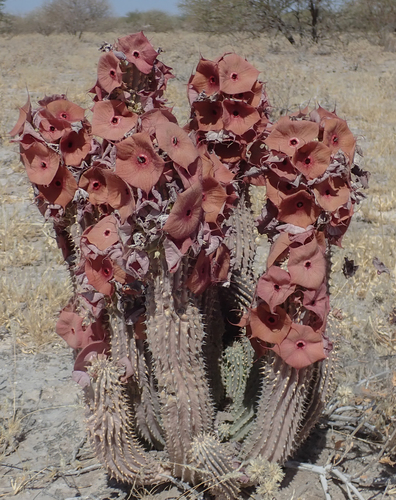
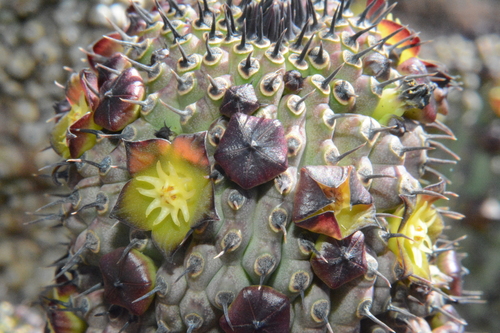
An erect herb that keeps growing from year to year. It grows up to 20 cm tall. The leaves are simple and like threads. They are 3-5 cm long and 1 mm wide. The flowers are small and white to green. They occur as 1-5 in a group. The fruit are spindle shaped and occur in pairs with many seeds.
Edible Uses
The young fruits are eaten.
Traditional Uses
The young fruit are eaten.
This uses section is brief — help expand it
Medicinal Uses
The roots are chewed to treat a sore throat and tonsillitis. Cut and boiled, they are taken to treat pain in the neck and severe coughing, including bloody sputum, especially when they occur at the same time. A decoction is drunk to treat stomach-ache.
Distribution
It is a subtropical plant. It grows in hot and arid zones. It is often on rocky or sandy soils. In southern Africa it grows between 1,000-1,500 m above sea level. It can grow in arid places.
Where It Grows
Africa, Botswana, East Africa, Namibia, South Africa, Southern Africa, Zimbabwe,
Synonyms
Also Known As
Kanibe
References (2)
- Royal Botanic Gardens, Kew (1999). Survey of Economic Plants for Arid and Semi-Arid Lands (SEPASAL) database. Published on the Internet; http://www.rbgkew.org.uk/ceb/sepasal/internet [Accessed 30th March 2011]
- World Checklist of Useful Plant Species 2020. Royal Botanic Gardens, Kew