Pavonia urens
Cav.
Stinging pavonia
iNaturalist· cc-by-nc
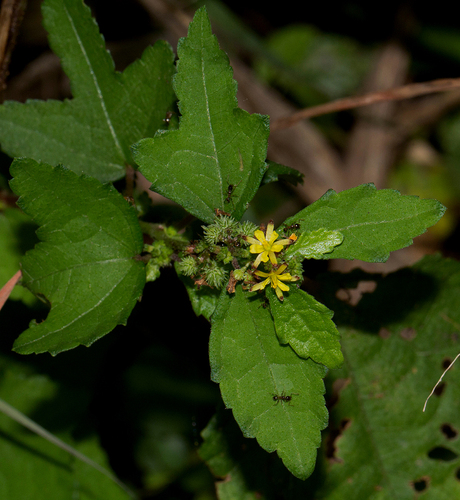
(c) bryanadkins, some rights reserved (CC BY-NC)
iNaturalist· cc-by-nc
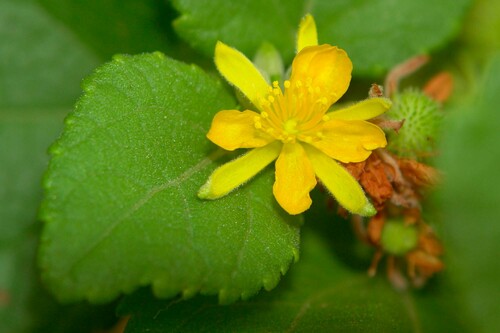
(c) Bart Wursten, some rights reserved (CC BY-NC), uploaded by Bart Wursten
iNaturalist· cc-by-nc
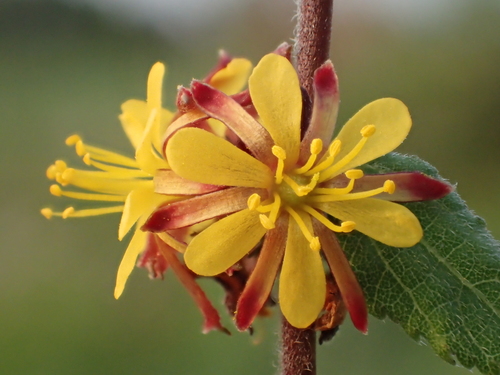
(c) Yuwaraj Gurjar, some rights reserved (CC BY-NC), uploaded by Yuwaraj Gurjar
Description
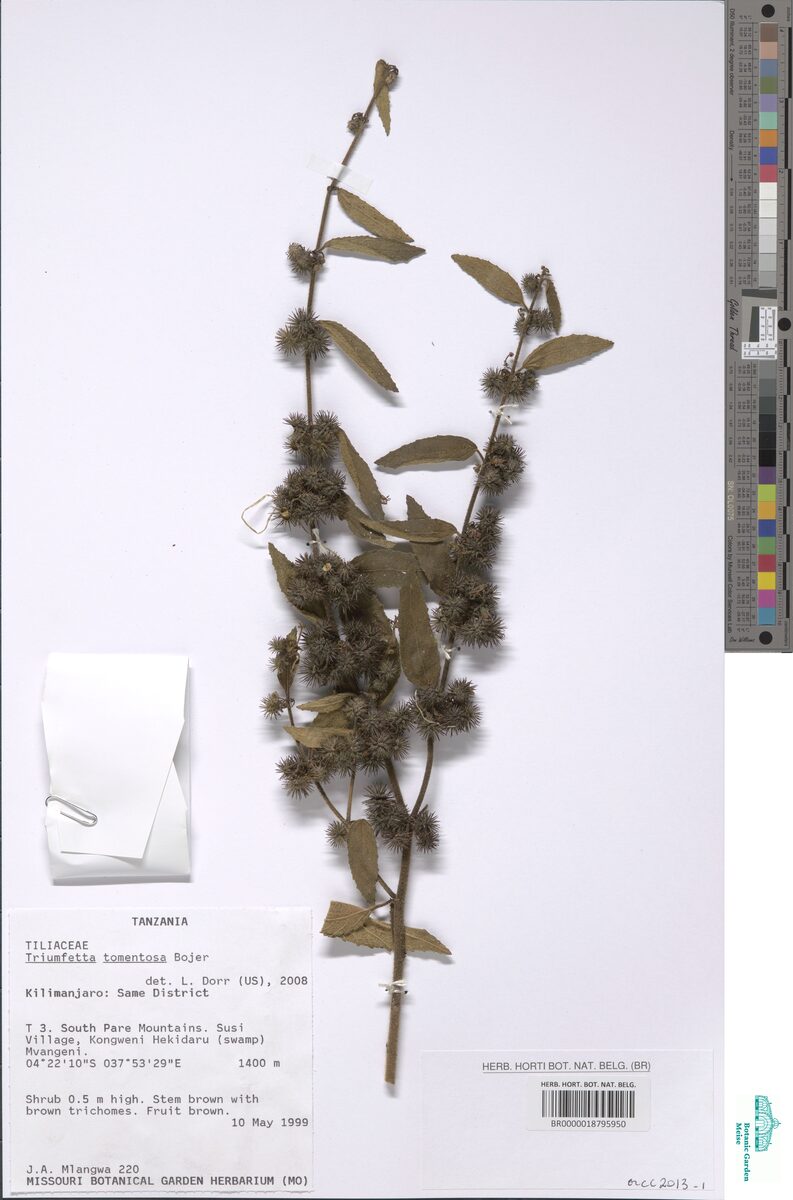
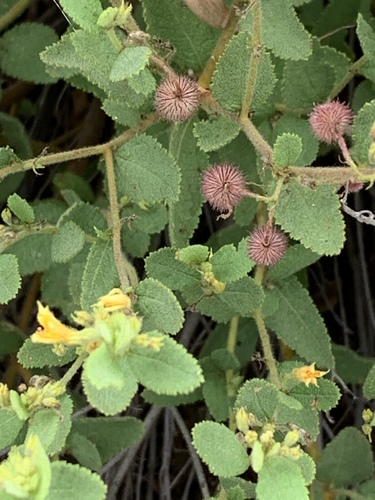
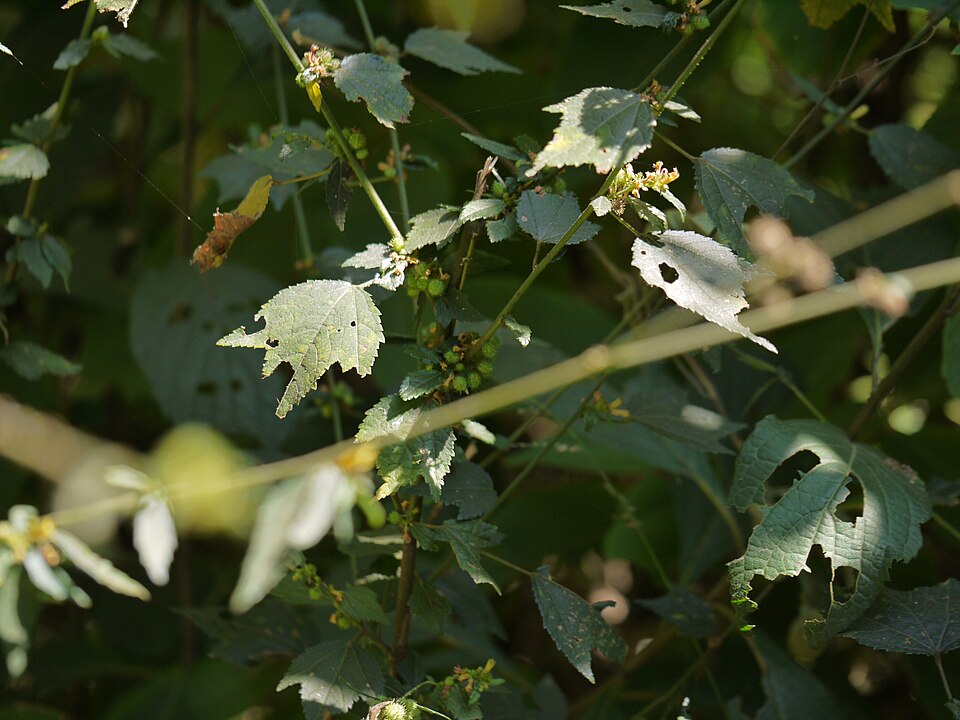
A rambling shrub. The stems are soft. It grows 3 m tall. The stems and leaves are hairy. These can cause itching when touched. The flowers are purplish-red. The plant can vary in hairiness, leaf shape and flower colour.
Edible Uses
The flowers are cooked and eaten; the fruit is also edible.
Traditional Uses
The flowers are cooked and eaten.
This uses section is brief — help expand it
Medicinal Uses
The root is used for medicinal purposes.
Known Hazards
The hairy stems and leaves cause itching when touched.
Distribution
It is a tropical plant. It grows on the edge of forests. In Malawi it grows between 1,550-2,200 m altitude. In Zimbabwe it grows between 600-2,000 m above sea level.
Where It Grows
Africa, Angola, Cameroon, Central Africa, Congo DR, Côte d'Ivoire, East Africa, Eritrea, Ethiopia, Guinea, Guinée, Ivory Coast, Madagascar, Malawi, Mozambique, Nigeria, Reunion, Senegal, South Africa, Southern Africa, Sudan, Tanzania, Uganda, West Africa, Zambia, Zimbabwe,
Cultivation
A plant of the moist tropics, where it is usually found at elevations from 600 - 2,000 metres.
Other Uses
A fibre obtained from the bark is used for making cloth and cordage.
Notes
The root is used for medicine.
Synonyms
Also Known As
Chatata, Nchima, Tchone, Thoni
References (7)
- Chapman, J. D. & Chapman, H. M., 2001, The Forest Flora of Taraba and Andamawa States, Nigeria. WWF & University of Canterbury. p 187
- Diss. 3:137, t. 49, fig. 1. 1787
- Fowler, D. G., 2007, Zambian Plants: Their Vernacular Names and Uses. Kew. p 82
- Peters, C. R., O'Brien, E. M., and Drummond, R.B., 1992, Edible Wild plants of Sub-saharan Africa. Kew. p 145
- White, F., Dowsett-Lemaire, F. and Chapman, J. D., 2001, Evergreen Forest Flora of Malawi. Kew. p 355
Show all 7 references Hide references
- Williamson, J., 2005, Useful Plants of Malawi. 3rd. Edition. Mdadzi Book Trust. p 189
- World Checklist of Useful Plant Species 2020. Royal Botanic Gardens, Kew