Eriosema nutans
Schinz
iNaturalist· cc-by-nc
(c) Pieter, some rights reserved (CC BY-NC), uploaded by Pieter
iNaturalist· cc-by-nc
(c) Troos van der Merwe, some rights reserved (CC BY-NC)
Description
A herb. It grows 1.5 m high. The branches can be erect or laying over. It grows from a thick root stock. The leaves have 3 leaflets. The flowers are in dense clusters. The flowers are small and pea-like.
Edible Uses
The roots are eaten raw, especially by children.
Traditional Uses
The roots are eaten raw by children.
This uses section is brief — help expand it
Distribution
It is a tropical plant. It is common in NE tropical Africa. It is rare in Swaziland. It grows in seasonal swamps and cultivated areas. It can grow in arid places.
Where It Grows
Africa, Central Africa, Congo, East Africa, Eswatini, Ethiopia, Kenya, Malawi, Mozambique, Nigeria, Rwanda, South Africa, Southern Africa, Sudan, Swaziland, Tanzania, Uganda, West Africa, Zambia, Zimbabwe,
Cultivation
This species has a symbiotic relationship with certain soil bacteria; these bacteria form nodules on the roots and fix atmospheric nitrogen. Some of this nitrogen is utilized by the growing plant but some can also be used by other plants growing nearby.
Propagation
Like many species within the family Fabaceae, once they have ripened and dried the seeds of this species may benefit from scarification before sowing in order to speed up and improve germination. This can usually be done by pouring a small amount of nearly boiling water on the seeds (being careful not to cook them!) and then soaking them for 12 - 24 hours in warm water. By this time they should have imbibed moisture and swollen - if they have not, then carefully make a nick in the seedcoat (being careful not to damage the embryo) and soak for a further 12 hours before sowing.
Other Information
It is eaten especially by children.
Synonyms
Also Known As
Chinkwisi, Khenogwane, Khunguswa, Kurte
References (13)
- Ashagre, M., et al, 2016, Ethnobotanical study of wild edible plants in Burji District, Segan Area Zone of Southern Nations, Nationalities and Peoples Region (SNNPR), Ethiopia. Journal of Ethnobiology and Ethnomedicine (2016) 12:32
- Bull. Herb. Boissier ser. 2, 8:629. 1908
- Burkill, H. M., 1985, The useful plants of west tropical Africa, Vol. 3. Kew.
- Fox, F. W. & Young, M. E. N., 1982, Food from the Veld. Delta Books. p 209
- Long, C., 2005, Swaziland's Flora - siSwati names and Uses http://www.sntc.org.sz/flora/
Show all 13 references Hide references
- Peters, C. R., O'Brien, E. M., and Drummond, R.B., 1992, Edible Wild plants of Sub-saharan Africa. Kew. p 134
- Royal Botanic Gardens, Kew (1999). Survey of Economic Plants for Arid and Semi-Arid Lands (SEPASAL) database. Published on the Internet; http://www.rbgkew.org.uk/ceb/sepasal/internet [Accessed 28th April 2011]
- Ruiters-Welcome, A. K., 2019, Food plants of southern Africa. Ph.D. thesis. Univ. of Johannesburg p 57
- Swaziland's Flora Database http://www.sntc.org.sz/flora
- van Wyk, Ben-Erik, 2019, The diversity and multiple uses of southern African legumes. Australian Systematic Botany, 2019, 32, 519–546
- Welcome, A. K. & Van Wyk, B.-E., 2019, An inventory and analysis of the food plants of southern Africa. South African Journal of Botany 122 (2019) 136–179
- Williamson, J., 2005, Useful Plants of Malawi. 3rd. Edition. Mdadzi Book Trust. p 110
- World Checklist of Useful Plant Species 2020. Royal Botanic Gardens, Kew
More from Fabaceae
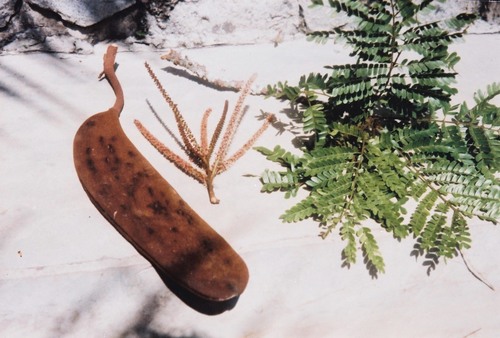
Pentaclethra macrophylla
Oil Bean Tree, Owala oil
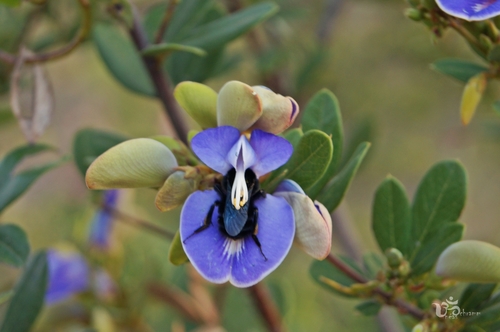
Periandra mediterranea
Brazilian licorice
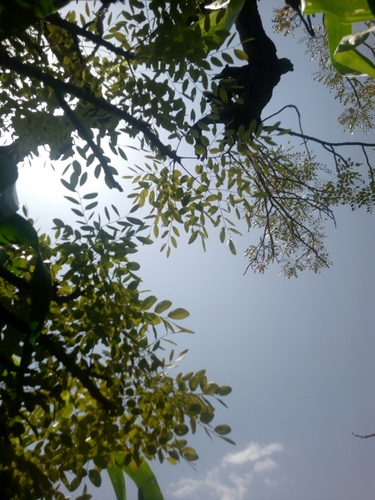
Pericopsis laxiflora
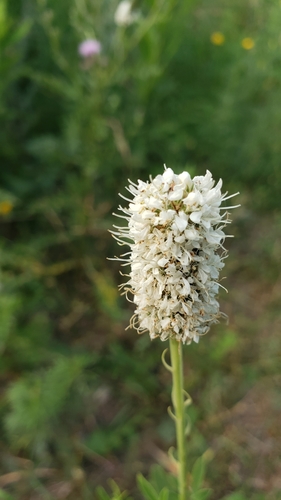
Petalostemon candidum var. oligophyllus
White prairie clover
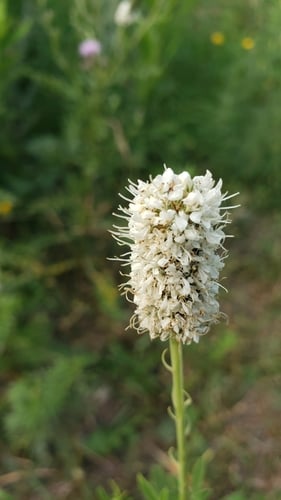
Petalostemon candidus
White prairie clover, Prairie clover, White-tassel flower
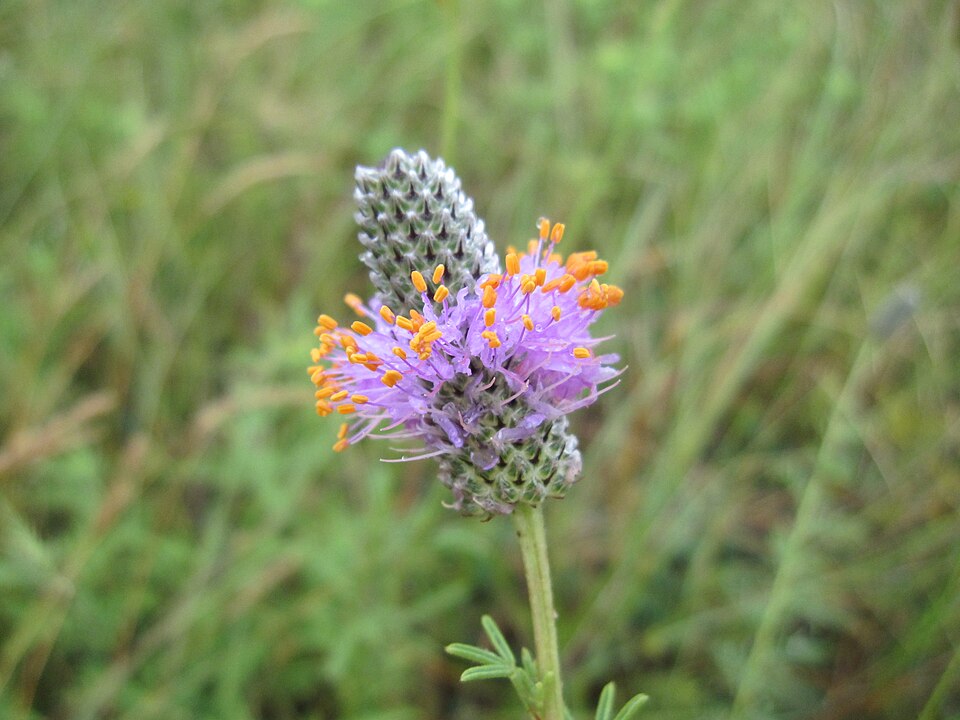
Petalostemon purpureus
Purple prairie clover, Violet prairie clover