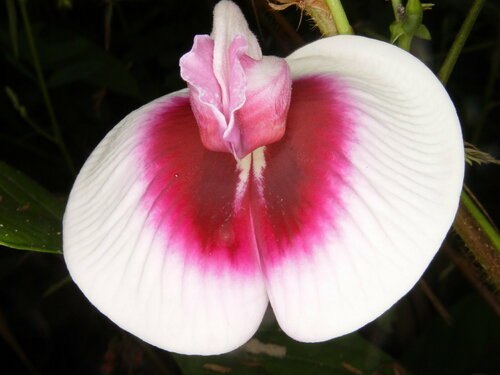
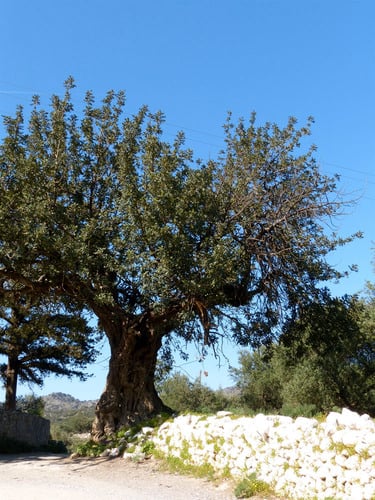
Crotalaria cephalotes
Steud. ex A Rich.
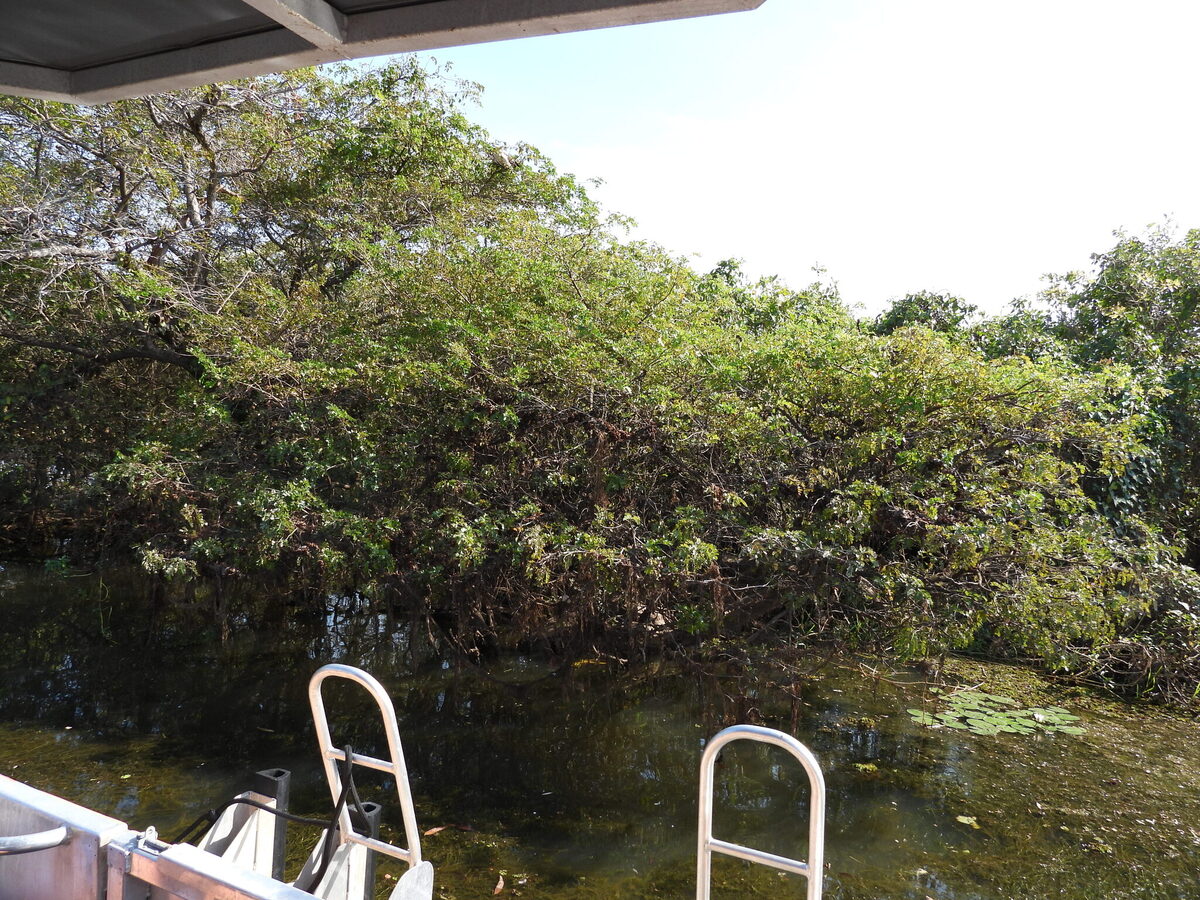
iNaturalist· cc-by-nc-sa
(c) Marco Schmidt, some rights reserved (CC BY-NC-SA), uploaded by Marco Schmidt
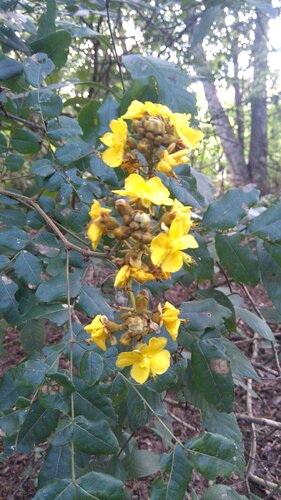
iNaturalist· cc-by
(c) i_c_riddell, some rights reserved (CC BY)
iNaturalist· cc-by
(c) i_c_riddell, some rights reserved (CC BY)
Description
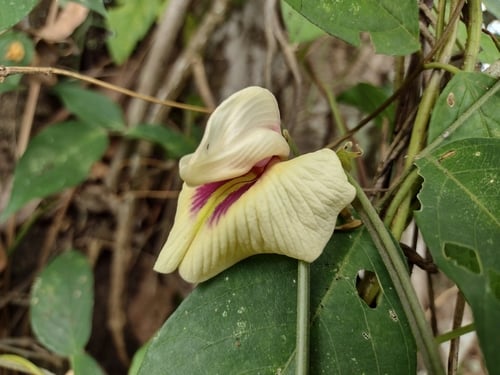
A slightly woody herb. It grows 15-20 cm high. It has silky hairs. There are several branches curving upwards. The leaves have 3 leaflets. They are crowded near the flowers. The leaflets are narrow and sword shaped. The flowers are small and yellow. The fruit are pods 4-6 mm.
Edible Uses
The leaves are cooked and eaten as a vegetable.
Traditional Uses
The leaves are cooked and eaten.
This uses section is brief — help expand it
Distribution
It is a tropical plant. It rows in rough grassland and dry rocky places. In Zimbabwe, it grows up to 1,700 m above sea level.
Where It Grows
Africa, Angola, Burkina Faso, Central Africa, East Africa, Ethiopia, Ghana, Malawi, Mozambique, Nigeria, Senegal, West Africa, Zambia, Zimbabwe,
Other Information
It is occasionally harvested.
Also Known As
Chisunkhuthu, Nselema, Ukuniwajuwa
References (7)
- Abukutsa-Onyango, M.O., 2004. Crotalaria brevidens Benth. [Internet] Record from Protabase. Grubben, G.J.H. & Denton, O.A. (Editors). PROTA (Plant Resources of Tropical Africa), Wageningen, Netherlands. < http://database.prota.org/search.htm>. Accessed 15 October 2009.
- Burkill, H. M., 1985, The useful plants of west tropical Africa, Vol. 3. Kew.
- Grubben, G. J. H. and Denton, O. A. (eds), 2004, Plant Resources of Tropical Africa 2. Vegetables. PROTA, Wageningen, Netherlands. p 230
- Peters, C. R., O'Brien, E. M., and Drummond, R.B., 1992, Edible Wild plants of Sub-saharan Africa. Kew. p 132
- Tent. fl. abyss. 1:156. 1847
Show all 7 references Hide references
- Williamson, J., 2005, Useful Plants of Malawi. 3rd. Edition. Mdadzi Book Trust. p 82
- World Checklist of Useful Plant Species 2020. Royal Botanic Gardens, Kew