Cordiera elliptica
(Cham.) Kuntze
Marmelada-de-pinto
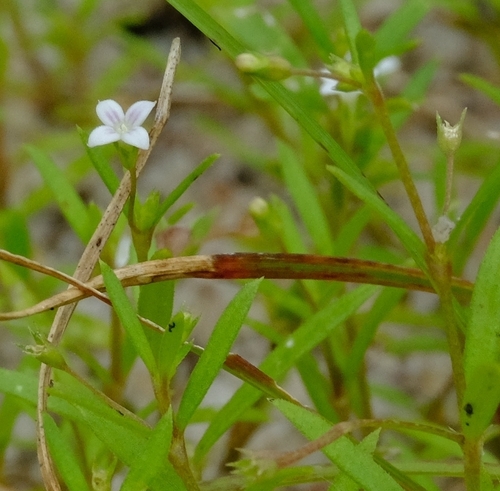
iNaturalist· cc-by-nc-sa
(c) Mauricio Mercadante, some rights reserved (CC BY-NC-SA)
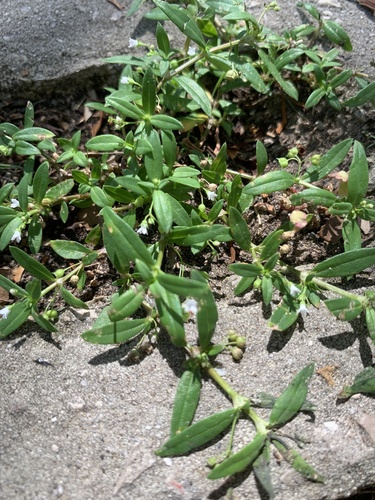
iNaturalist· cc-by-nc
(c) Thiago RBM, some rights reserved (CC BY-NC)
iNaturalist· cc-by-nc
(c) Thiago RBM, some rights reserved (CC BY-NC)
Description
A shrub. It grows 1-2 m tall. The leaves are leathery and of a uniform colour but dull on the upper surface. The leaves are 5-11 cm long. The male and female flowers are on separate plants. The female flowers are white and occur singly. The male flowers are in clusters in the axils of leaves. The fruit are round, black berries. They are 1-2 cm across. They have a thin skin and sweet pulp. They contain many seeds.
Edible Uses
The fruit are eaten fresh, though they are not greatly appreciated as a food source.
Traditional Uses
The fruit are eaten fresh.
This uses section is brief — help expand it
Distribution
It is a tropical plant. It grows naturally in scrubland in Brazil. It grows in savannah.
Where It Grows
Amazon, Brazil*, Paraguay, South America,
Cultivation
Plants are grown from seed.
Other Information
The fruit are not greatly appreciated.
Notes
There are about 12 Cordiera species in Brazil and all have edible fruit.
Synonyms
Also Known As
Marmelado de cacharro, Marmelinho
References (7)
- Altschul, S.V.R., 1973, Drugs and Foods from Little-known Plants. Notes in Harvard University Herbaria. Harvard Univ. Press. Massachusetts. no. 4231 (As Alibertia elliptica)
- Fern, K., 2012, Tropical Species Database http://theferns.info/tropical/
- Kermath, B. M., et al, 2014, Food Plants in the Americas: A survey of the domesticated, cultivated and wild plants used for Human food in North, Central and South America and the Caribbean. On line draft. p 264
- Lorenzi, H., Bacher, L., Lacerda, M. & Sartori, S., 2006, Brazilian Fruits & Cultivated Exotics. Sao Paulo, Instituto Plantarum de Estuados da Flora Ltda. p 284
- NYBG herbarium "edible"
Show all 7 references Hide references
- Peres, M. K., 2011, Diasporos do Cerrado Atrativos para Fauna: Chave Interativa Caracterizacao Visual e Relacoes Ecologicas. Masters thesis. Universidade de Brasilia.
- www.colecionandofrutas.org