Bromelia antiacantha
Bertol.
Gravata, Banana-do-mato
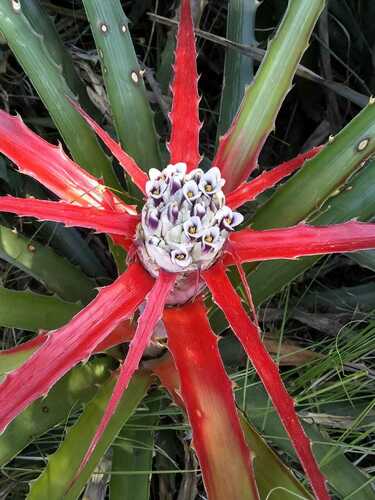
iNaturalist· cc-by-nc
(c) eneaschr, some rights reserved (CC BY-NC)
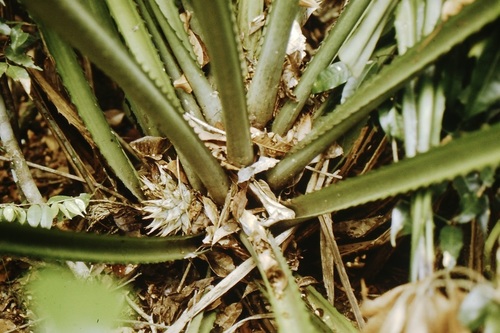
iNaturalist· cc-by-nc
(c) Diego Monsores, some rights reserved (CC BY-NC), uploaded by Diego Monsores
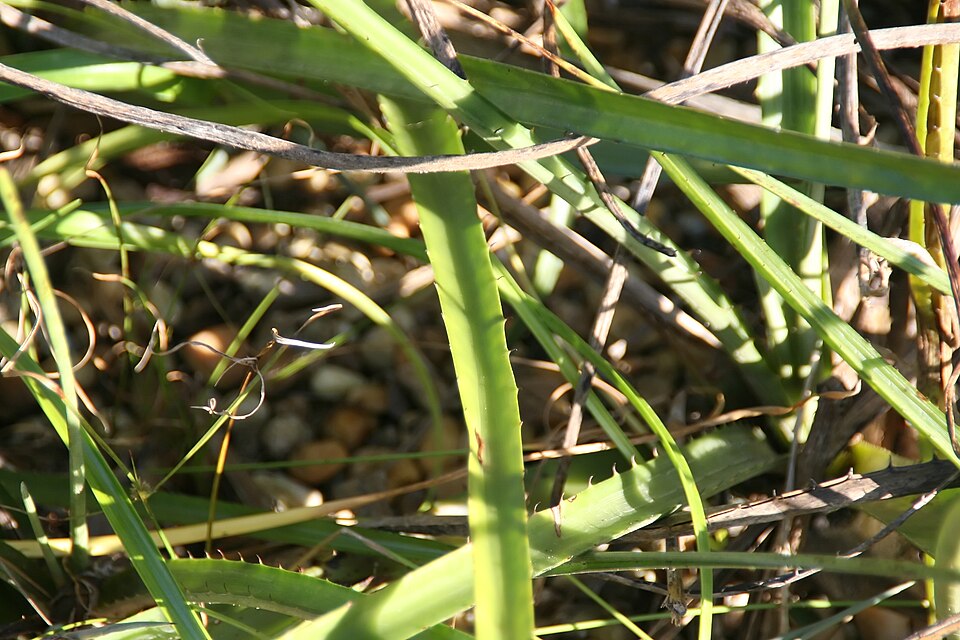
iNaturalist· cc-by-nc
(c) Pablo Vaz Canosa, some rights reserved (CC BY-NC), uploaded by Pablo Vaz Canosa
Summary
Source: WikipediaBromelia antiacantha is a plant species in the genus Bromelia. This species is native to Brazil and Uruguay.
Description
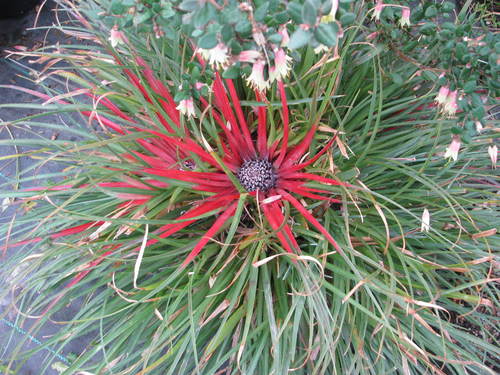
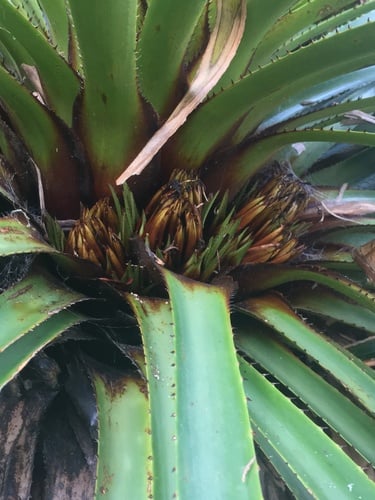
A small evergreen plant. It is almost without a stem. It forms a ring. It can be 2 m tall. The leaves are erect and have spines on the edges. They are 1 m long. The flowering stalk arises from the centre. It has 7 distinct flower bracts. The fruit are berries. They are 4-5 cm across. The have juicy flesh.
Edible Uses
The fruit can be eaten fresh and are commonly used to make jellies. The flowers are also edible.
Traditional Uses
The fruit can be eaten fresh. They are mostly used for jellies.
This uses section is brief — help expand it
Distribution
A tropical plant. It grows in coastal regions in forests and forest covered sand dunes in Brazil. It is best with a humus-rich, moist, well-drained soil. It is damaged by drought and frost.
Where It Grows
Australia, Brazil*, Peru, South America*, Uruguay,
Cultivation
Plants can be grown from seed or from sprouts near the base.
Propagation
Seed - Suckers.
Other Uses
The fibres from the leaves are used for cordage.
Notes
There are 47 Bromelia species.
Synonyms
Also Known As
Bananinha-do-mato, Caraguata
References (8)
- Bodkin, F., 1991, Encyclopedia Botanica. Cornstalk publishing, p 171
- Brack, P., et al, 2020, Frutas nativas do Rio Grande do Sul, Brasil: riqueza e potencial alimentício. Native fruits of Rio Grande do Sul, Brazil: richness and potential as food. Rodriguésia 71: e03102018.
- Kinupp, V. F., 2007, Plantas alimenticias nao-convencionais da regiao metropolitana de Porto Alegre, RS, Brazil p 70
- Kinupp, V. F. & Bergman, I., 2008, Protein and minerals of native species, potential vegetables and fruits. Cienc.Tecnol. Aliment. Vol. 28 No. 4 Campinas Oct/Dec.
- Lorenzi, H., Bacher, L., Lacerda, M. & Sartori, S., 2006, Brazilian Fruits & Cultivated Exotics. Sao Paulo, Instituto Plantarum de Estuados da Flora Ltda. p 99
Show all 8 references Hide references
- Mello, A. J. M., 2015, Cultural landscapes of the Araucaria Forests in the northern plateau of Santa Catarina, Brazil. Journal of Ethnobiology and Ethnomedicine 11:51
- Silva, S y H. Tassara.1996. Frutas no Brasil. Empresa das Artes. São Paulo
- www.colecionandofrutas.org