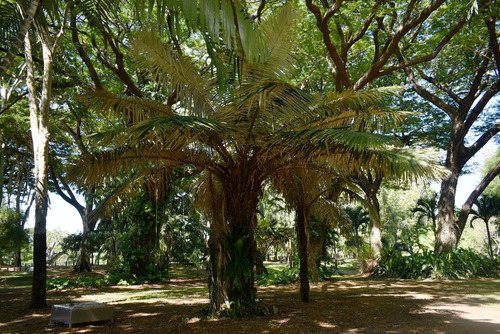
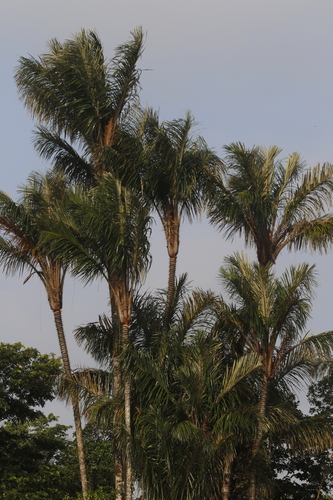
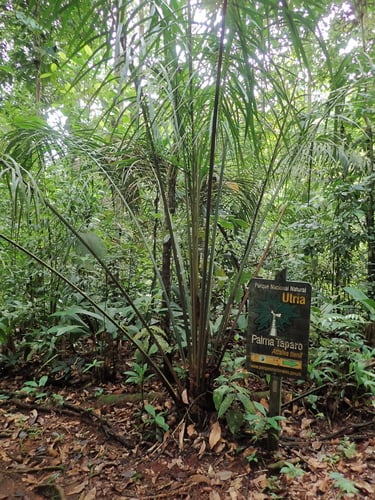
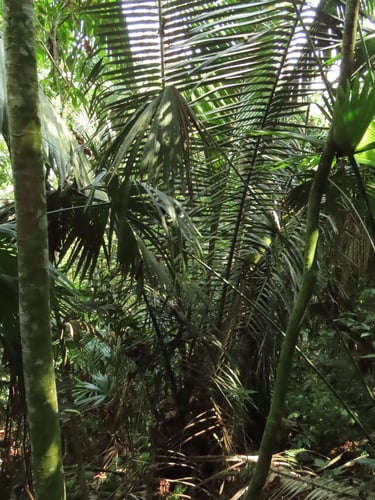
Chelyocarpus chuco
(Mart.) H. E. Moore
iNaturalist· cc-by-nc
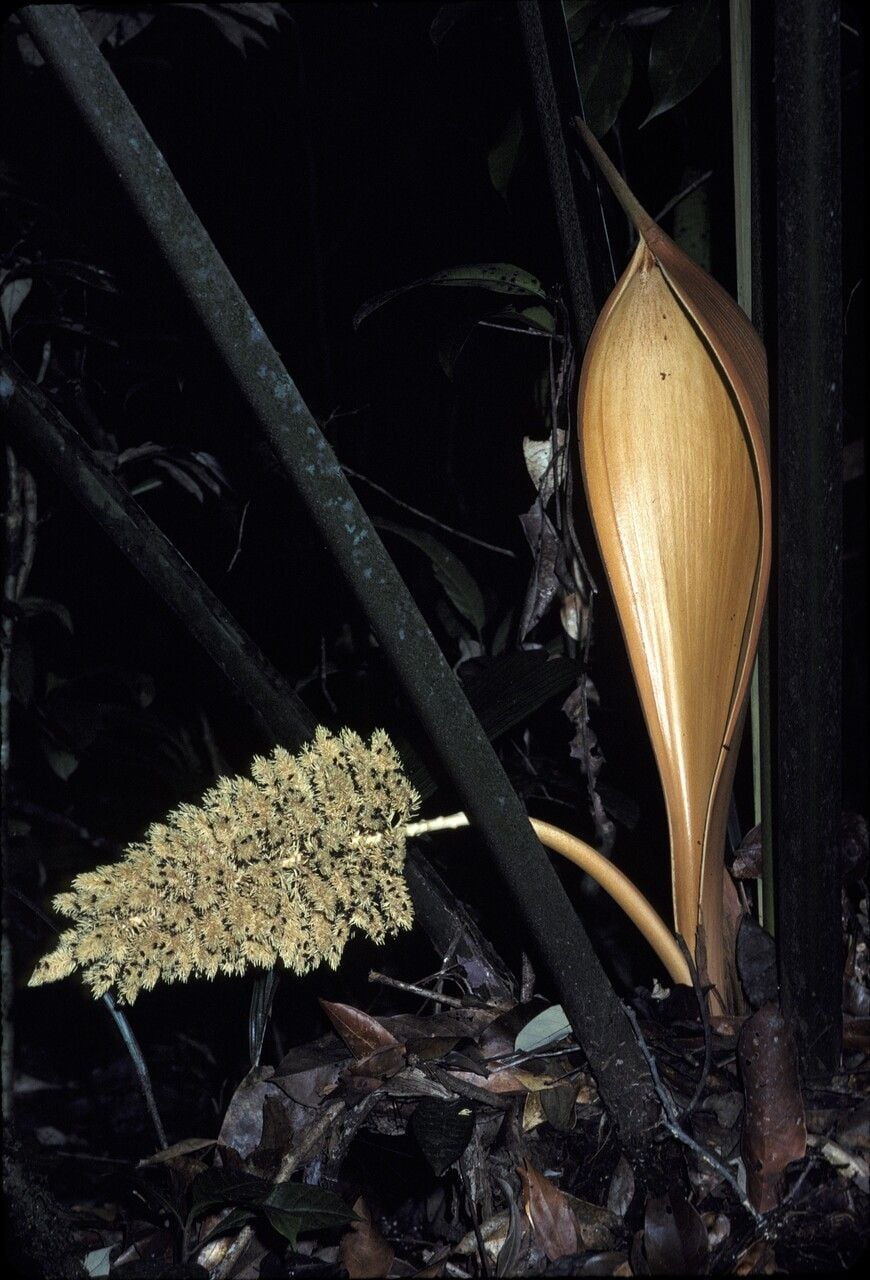
(c) Edson Guilherme, some rights reserved (CC BY-NC), uploaded by Edson Guilherme
iNaturalist· cc-by-nc
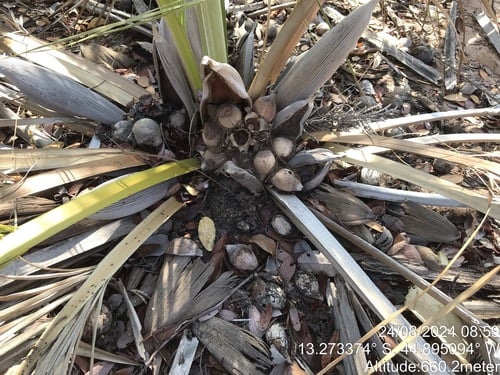
(c) Edson Guilherme, some rights reserved (CC BY-NC), uploaded by Edson Guilherme
iNaturalist· cc-by-nc
(c) Edson Guilherme, some rights reserved (CC BY-NC), uploaded by Edson Guilherme
Description
A tropical palm in the Arecaceae family.
This description is brief — help expand it
Edible Uses
The leaves of Chelyocarpus chuco are used for thatch and to weave hats. The woolly covering of the leaf sheaths of C. dianeurus are used to stuff pillows, and salt is extracted from the trunks of C. ulei.
Traditional Uses
The fruit is fermented to make an alcoholic drink. Caution: Alcohol is a cause of cancer.
This uses section is brief — help expand it
Known Hazards
Alcohol is a cause of cancer.
Distribution
It is a tropical plant
Where It Grows
Amazon, Bolivia, Brazil, Peru, South America,
Other Uses
The leaves are used for thatching and for weaving hats.
Synonyms
Also Known As
Caranai, Carnaubinha, Cawanaro, Chuco, Hoja redonda, Hoja rodonda
References (4)
- Grandtner, M. M. & Chevrette, J., 2013, Dictionary of Trees, Volume 2: South America: Nomenclature, Taxonomy and Ecology. Academic Press p 124
- Kermath, B. M., et al, 2014, Food Plants in the Americas: A survey of the domesticated, cultivated and wild plants used for Human food in North, Central and South America and the Caribbean. On line draft. p 210
- Marcia, M. J., et al, 2011, Palm Uses in Northwestern South America: A Quantitative Review. Bot. Rev. (2011) 77:462-570
- World Checklist of Useful Plant Species 2020. Royal Botanic Gardens, Kew