Plinia rivularis
(Cambess.) Rotman
Jaboticabarana, Guaburiti
iNaturalist· cc-by-nc
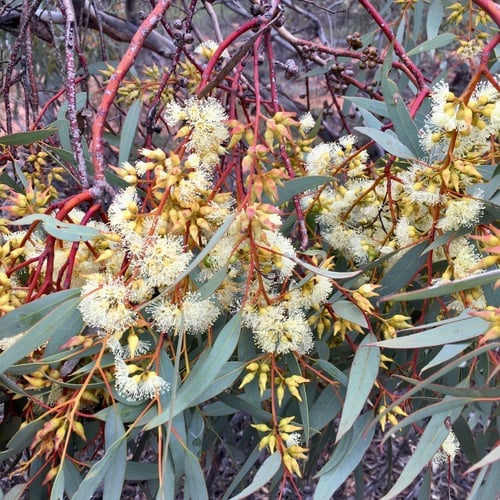
(c) Celina Gómez, some rights reserved (CC BY-NC)
iNaturalist· cc-by-nc
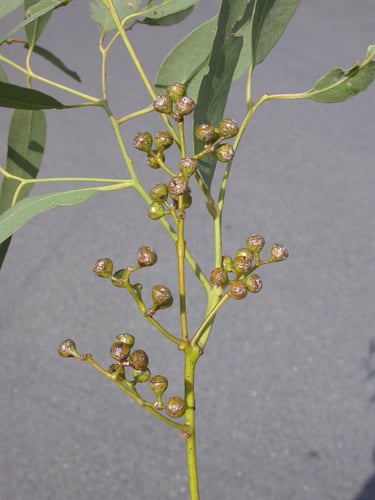
(c) ivanfedericoebrecht, some rights reserved (CC BY-NC)
iNaturalist· cc-by-nc
(c) Celina Gómez, some rights reserved (CC BY-NC)
Summary
Source: WikipediaPlinia rivularis, commonly known as yva poroity, jaboticabarana, jabúriti, guapuriti, cambucá peixoto, jabuticaba de cacho, or piuna is a species of plant in the family Myrtaceae.
Description
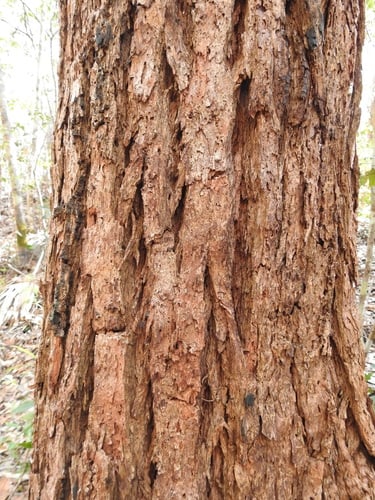
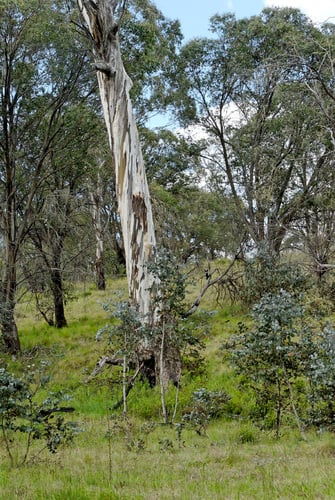
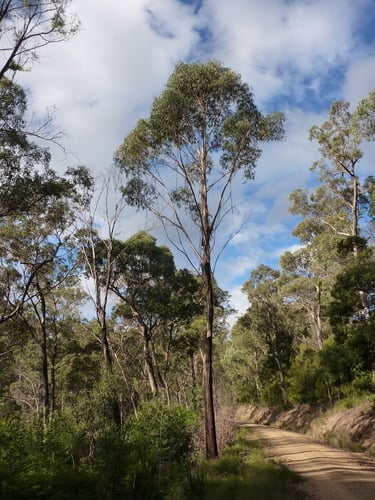
A tree. It grows 6-11 m high. The crown is round and dense. The young branches hang down. The trunk is short and branched. It is 25-40 cm across. The leaves are simple and opposite. They are 3-6 cm long by 1-2 cm wide. The leaf stalks are 6-10 mm long. The flowers are white and in groups in the axils of leaves. The fruit is round. It becomes orange or red when ripe. There are 1-2 seeds.
Edible Uses
Fruit - raw. The succulent pulp has a sweet, pleasant flavour. The globose, reddish-orange fruit is up to 2cm in diameter, containing one or two seeds.
Distribution
It is a tropical plant. It grows in mountain forest near the Atlantic in Brazil. In Argentina it grows from sea level to 1,500 m above sea level.
Where It Grows
Forests near the coast. Atlantic rainforest and higher elevation forests, mainly in the denser primary forest, favouring well-drained, deep, moderately fertile soils.
Cultivation
Succeeds in full sun to moderate shade. Found in the wild in deep, well-drained soils of moderate fertility. Established plants are drought tolerant. Young plants have a moderate rate of growth.
Propagation
Seed - best sown as soon as it is ripe in a partially shaded position in a nursery seedbed or in individual containers. A moderate germination rate can usually be expected, with the seed sprouting within 20 - 35 days.
Other Uses
The wood is fine-textured, cross-grained, heavy, hard, with moderate mechanical properties and not very durable when exposed to the elements. It can be used for small items such as laths and scantlings in general construction; for simple furniture making; tool handles, crates etc. The wood is used for fuel and to make charcoal. The tree has a moderate rate of growth, succeeds in full sun and provides food for humans and the native fauna. It can be used as a pioneer when restoring native woodland and can also be used when establishing a woodland garden.
Synonyms
Also Known As
Baporeti, Cambuca-peizoto, Guaboreti, Guaburiti, Guamirim, Guapuriti, Guaramirim, Ibapo-roity, Muitanemoni, Vaporit'i, Yva poroty
References (11)
- Brack, P., et al, 2020, Frutas nativas do Rio Grande do Sul, Brasil: riqueza e potencial alimentício. Native fruits of Rio Grande do Sul, Brazil: richness and potential as food. Rodriguésia 71: e03102018.
- Fouqué, A., 1972, Espèces fruitières d'Amérique tropicale. Institut français de recherches fruitierès outre-mer (As Myrciaria baporeti)
- Grandtner, M. M. & Chevrette, J., 2013, Dictionary of Trees, Volume 2: South America: Nomenclature, Taxonomy and Ecology. Academic Press p 515
- Kermath, B. M., et al, 2014, Food Plants in the Americas: A survey of the domesticated, cultivated and wild plants used for Human food in North, Central and South America and the Caribbean. On line draft. p 562 (As Myrciaria rivularis var. baporetii)
- Kinupp, V. F., 2007, Plantas alimenticias nao-convencionais da regiao metropolitana de Porto Alegre, RS, Brazil p 87
Show all 11 references Hide references
- Kujawska, M. & Luczaj, L., 2015, Wild Edible Plants Used by the Polish Community in Misiones, Argentina. Human Ecology 43:855-869
- Lorenzi, H., 2002, Brazilian Trees. A Guide to the Identification and Cultivation of Brazilian Native Trees. Vol. 02 Nova Odessa, SP, Instituto Plantarum p 279
- Lorenzi, H., Bacher, L., Lacerda, M. & Sartori, S., 2006, Brazilian Fruits & Cultivated Exotics. Sao Paulo, Instituto Plantarum de Estuados da Flora Ltda. p 234
- Ulian, T., et al, 2020, Unlocking plant resources to support food security and promote sustainable agriculture. Plants, People, Planet. 2020;2:421–445.
- Vignale, B., et al, 2016, Selección de frutales nativos en Uruguay. 19 Horticultura Argentina 35 (87): May.-Ago. 2016
- www.colecionandofrutas.org