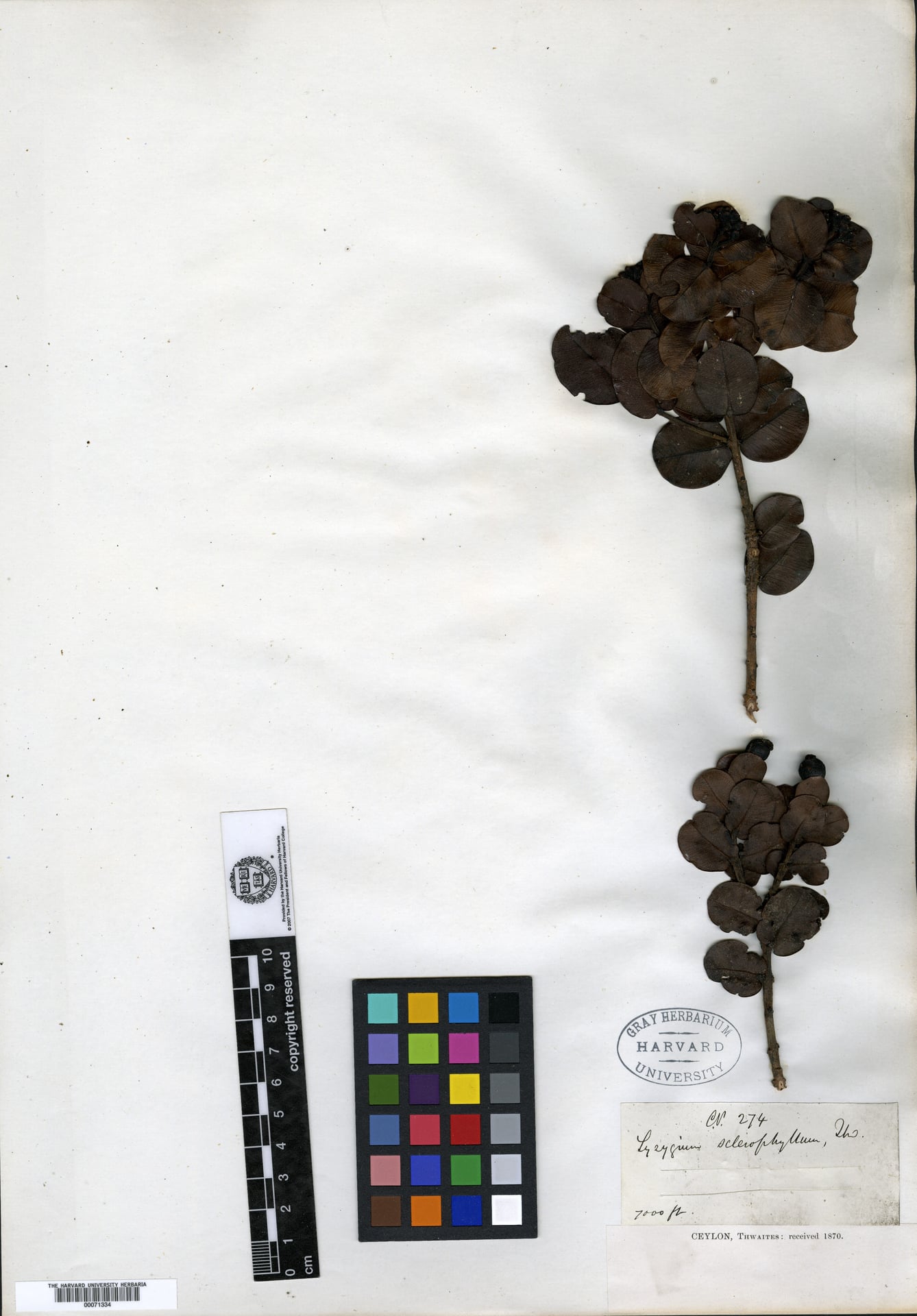
Gossia floribunda
(A.J. Scott) N. Snow & Guyner
Cape ironwood, Lignum
wikimedia· cc-by-sa
Wikimedia Commons - Poyt448, Peter Woodard
iNaturalist· cc-by-nc
(c) Adriaan Grobler, some rights reserved (CC BY-NC), uploaded by Adriaan Grobler
iNaturalist· cc-by-nc
(c) Adriaan Grobler, some rights reserved (CC BY-NC), uploaded by Adriaan Grobler
Summary
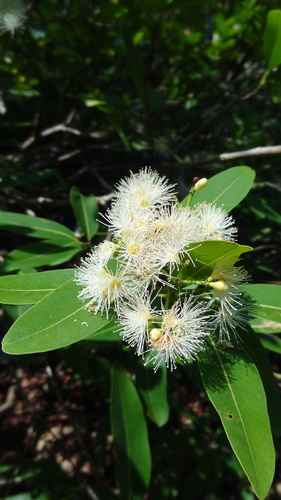
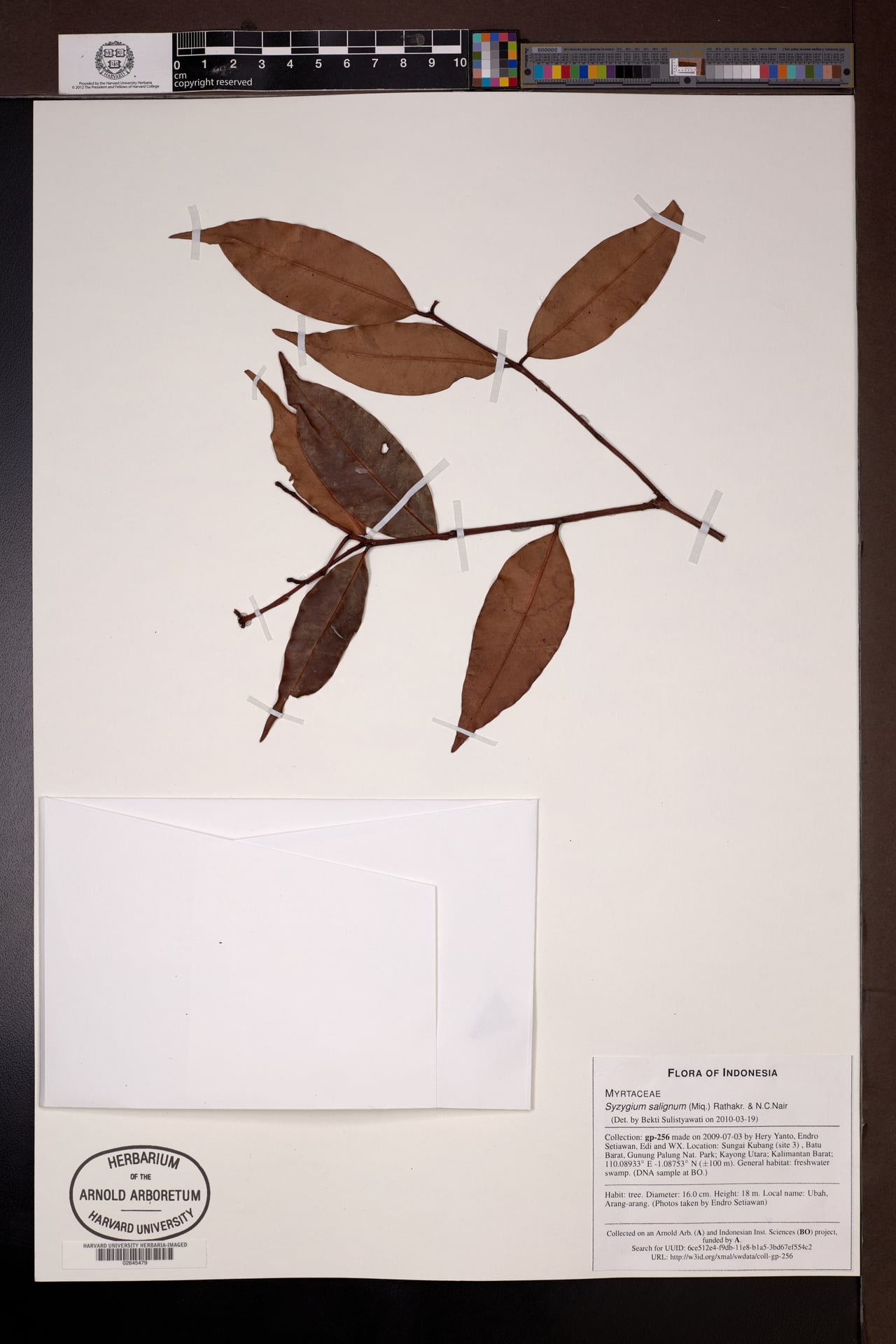
Source: WikipediaGossia floribunda or Cape ironwood species of plant in the Myrtaceae family. It is a understorey plant growing to a height of 1 to 6 m (3 ft 3 in to 19 ft 8 in). Found in Cape York Peninsula Australia and also in New Guinea. Small white flowers form in abundance. The species was first described as Backhousia floribunda in 1984 by Andrew John Scott. In 2003 Neil Snow, Gordon Guymer and G. Sawvel re-assigned to the genus, Gossia, to give its currently accepted name, Gossia floribunda.
Description
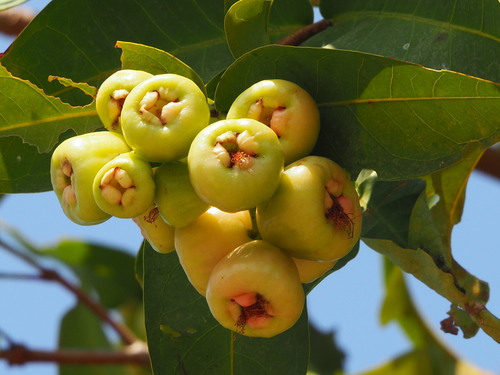
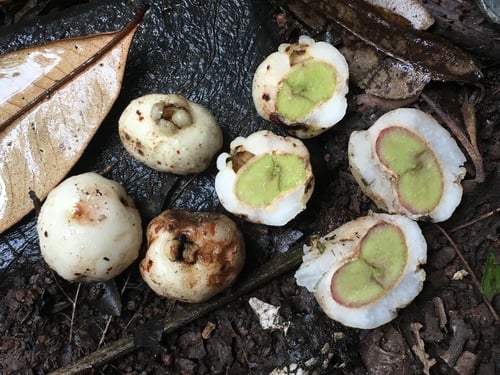
A small tree. The leaves are opposite and egg-shaped. The tip is drawn out. The midrib is raised on the upper surface. The leaf is about 5 cm long by 2 cm wide. The flowers are white or cream. They are small. There are 4-5 petals. They are borne in clusters in the axils of leaves. The fruit is purple black and fleshy. It is 0.6 cm across.
Edible Uses
The fruit are edible.
Distribution
A tropical plant. It grows in monsoon forest. It occurs in northern Cape York in Queensland in Australia.
Where It Grows
Australia*, Papua New Guinea, PNG,
Cultivation
Plants can be grown from seed.
Notes
There are 14 Austromyrtus species. They occur in Australia.
Synonyms
References (4)
- Cooper, W. and Cooper, W., 2004, Fruits of the Australian Tropical Rainforest. Nokomis Editions, Victoria, Australia. p 346
- Radke, P & A, Sankowsky, G & N., 1993, Growing Australian Tropical Plants. Frith & Frith, Australia. p 20 (As Austromyrtus floribunda)
- Smith, K & I., 1999, Grow your own bushfoods. New Holland. Australia. p 56 (As Austromyrtus floribunda)
- Townsend, K., 1994, Across the Top. Gardening with Australian Plants in the tropics. Society for Growing Australian Plants, Townsville Branch Inc. p 92 (As Austromyrtus floribunda)