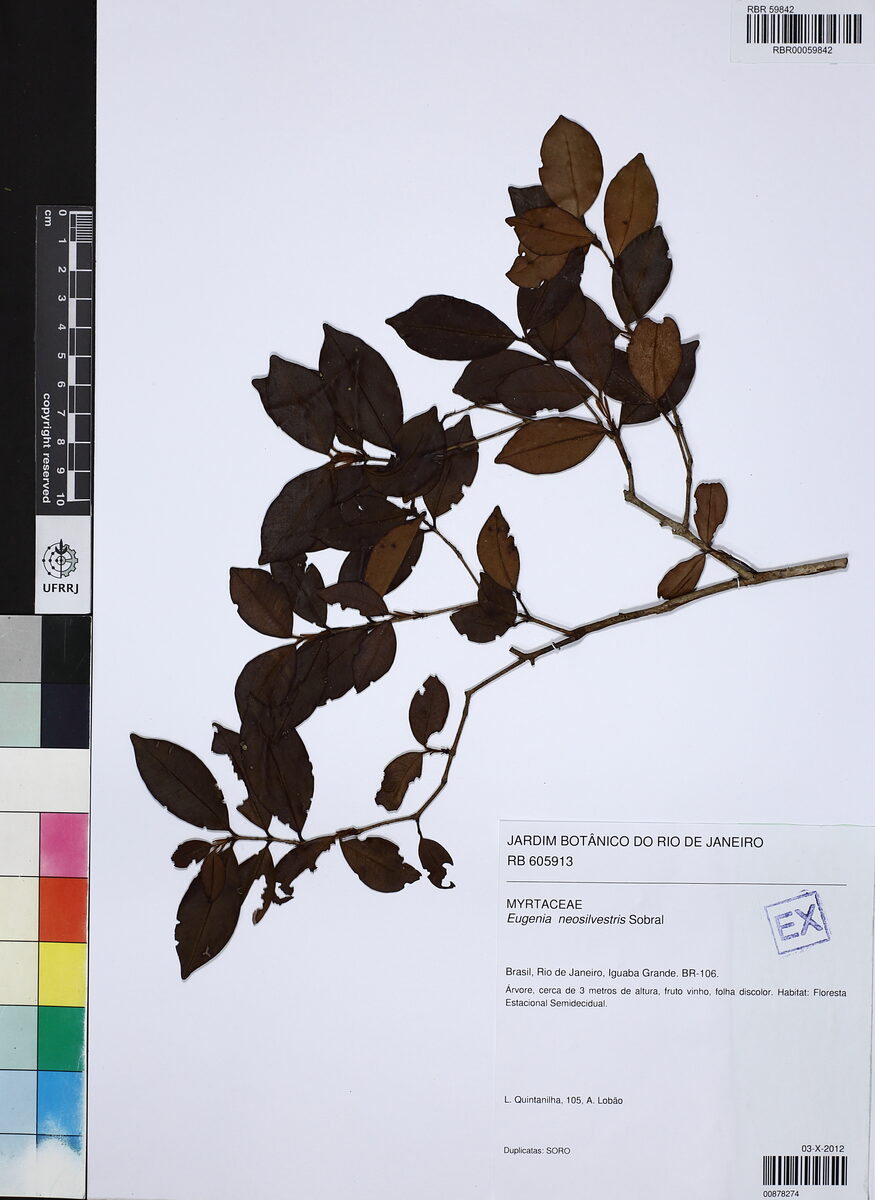
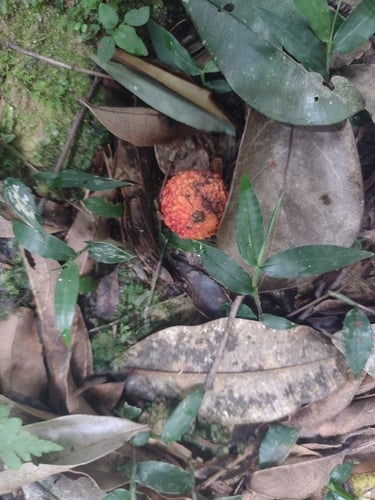
Campomanesia neriiflora
(O. Berg.) Nied
Guabiroba-branca
iNaturalist· cc-by-nc
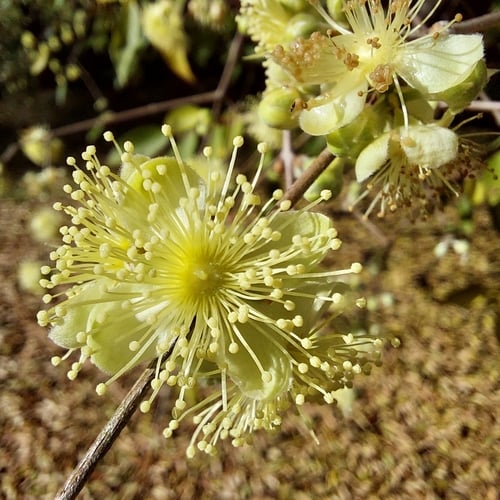
(c) ODAIR@, some rights reserved (CC BY-NC), uploaded by ODAIR@
iNaturalist· cc-by-nc
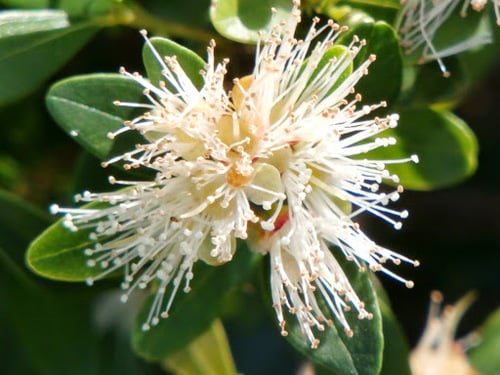
(c) pinets, some rights reserved (CC BY-NC)
Summary
Source: WikipediaCampomanesia neriiflora is a species of plant in the family Myrtaceae. It is endemic to Brazil. It is threatened by habitat loss.
Description
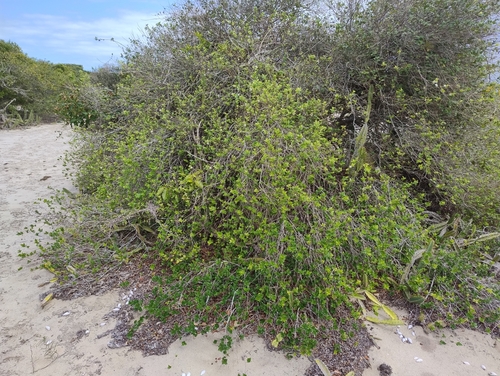
A tree. It grows 4-8 m high. The crown is dense and low. Young branches has a few hairs. The trunk has grooves. It is 15-25 cm across. The bark is brownish-red and has stripes along it. The leaves are simple. They are 6-12 cm long by 3-6 cm wide. The leaf stalks are 5-10 cm long. The flowers occur singly. They are large and in the axils of leaves. Flower stalks are 3-6 cm long. The fruit are round, blue-green berries. They have 8-18 seeds in a succulent pulp.
Edible Uses
Fruit - raw. A succulent, acidic pulp, with a few soft seeds. The bluish-green, globose fruit is about 25mm in diameter.
Traditional Uses
The fruit are eaten fresh.
This uses section is brief — help expand it
Distribution
It is a tropical plant. It grows in coastal forests near the Atlantic in Brazil.
Where It Grows
Brazil*, South America,
Cultivation
Plants are grown from seed. The ripe fruit are harvested and put in a plastic bag to allow them to soften. the seeds are removed and washed in a seive under running water. Fresh seed are planted. They germinate in 3-5 weeks.
Propagation
Seed - best sown as soon as it is ripe. Sow the seed in a semi-shaded position in a nursery seedbed. Germination rates are normally quite low, with the seed sprouting in 3 - 5 weeks.
Other Uses
The medium-textured, straight-grained wood is heavy, hard, compact, but very susceptible to rot. Because of its small dimensions it is only used locally for items such as tool handles and general carpentry[420. The wood is used for fuel and for making charcoal.
Production
Plants grow at a moderate rate.
Notes
There are at least 11 Campomanesia species.
Synonyms
References (4)
- Grandtner, M. M. & Chevrette, J., 2013, Dictionary of Trees, Volume 2: South America: Nomenclature, Taxonomy and Ecology. Academic Press p 96
- Lorenzi, H., 2002, Brazilian Trees. A Guide to the Identification and Cultivation of Brazilian Native Trees. Vol. 02 Nova Odessa, SP, Instituto Plantarum p 265
- Lorenzi, H., Bacher, L., Lacerda, M. & Sartori, S., 2006, Brazilian Fruits & Cultivated Exotics. Sao Paulo, Instituto Plantarum de Estuados da Flora Ltda. p 184
- www.colecionandofrutas.org