Syzygium forte subsp. potamophilium
(F. Muell.) B. Hyland, Hyland
White apple, Flaky-barked satinash
iNaturalist· cc-by-sa
(c) Steve Fitzgerald, some rights reserved (CC BY-SA), uploaded by Steve Fitzgerald
iNaturalist· cc-by-sa
(c) Steve Fitzgerald, some rights reserved (CC BY-SA), uploaded by Steve Fitzgerald
iNaturalist· cc-by-nc
(c) Allan Lugg, some rights reserved (CC BY-NC), uploaded by Allan Lugg
Summary
Source: WikipediaSyzygium forte, commonly known as flaky-barked satinash, white apple or brown satinash, is a tree in the family Myrtaceae native to New Guinea and northern Australia. It was first described in 1865 and is classified as least concern. The fruit are edible, and it is used as a landscaping tree for streets and parks.
Description
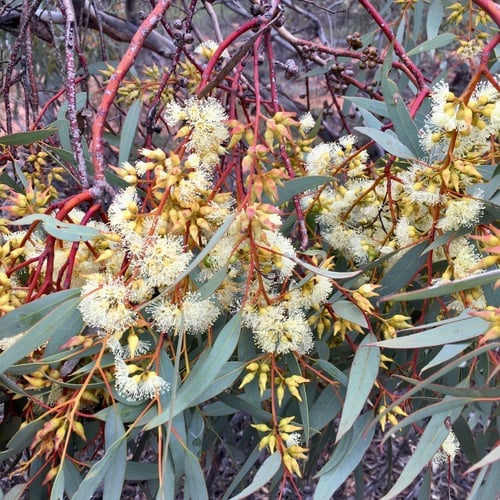
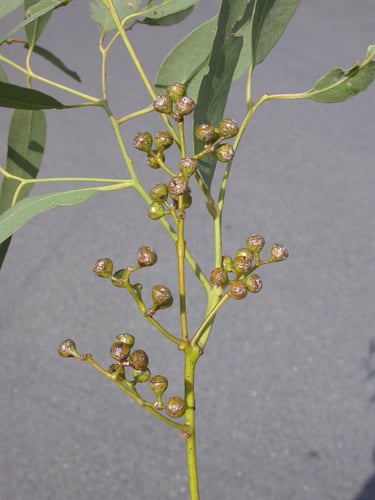
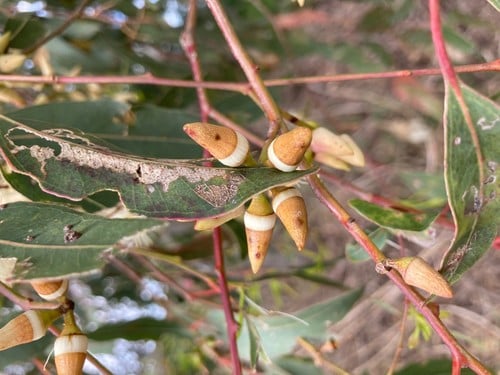
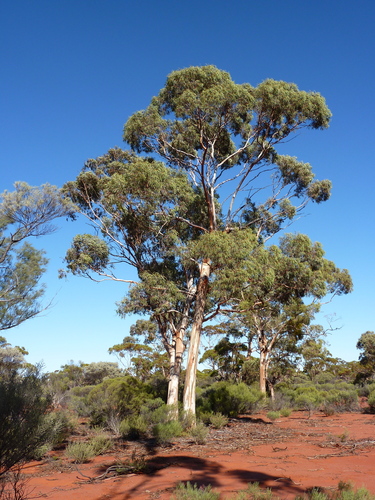
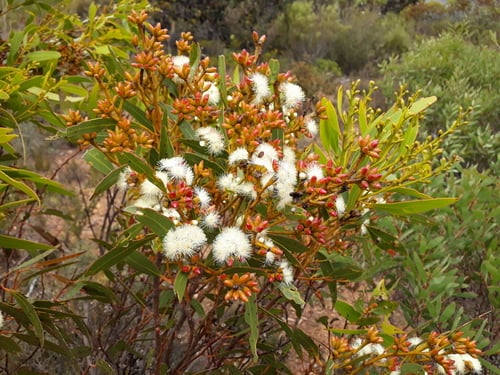
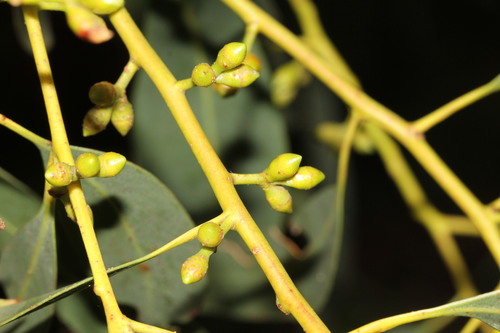
A large tree up to 30 m tall. It has a spreading crown of leaves. The bark is papery and flaky. It is grey with brown to reddish streaks. The leaves are simple and produced opposite one another. They are thick and leathery and taper towards the tip. Leaves are 8-13 cm long by 3-6 cm wide. They are dark grey-green above and dull underneath. The flowers are white and 2 cm across. They occur inside the crown of the tree but on the ends of small branches. Thick clumps of flowers occur together. The fruit are about 3-5 cm across. They are green but turn white when ripe. The fruit have one seed inside. The fruit are edible.
Edible Uses
The ripe fruit are eaten raw.
Traditional Uses
The fruit are eaten raw.
This uses section is brief — help expand it
Distribution
It is a tropical plant. It occurs in northern Australia. Plants grow along the banks of freshwater streams. They grow on a range of soils. The ripe fruit float in water and this helps them to spread.
Where It Grows
Asia, Australia*, SE Asia, Singapore,
Cultivation
It can be grown from fresh seed.
Production
Flowering occurs September to January and fruit are ripe January to February.
References (8)
- Barwick, M., 2004, Tropical and Subtropical Trees. A Worldwide Encyclopedic Guide. Thames and Hudson p 392
- Brock, J., 1993, Native Plants of Northern Australia, Reed. p 308
- Cherikoff V. & Isaacs, J., The Bush Food Handbook. How to gather, grow, process and cook Australian Wild Foods. Ti Tree Press, Australia p 201
- Cooper, W. and Cooper, W., 2004, Fruits of the Australian Tropical Rainforest. Nokomis Editions, Victoria, Australia. p 363
- Lazarides, M. & Hince, B., 1993, Handbook of Economic Plants of Australia, CSIRO. p 233
Show all 8 references Hide references
- Paczkowska, G . & Chapman, A.R., 2000, The Western Australian Flora. A Descriptive Calatogue. Western Australian Herbarium. p 403
- Townsend, K., 1994, Across the Top. Gardening with Australian Plants in the tropics. Society for Growing Australian Plants, Townsville Branch Inc. p 346
- Wightman, G. & Brown, J., 1994, Jawoyn Plant Identikit, Common Useful Plants in the Katherine Area of Northern Australia. Conservation Commission Northern Territory. p 33