Nectandra nitidula
Nees
Canela
Description
A tree. It grows 4-8 m high. It can be a shrub. The crown is irregular and sparse. The trunk is 20-30 cm across. The leaves are simple and alternate They are 6-12 cm long by 2-5 cm wide. The flowers are in a group near the ends of the branches. The fruit is an oval berry.
Edible Uses
The bark is used for tea.
Traditional Uses
The bark is used for tea.
This uses section is brief — help expand it
Distribution
It is a tropical plant. In Brazil it grows between 800 and 1,300 m altitude.
Where It Grows
Brazil*, South America,
Cultivation
Plants can be grown from seed. The ripe fruit are harvested and put in a plastic bag to soften then the seed removed. The fresh seeds are planted and germinate in 40-50 days. The seedlings can be transplanted into the field after 5-6 months.
Propagation
Seed - best sown as soon as it is ripe in a sunny position in a nursery seedbed. A germination rate of less than 50% can usually be expected, with the seed sprouting within 40 - 50 days. When the seedlings are 4 - 5cm tall, pot them up into individual containers and they should be ready to plant out 5 - 6 months later.
Other Uses
The wood is thick-textured, moderately heavy, hard, with good mechanical properties and durable. It is used in general construction for purposes such as beams, scantlings and boards; for light cabinet making, lathe work and external applications such as poles, stakes, railway sleepers (of second quality) etc.
Production
Plants reach 1.5 m high in 2 years.
Synonyms
Also Known As
Canela-amarela, Canela-do-mato, Canela-da-mata-ciliar, Canela-do-corrego
References (2)
- Grandtner, M. M. & Chevrette, J., 2013, Dictionary of Trees, Volume 2: South America: Nomenclature, Taxonomy and Ecology. Academic Press p 479
- Lorenzi, H., 2002, Brazilian Trees. A Guide to the Identification and Cultivation of Brazilian Native Trees. Vol. 02 Nova Odessa, SP, Instituto Plantarum p 145
More from Lauraceae
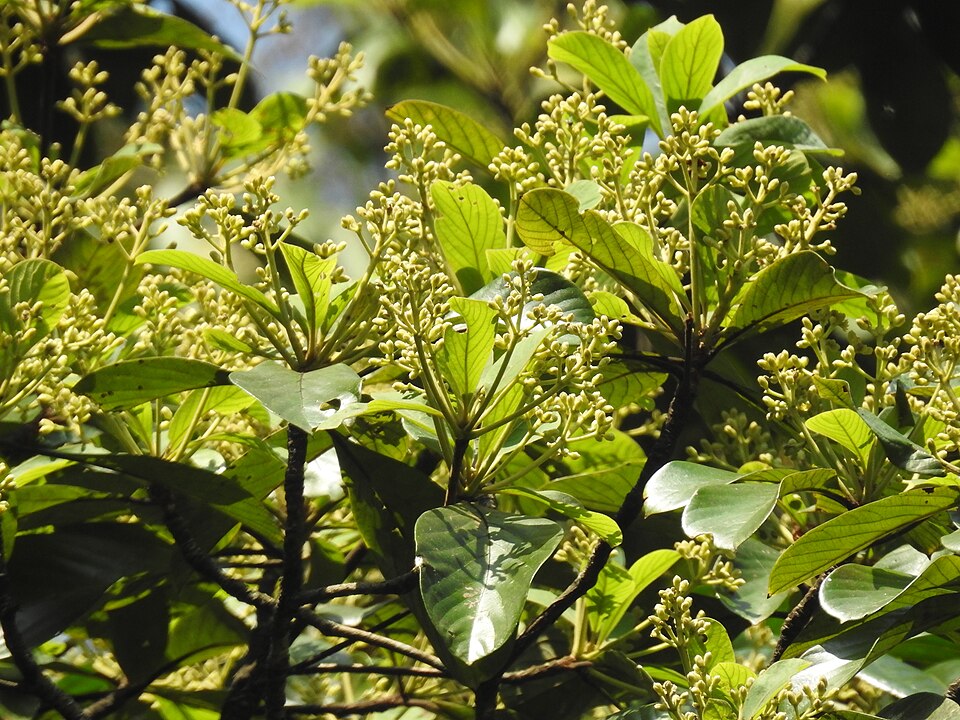
Phoebe cooperiana
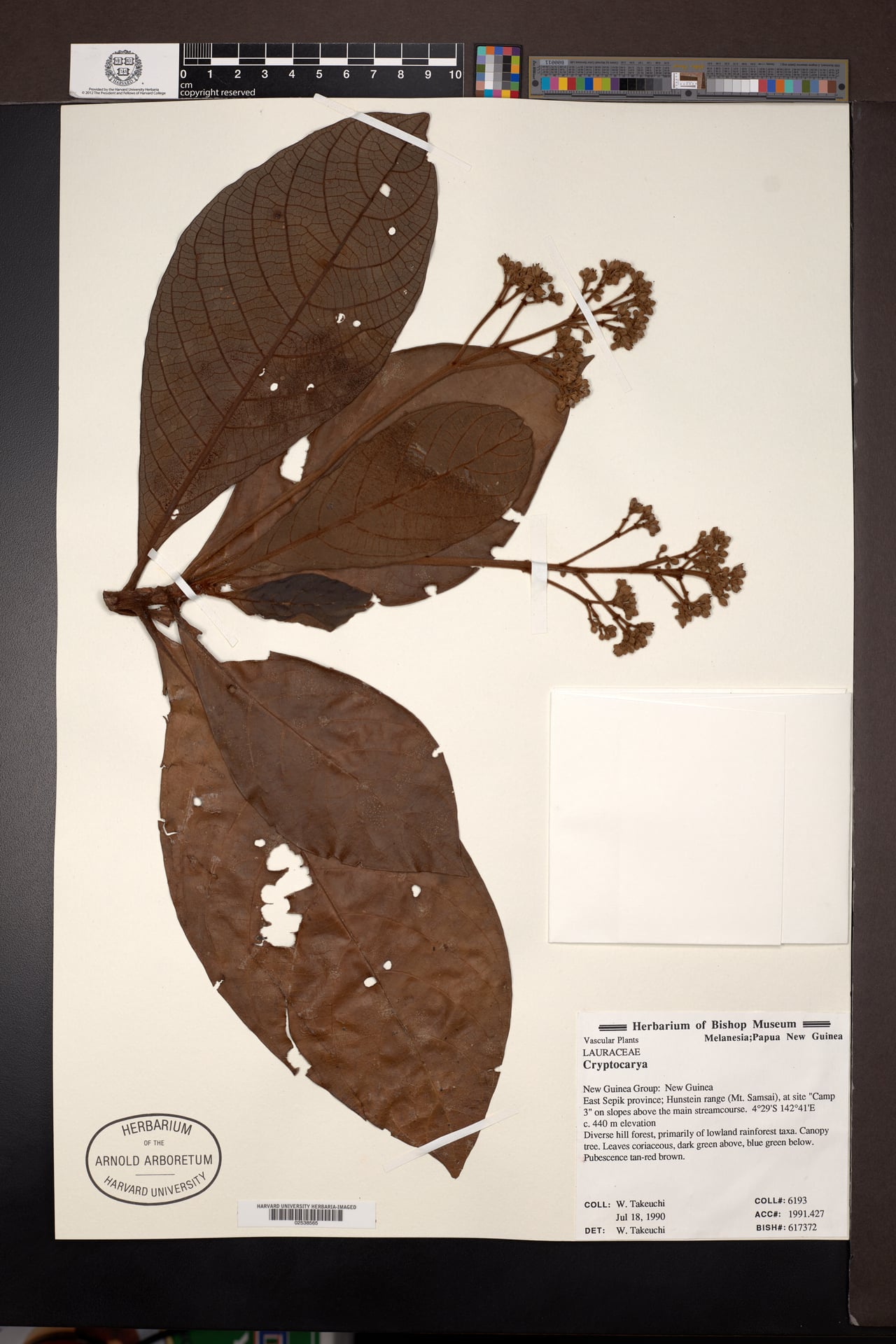
Phoebe forbesii
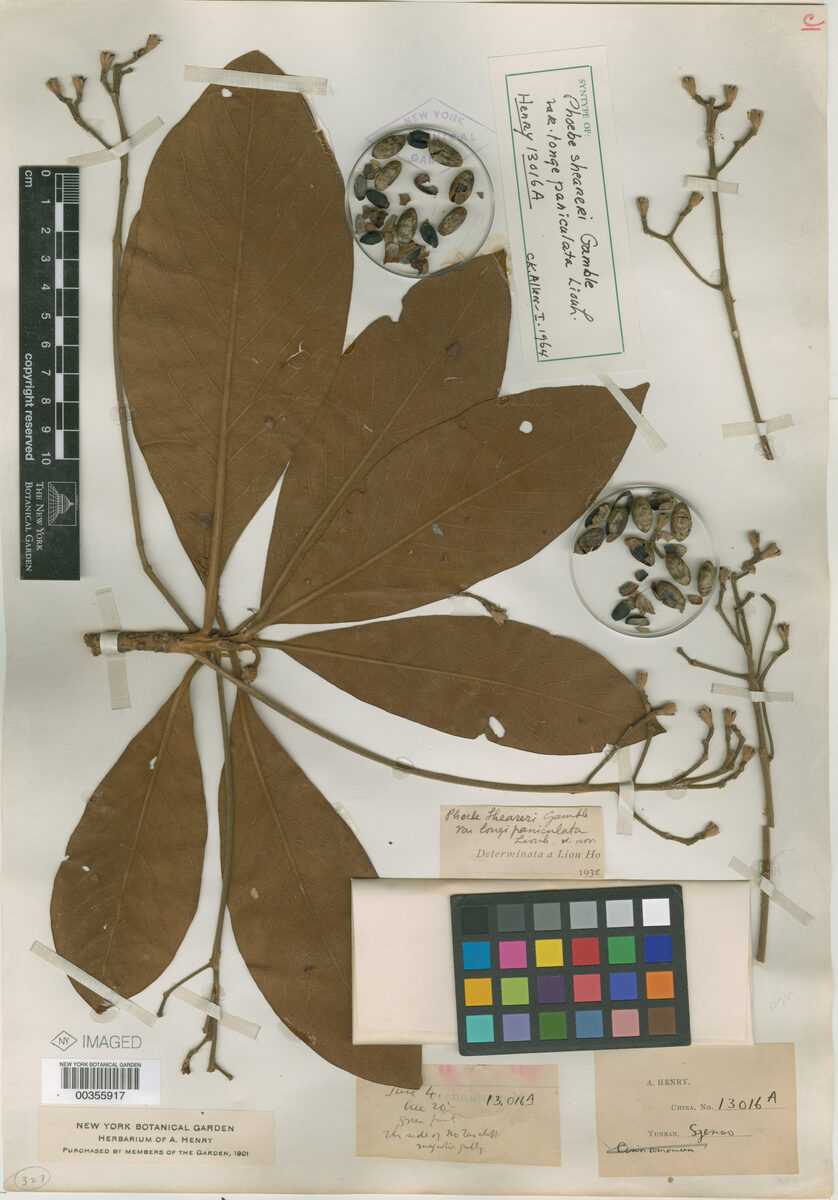
Phoebe puwenensis
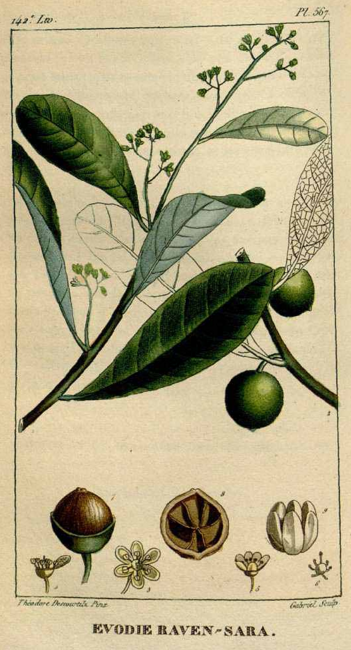
Ravensara aromatica
Madagascar Clove Nutmeg
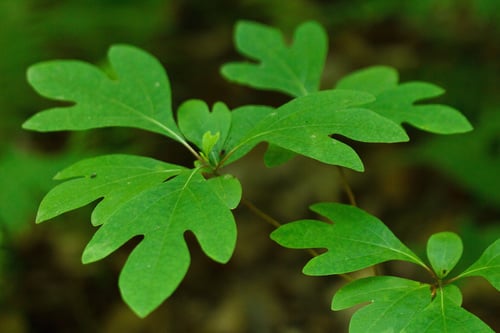
Sassafras albidum
American sassafras, Fennel Wood, Ague tree
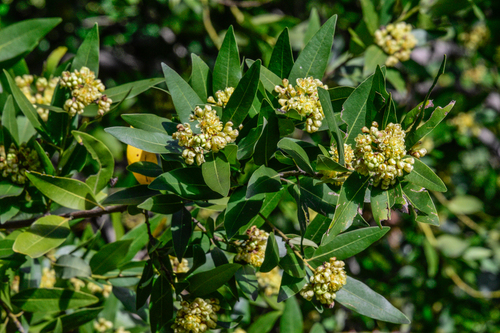
Umbellularia californica
California laurel, Californian Bay Tree, Pepper-nut, Headache Tree, Balm of heaven, Cajeput tree, Californian olive, Mountain laurel, Sassafras laurel, Spice bush, California nutmeg