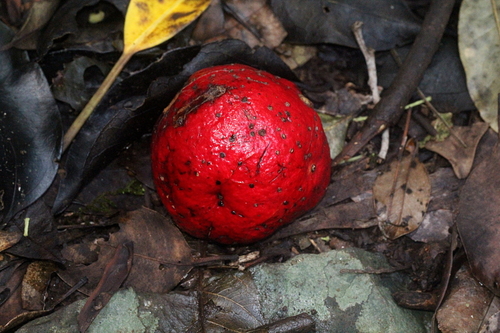
Litsea salicifolia
(Nees) Hook.f.
gbif· cc-by-nc
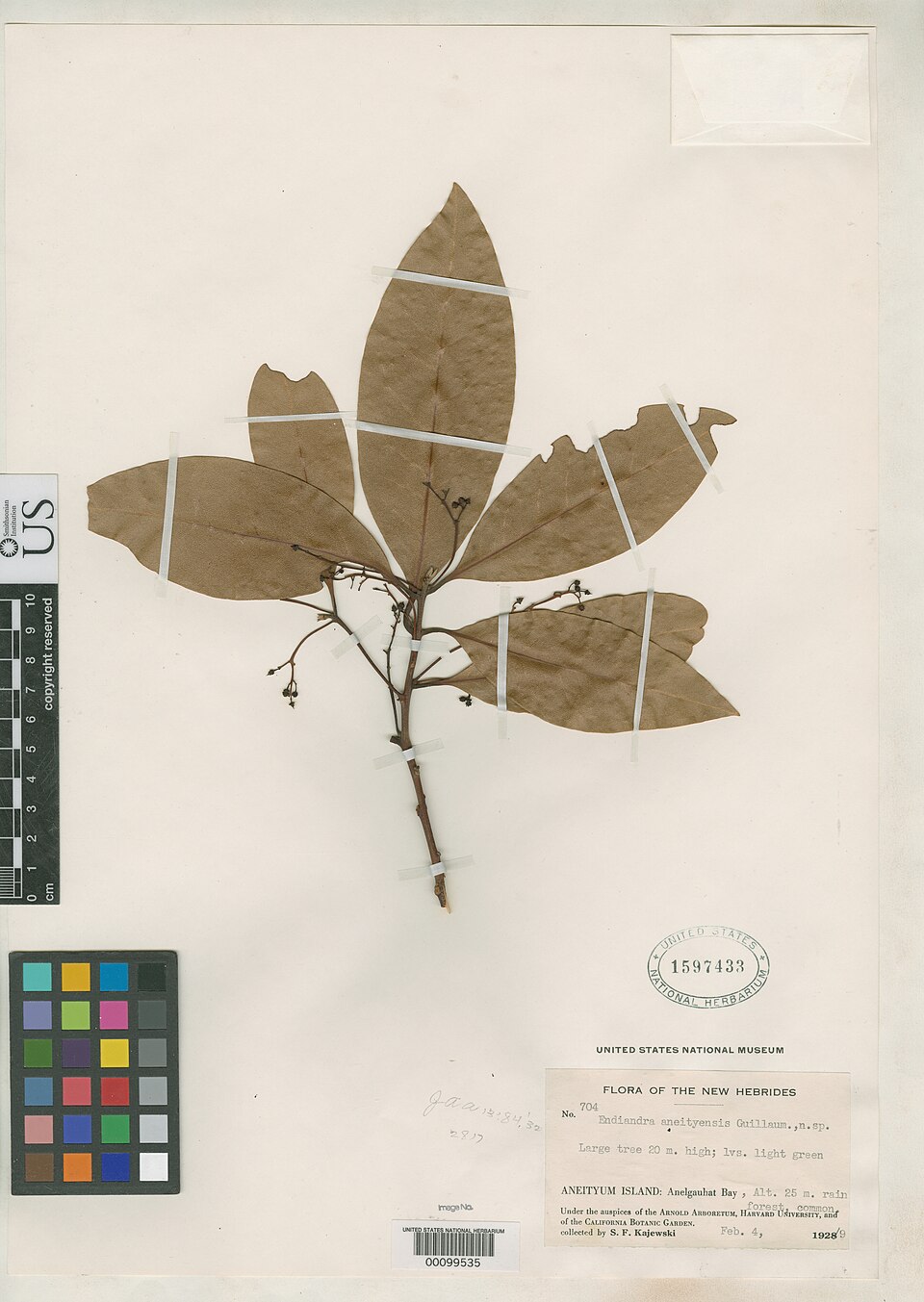
University of Vermont
gbif· cc0
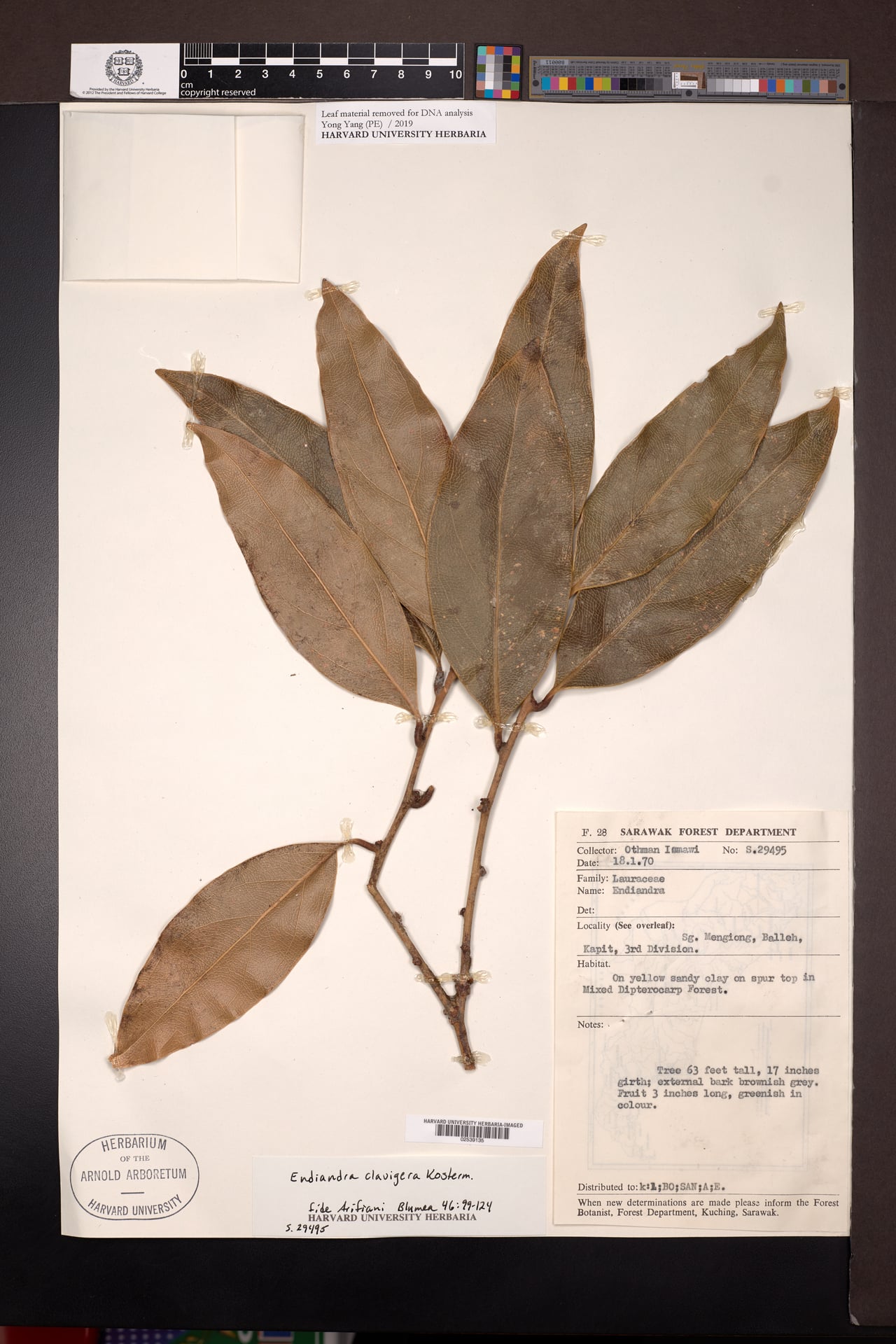
Royal Botanic Garden Edinburgh
gbif· cc0
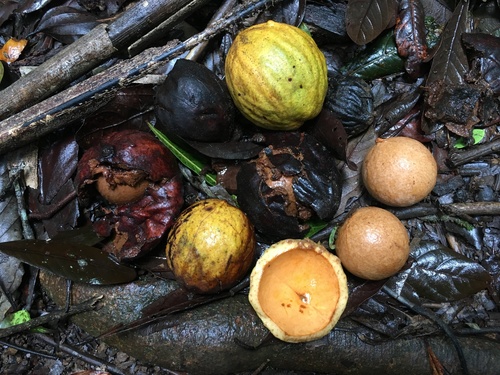
Royal Botanic Garden Edinburgh
Description
An evergreen shrub or tree. It can grow up to 10 m tall. The leaves are alternate and 9-19 cm long by 3-6 cm wide. The fruit are oblong and 10-11 mm long by 5-6 mm wide.
Edible Uses
The ripe fruits are eaten; they are tasty and pungent.
Traditional Uses
The ripe fruit are eaten. They are tasty and pungent.
This uses section is brief — help expand it
Distribution
It is a subtropical plant. It grows in sparse forests in valleys between 300-1,200 m above sea level in southern China. In Yunnan.
Where It Grows
Asia, Bangladesh, Bhutan, China, Himalayas, India, Myanmar, Nepal, Northeastern India, SE Asia, Vietnam,
Production
In southern China plants flower in April to May and fruit June to September.
Also Known As
Ching-ling, Digloti, Dieng-lali, Hara, Ondon, Sampat, Senashelkung, Sanu-pahenle, Sging-lawi, Tagu-thien, Tanyik sangne, Taor
References (6)
- Ambasta, S.P. (Ed.), 2000, The Useful Plants of India. CSIR India. p 335
- Dobriyal, M. J. R. & Dobriyal, R., 2014, Non Wood Forest Produce an Option for Ethnic Food and Nutritional Security in India. Int. J. of Usuf. Mngt. 15(1):17-37
- Murtem, G. & Chaudhrey, P., 2016, An ethnobotanical note on wild edible plants of Upper Eastern Himalaya, India. Brazilian Journal of Biological Sciences, 2016, v. 3, no. 5, p. 63-81
- Singh, V. B., et al, (Ed.) Horticulture for Sustainable Income and Environmental Protection. Vol. 1 p 217
- Srivastava, R. C., 2010, Traditional knowledge of Nyishi (Daffla) tribe of Arunachal Pradesh. Indian Journal of Traditional Knowledge. 9(1):26-37
Show all 6 references Hide references
- Thothathri, K., & Pal, G.D., 1987, Further Contribution to the Ethnobotany of Subansiri District, Aranchal Pradesh. J. Econ. Tax. Bot. Vol. 10 No. 1 pp 149-157